Analyzing the Juicy Steak: A Deep Dive into a Culinary Delight
Introduction
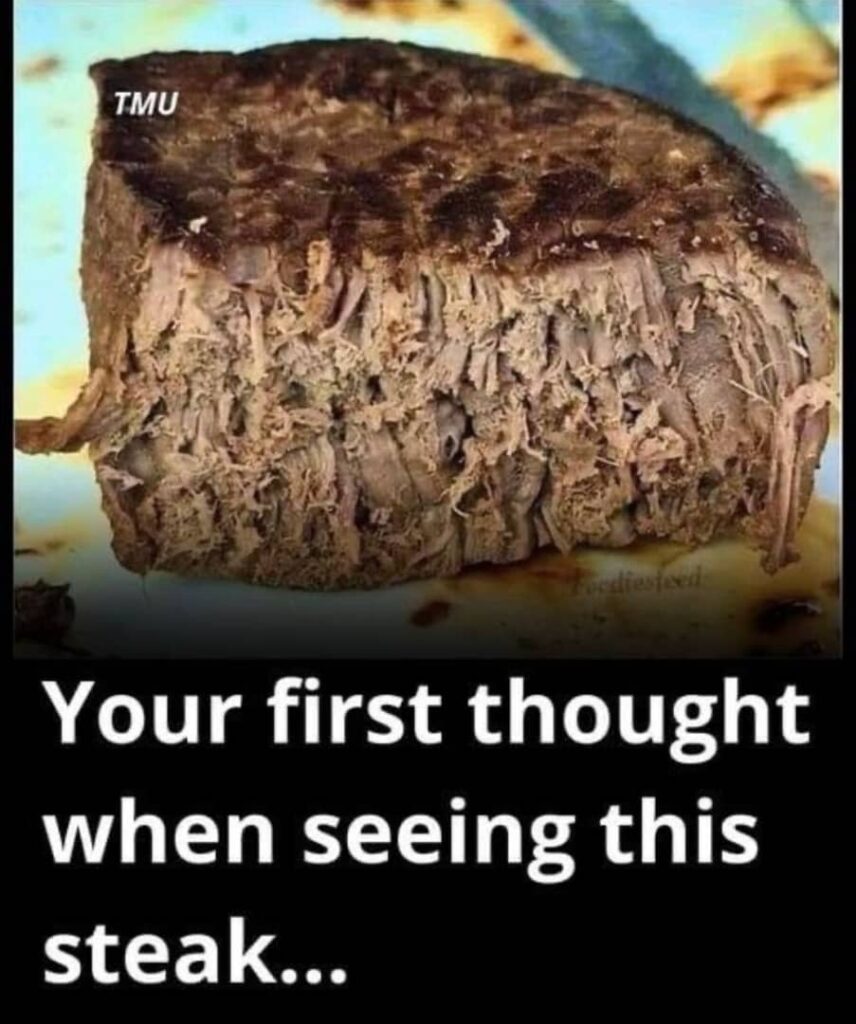
Steak has long been a symbol of culinary excellence, beloved for its rich flavors and tender texture. The image in question shows a thick cut of steak that immediately captures attention. Let’s delve into what makes a steak look so appealing and how such a dish can be prepared to perfection.
Visual Appeal
First Impressions
The steak in the image appears to be perfectly cooked, with a beautifully seared crust and a tender, juicy interior. This contrast between the exterior and interior textures is one of the key elements that make a steak visually appealing. The golden-brown crust indicates a successful sear, while the redness inside promises a succulent experience.
Marbling
The marbling, or intramuscular fat, within the steak is essential for flavor and tenderness. When cooked, this fat melts and bastes the meat from the inside, resulting in a juicy and flavorful bite. High-quality steaks often feature an even distribution of marbling, which is a hallmark of premium cuts like ribeye or wagyu.
Cooking Techniques
Searing
The searing process is crucial in steak preparation. It involves cooking the steak at a high temperature to develop a brown crust through the Maillard reaction. This reaction not only enhances the flavor but also gives the steak its attractive, caramelized appearance. Proper searing requires a very hot surface, such as a cast-iron skillet, and a short cooking time to avoid overcooking the interior.
Resting
Allowing the steak to rest after cooking is vital. This process helps redistribute the juices throughout the meat, ensuring each bite is succulent. The resting time allows the internal temperature of the steak to even out, making it more tender and flavorful. Resting for about 5 to 10 minutes under a loose tent of aluminum foil is typically recommended.
Flavor Enhancements
Seasoning
A well-seasoned steak can make all the difference. Simple seasonings like coarse salt and freshly ground black pepper are often enough to enhance the natural flavors of the meat. Some chefs prefer to add garlic, herbs, or even a pat of butter during the cooking process to impart additional layers of flavor.
Sauces and Accompaniments
Complementing a steak with the right sauce or accompaniment can elevate the dining experience. Classic sauces like béarnaise, peppercorn, or a rich red wine reduction can add depth to the steak’s flavor. Additionally, side dishes such as garlic mashed potatoes, sautéed vegetables, or a crisp salad can provide a balanced meal.
Cooking Methods
Grilling
Grilling is a popular method for cooking steak, imparting a smoky flavor that many steak lovers crave. Achieving the perfect grill marks adds to the visual appeal and ensures an even cook.
Sous Vide
The sous vide method involves cooking the steak in a vacuum-sealed bag in a temperature-controlled water bath. This technique ensures precise doneness and can be finished with a quick sear for the perfect crust.
Broiling
Broiling a steak in the oven is another effective technique. The intense heat from above cooks the steak quickly and can create a nicely charred crust while keeping the inside tender.
ALSO READ
The allure of a perfectly cooked steak lies in its combination of visual appeal, flavorful marbling, and expert cooking techniques. From the initial sear to the final resting period, every step in the process is crucial to achieving a delicious result. By mastering these elements, anyone can prepare a steak that is as impressive to the eyes as it is to the palate.
