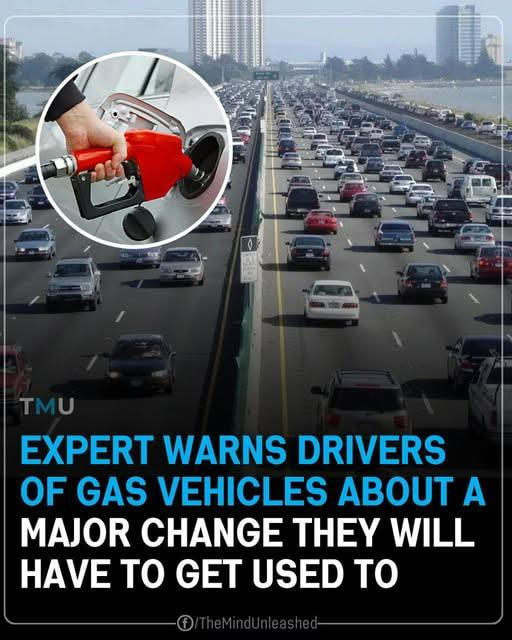
The clock is ticking for gas-powered vehicles in several countries. In the UK, a ban on the sale of new petrol and diesel cars by 2030 has been set, with hybrid sales following suit by 2035. Similarly, Canada is pushing for 100% electric vehicle (EV) sales by 2035. While the change might seem far off, experts say it’s time for gas-car drivers to start adapting.
Adapting to Automatic

One immediate adjustment? Learning to drive without a manual transmission. Since electric cars don’t require gear changes, future drivers will need to get comfortable with automatics. Stuart Masson of The Car Expert calls this transition “car industry 2.0,” emphasizing the need for drivers to embrace new driving experiences.
Though gas stations won’t disappear overnight, their numbers will gradually dwindle as EV charging networks expand. Experts predict a shift similar to what EV users have faced—planning longer journeys around charging stations, but for gas car drivers instead.
In Canada, automakers will need to increase EV offerings incrementally—targeting 20% by 2026, 60% by 2030, and fully phasing out gas models by 2035. However, existing gasoline vehicles will remain on the roads for years after these deadlines.
As gas stations become less common, drivers will need to pre-plan their refueling stops. Masson likens it to the early days of EVs, where careful route planning was essential. “Eventually, it’ll flip,” he explains, with gas drivers needing to think ahead.
