
Hydrogen peroxide is a versatile household chemical. It’s safe when it contacts water or air and it’s an extremely effective cleaner. According to the Centers for Disease Control, it could kill mold spores, viruses, fungi, yeasts, bacteria, and more. [1] Chemically, it is water with an extra oxygen molecule. “The extra oxygen molecule oxidizes, which is how peroxide gets its power,” says Sarah Pickering Beers, MD. “This oxidation kills germs and bleaches color from porous surfaces like fabrics.”
This simple chemical can be so helpful in cleaning cookware, sinks, laundry, toothbrushes and so much more. Below, we will look at 13 uses for hydrogen peroxide that you may not be aware of.
Wash fresh produce
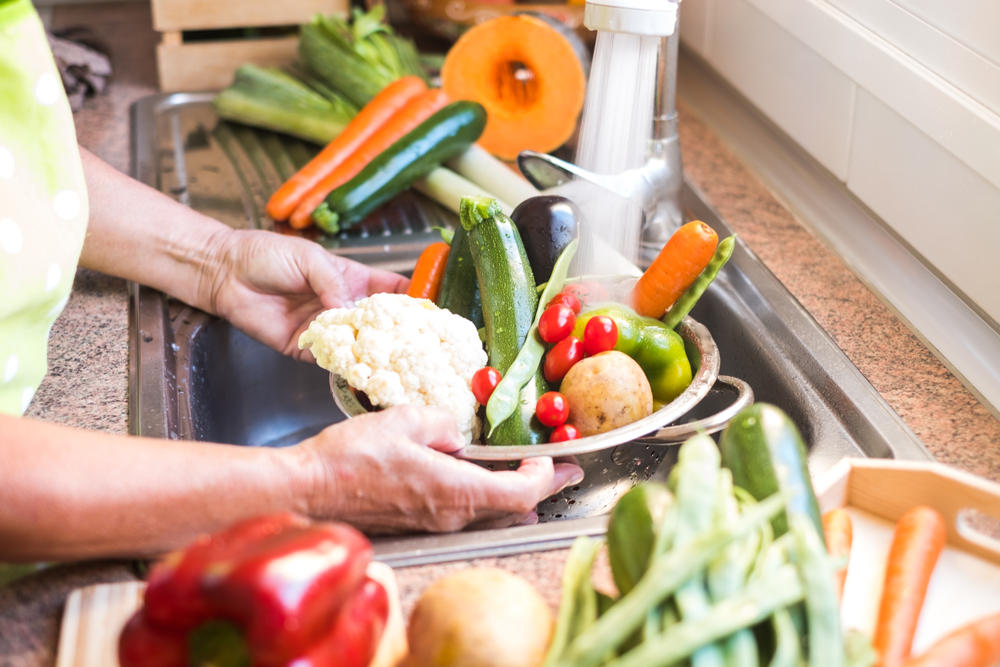
This could be especially helpful for cleaning bacteria from organic vegetables. Mix ¼ cup of 3% peroxide per gallon of water. For delicate vegetables like lettuce, soak them in this mixture for 20 minutes before rinsing them. However, for thick-skinned vegetables like potatoes and carrots, soak them for 30 minutes before rinsing and drying them. This may extend the food’s shelf life because it could remove bacteria that cause the food to turn brown.
Removed caked-on messes on cookware
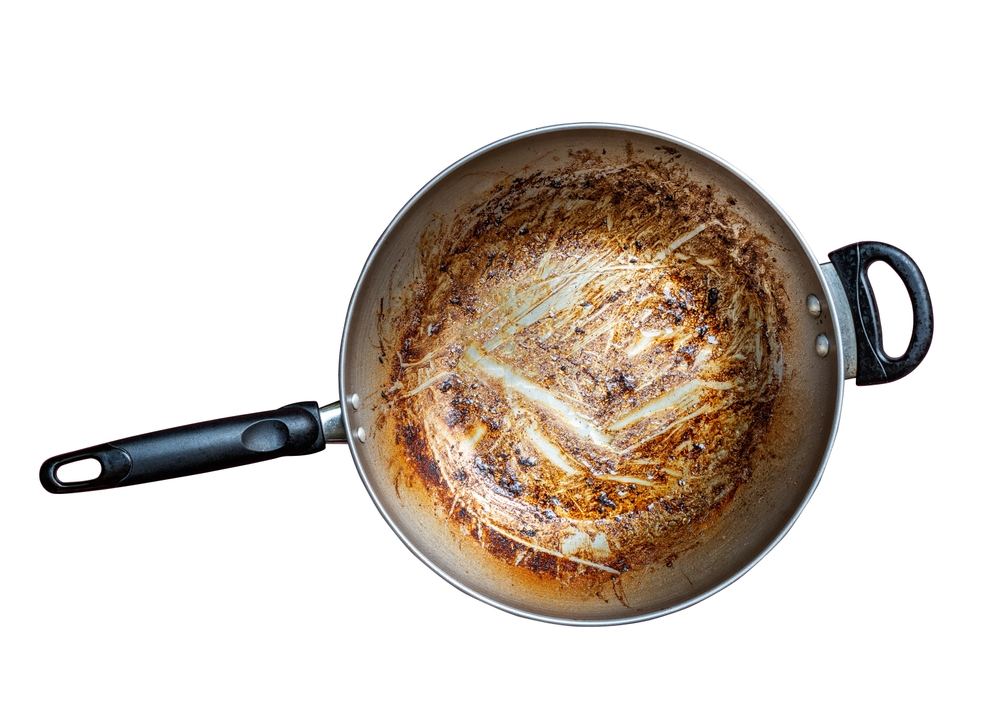
When soap and water just don’t cut it, spray the cookware with a 1:1 ratio mixture of water and hydrogen peroxide. Let them sit for a few hours before wiping off the mess.
Clean the dishwasher
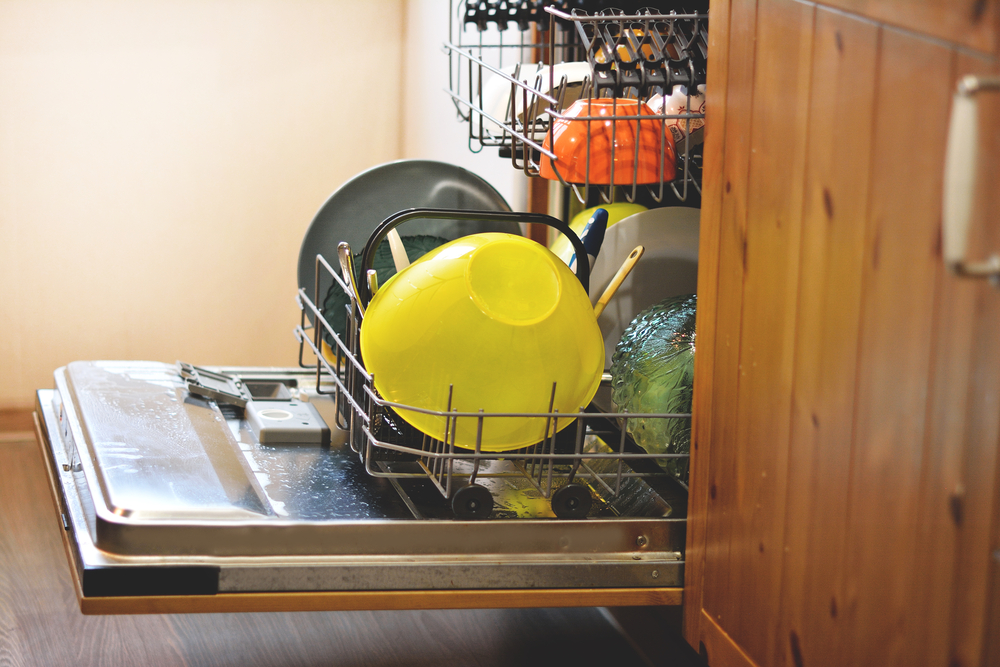
To clean off mildew and mold in the dishwater, spray hydrogen peroxide in places where moisture remains after the cycle. This includes the crevices of the cutlery basket and the pleats of the rubber seals.
