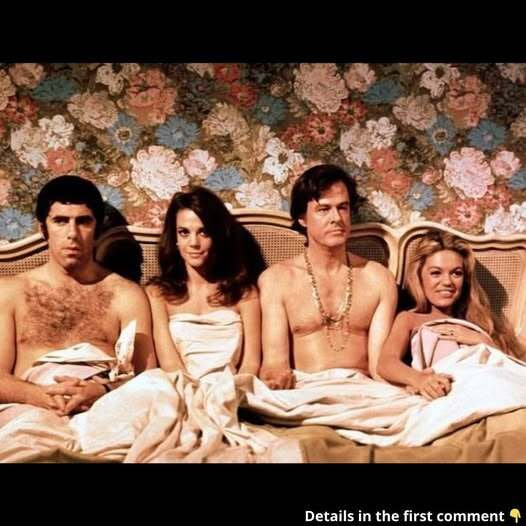
In 1969, Bob & Carol & Ted & Alice made its unforgettable debut, shaking up traditional ideas of marriage and relationships with its bold humor and unapologetic exploration of taboo topics.
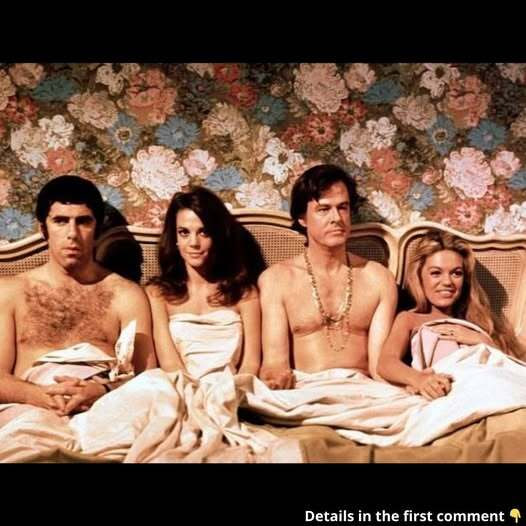
Directed by Paul Mazursky, this comedy-drama became a cultural lightning rod, challenging societal norms and sparking debates that remain relevant to this day. Let’s take a deep dive into the groundbreaking film that captured the spirit of a revolutionary era.
In 1969, Bob & Carol & Ted & Alice made its unforgettable debut, shaking up traditional ideas of marriage and relationships with its bold humor and unapologetic exploration of taboo topics.
Directed by Paul Mazursky, this comedy-drama became a cultural lightning rod, challenging societal norms and sparking debates that remain relevant to this day. Let’s take a deep dive into the groundbreaking film that captured the spirit of a revolutionary era.
At its core, Bob & Carol & Ted & Alice tells the story of two couples navigating the shifting dynamics of love and fidelity during the late 1960s. Bob and Carol attend a therapy retreat that opens their eyes to the concept of emotional transparency and open relationships. Inspired by this experience, they adopt a more “liberated” outlook, which leads to awkward and revealing moments with their more conventional friends, Ted and Alice.
The film masterfully blends satire and sincerity, poking fun at the absurdities of modern relationships while addressing deeply human emotions. At a time when traditional marriage was being reevaluated, Bob & Carol & Ted & Alice held up a mirror to society, showing us just how messy—and hilarious—love can be.
Paul Mazursky’s Inspiration: A Trip to Esalen
The inspiration for the film came from director Paul Mazursky’s visit to the Esalen Institute, a New Age therapy retreat in Big Sur, California. Immersed in the retreat’s group therapy sessions, Mazursky witnessed people grappling with intimacy and vulnerability in unconventional ways. These raw, unscripted interactions became the foundation of the film’s script, which struck a perfect balance between comedy and poignancy.
Mazursky’s ability to capture the absurdities of human behavior while maintaining a sense of empathy set Bob & Carol & Ted & Alice apart as a timeless exploration of love and connection.
A Cast That Brought Heart and Humor
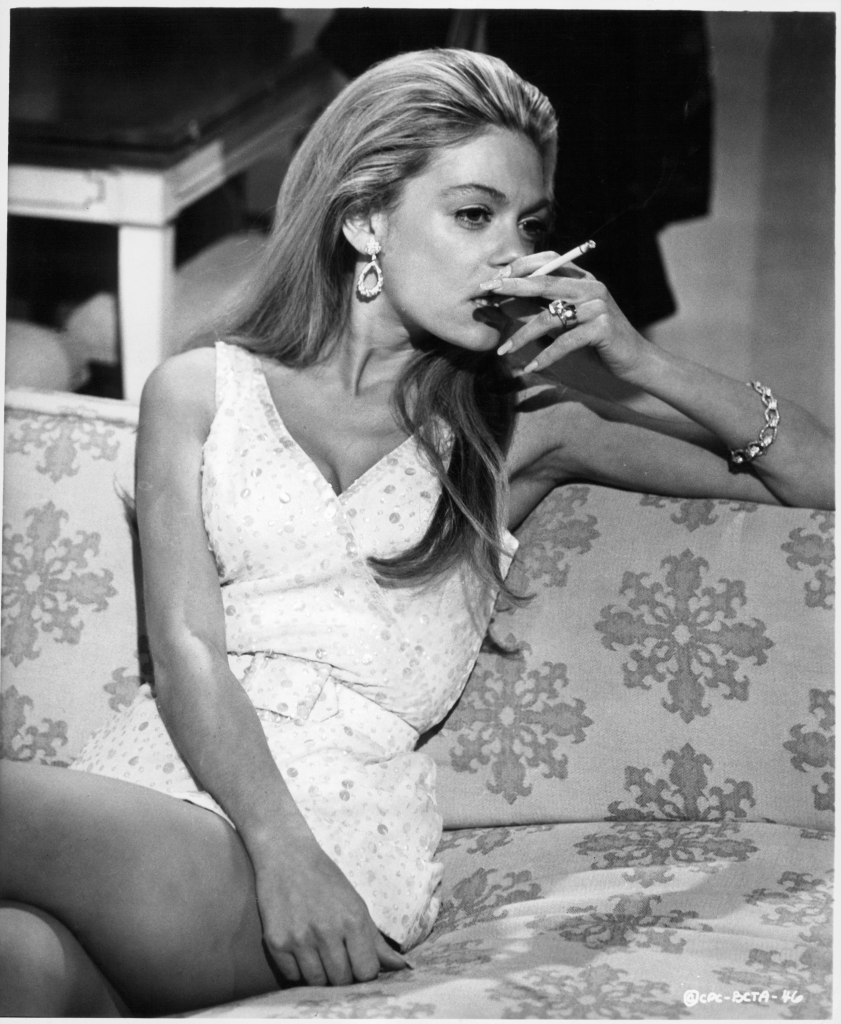
The film owes much of its success to its exceptional cast. Natalie Wood, a Hollywood icon, delivered a powerful performance as Carol, embodying grace, humor, and emotional depth. Wood, known for her elegance, also revealed a more playful side in this role, making even the most daring scenes feel relatable.
Dyan Cannon’s portrayal of Alice was equally captivating. Coming off a challenging period in her personal life, Cannon used this role to reintroduce herself to Hollywood. Her nuanced performance earned her critical acclaim and an Academy Award nomination, proving her range as an actress.
Robert Culp and Elliott Gould rounded out the cast as Bob and Ted, adding layers of humor and charm to the film. Gould’s comedic timing and relatability made him a standout, while Culp brought a confident, suave energy to the mix.
Behind-the-Scenes Chaos and Creativity
The making of Bob & Carol & Ted & Alice was as intriguing as the film itself. Paul Mazursky, directing his first feature, faced significant challenges on set. On the very first day of filming, he froze under the pressure of leading a large crew. Cinematographer Charles Lang stepped in, offering Mazursky guidance and helping him regain his confidence—a turning point for the rookie director.
The infamous bedroom scene, where all four characters share a bed, was largely improvised. Mazursky wanted the scene to feel authentic, so he gave the actors freedom to explore the awkwardness naturally. The result was a hilarious and honest depiction of modern relationships that remains iconic to this day.
