Why Cabin Crew Sit on Their Hands During Takeoff and Landing
Flight attendants do more than serve refreshments—they are trained for passenger safety. One practice that often raises curiosity is their bracing position during takeoff and landing.
What is the Bracing Position?
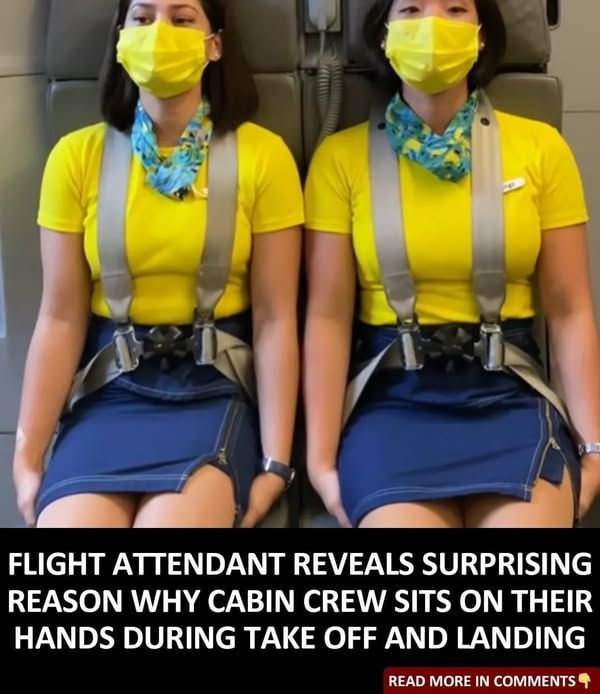
As explained by Cebu Pacific flight attendant Henny Lim in a viral TikTok video, the bracing position involves sitting upright, fastening seatbelts, placing hands on thighs with thumbs tucked, and keeping feet flat.
Why Is It Important?
The primary goal is to minimize movement in emergencies, reducing the risk of injury upon impact. This position also prevents uncontrolled flailing, which can cause further harm during a crash. Additionally, flight attendants perform a “silent review,” mentally rehearsing emergency procedures and assessing potential escape routes.
Regulatory Backing
The FAA emphasizes the importance of this posture, as it reduces secondary injuries by positioning the body against impact surfaces.
Through social media, flight attendants like Lim and Destanie educate passengers on safety while sharing industry experiences. Their insights offer travelers a newfound appreciation for the professionalism and preparedness of those entrusted with their safety.
