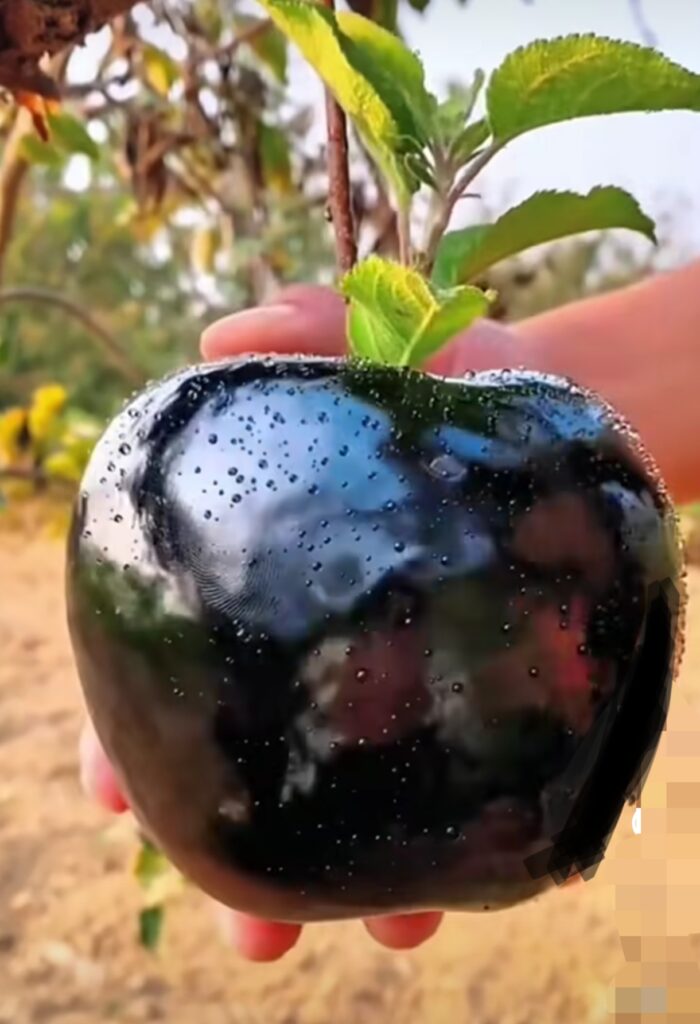
The dark Side of the black apple: Unveiling the hidden Truths
In recent years, the Black Diamond apple has captured the fascination of food enthusiasts and luxury fruit markets worldwide. Its striking appearance and rarity have made it a sought-after delicacy. However, behind its glossy black skin lies a series of concerns that consumers should be aware of.
#### 1. Environmental Impact
The cultivation of Black Diamond apples is resource-intensive, raising significant environmental concerns. These apples are grown in the mountainous regions of Tibet, where the fragile ecosystem is increasingly threatened by commercial farming practices.
– **Water Usage:** Growing Black Diamond apples requires a substantial amount of water, which strains local water resources, potentially leading to shortages for local communities and wildlife.
– **Carbon Footprint:** The transportation of these rare apples from remote regions to global markets involves long-distance shipping, contributing to a higher carbon footprint compared to locally sourced fruits.
#### 2. Ethical and Cultural Concerns
The commercialization of Black Diamond apples has significant implications for the local communities in Tibet.
– **Cultural Exploitation:** The demand for these apples can lead to cultural exploitation, where local traditions and practices are overshadowed by the push for commercial profit.
– **Labor Conditions:** There are concerns about the working conditions of farmers and laborers involved in the cultivation and harvesting process. The pursuit of higher profits can sometimes lead to the neglect of fair labor practices.
#### 3. High Cost and Accessibility
The exclusivity of Black Diamond apples comes with a hefty price tag, making them inaccessible to the average consumer.
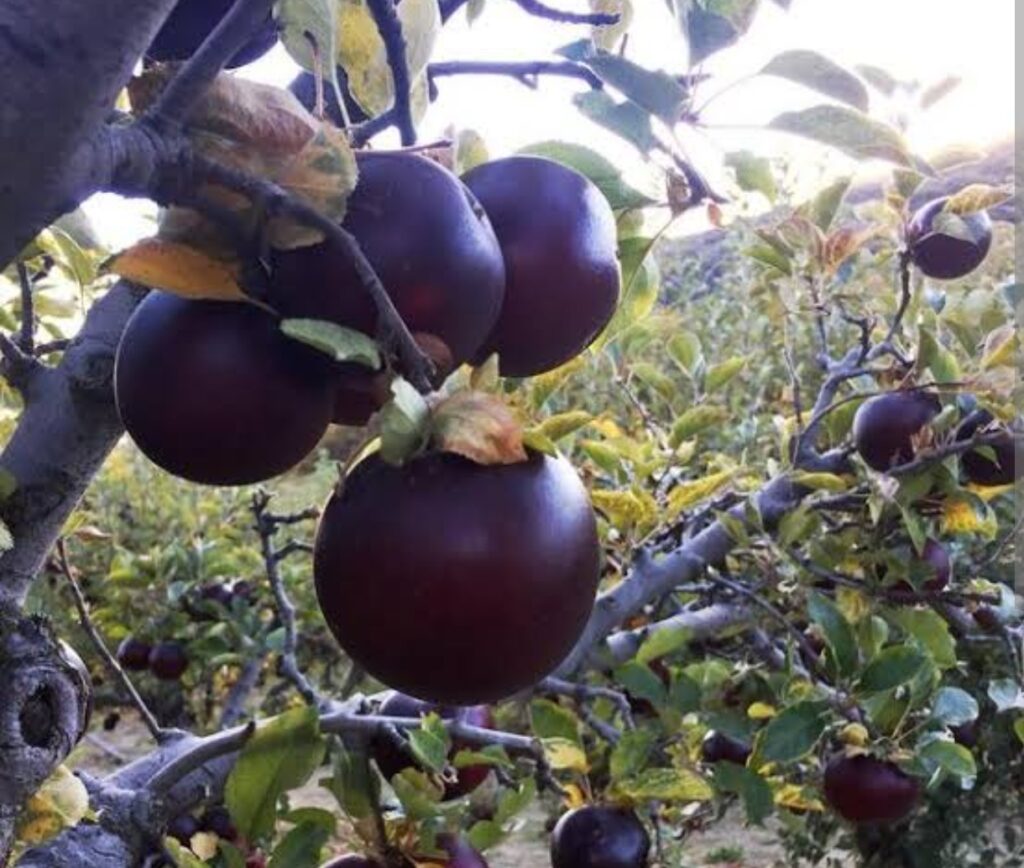
– **Luxury Over Practicality:** The high cost of these apples positions them as a luxury item, raising questions about the practicality of spending a significant amount on a single piece of fruit. This exclusivity can create a divide between those who can afford such luxuries and those who cannot.
– **Market Inequity:** The focus on cultivating and marketing such high-end fruits can divert attention and resources away from more accessible and affordable produce, exacerbating market inequities.
#### 4. Health and Safety Concerns
While Black Diamond apples are touted for their unique appearance and taste, there are potential health and safety concerns to consider.
– **Pesticide Use:** To maintain their pristine appearance, these apples may be treated with higher levels of pesticides. This raises concerns about the potential health risks associated with pesticide residues on the fruit.
– **Nutritional Value:** Despite their exotic appeal, Black Diamond apples may not offer significantly more nutritional benefits compared to other apple varieties. Consumers should weigh the nutritional value against the high cost.

#### Conclusion
While the Black Diamond apple may captivate with its allure and exclusivity, it’s essential to consider the broader implications of its production and consumption. From environmental and ethical concerns to health and cost issues, the hidden truths behind this rare fruit reveal a more complex picture. As consumers, making informed choices about the food we eat involves looking beyond the surface and considering the impact on our planet, local communities, and overall well-being.
