Your smile is one of the first things people notice about you, and maintaining great oral health should be a priority. With so many teeth-whitening treatments available today, it’s easy to get caught up in quick-fix promises—like the idea that you can transform yellow teeth into a “milk-white, shiny” smile in just minutes. But before diving into any new whitening procedure, it’s crucial to approach with caution. Not all solutions are created equal, and some could end up doing more harm than good.
In this guide, we’ll explore the best natural ways to whiten teeth, remove plaque, and fight tartar—without compromising your enamel or health. And as always, consulting a dentist is the first step before beginning any teeth-whitening method.
Your smile is one of the first things people notice, making oral health a priority. With countless teeth-whitening treatments available, it’s tempting to try quick fixes promising instant results. However, not all solutions are safe, and some may cause damage.
Before starting any whitening treatment, consult a dentist. They can assess your oral health, identify discoloration causes, and recommend the safest, most effective options.
Over-the-counter (OTC) whitening products like toothpastes, strips, and gels offer gradual improvements. Consistency is essential, and overuse may lead to enamel damage.
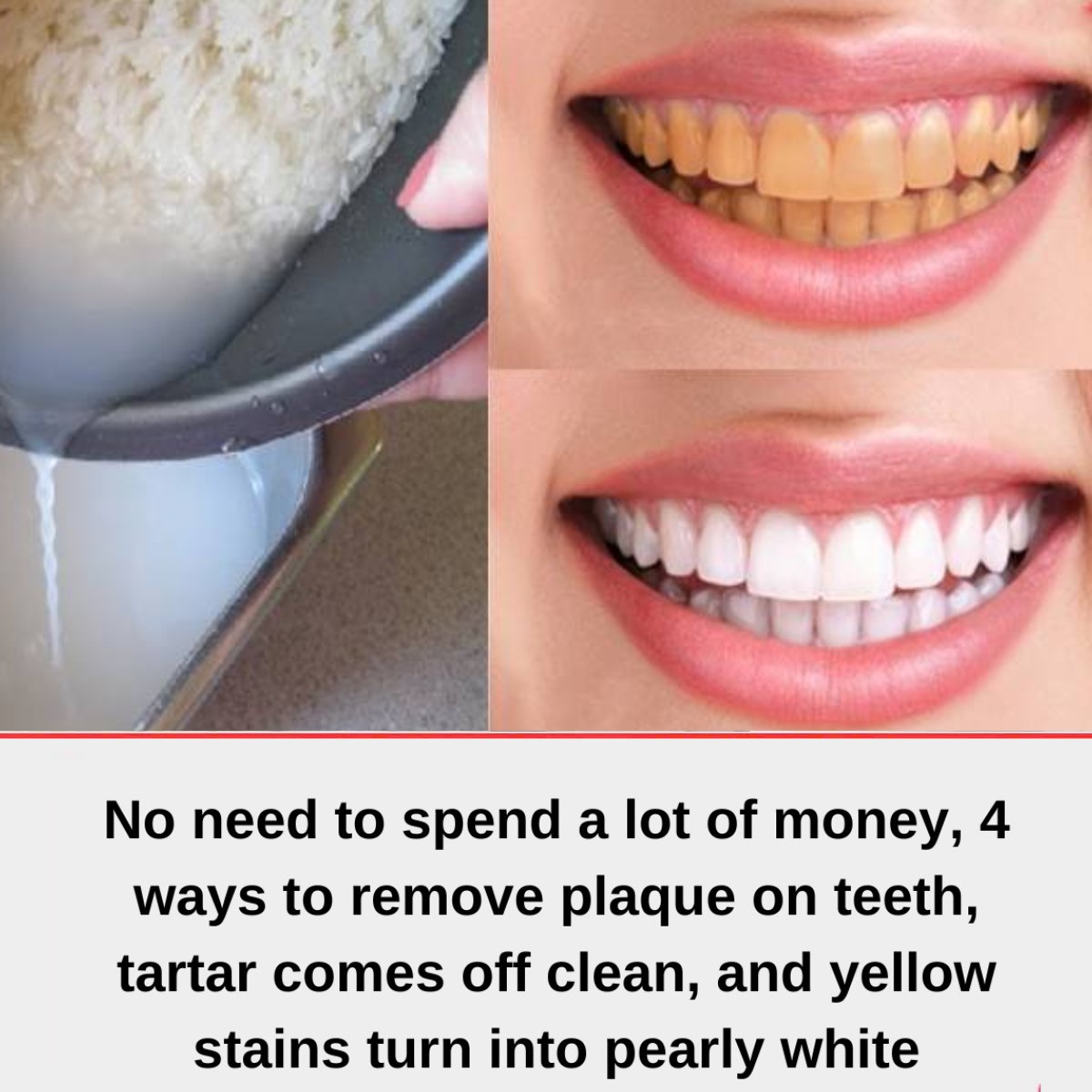
Natural remedies, when used correctly, can aid in whitening. Baking soda’s mild abrasiveness removes surface stains, but excessive use can harm enamel. Activated charcoal may help but should be used sparingly due to its abrasiveness. Coconut oil pulling removes bacteria and plaque, promoting overall oral health. Additionally, swishing rice water may strengthen teeth and gently reduce stains.
Professional whitening treatments provide faster, more dramatic results. Lifestyle changes—limiting coffee, tea, and smoking, and maintaining good oral hygiene—help prevent stains.
Use whitening methods in moderation. A bright smile takes patience and care, ensuring long-term oral health.
