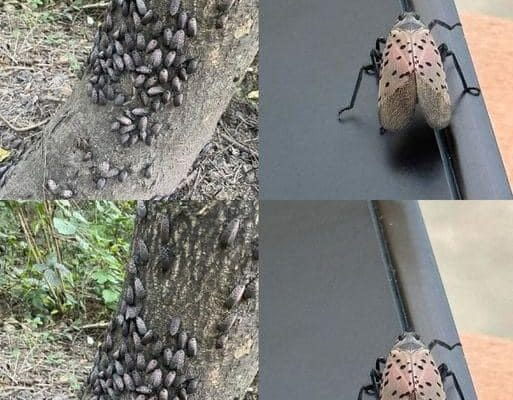
I’ve never loved bugs. I actually think a lot of us can agree that while some insects are beautiful and fascinating, others can creep you out.
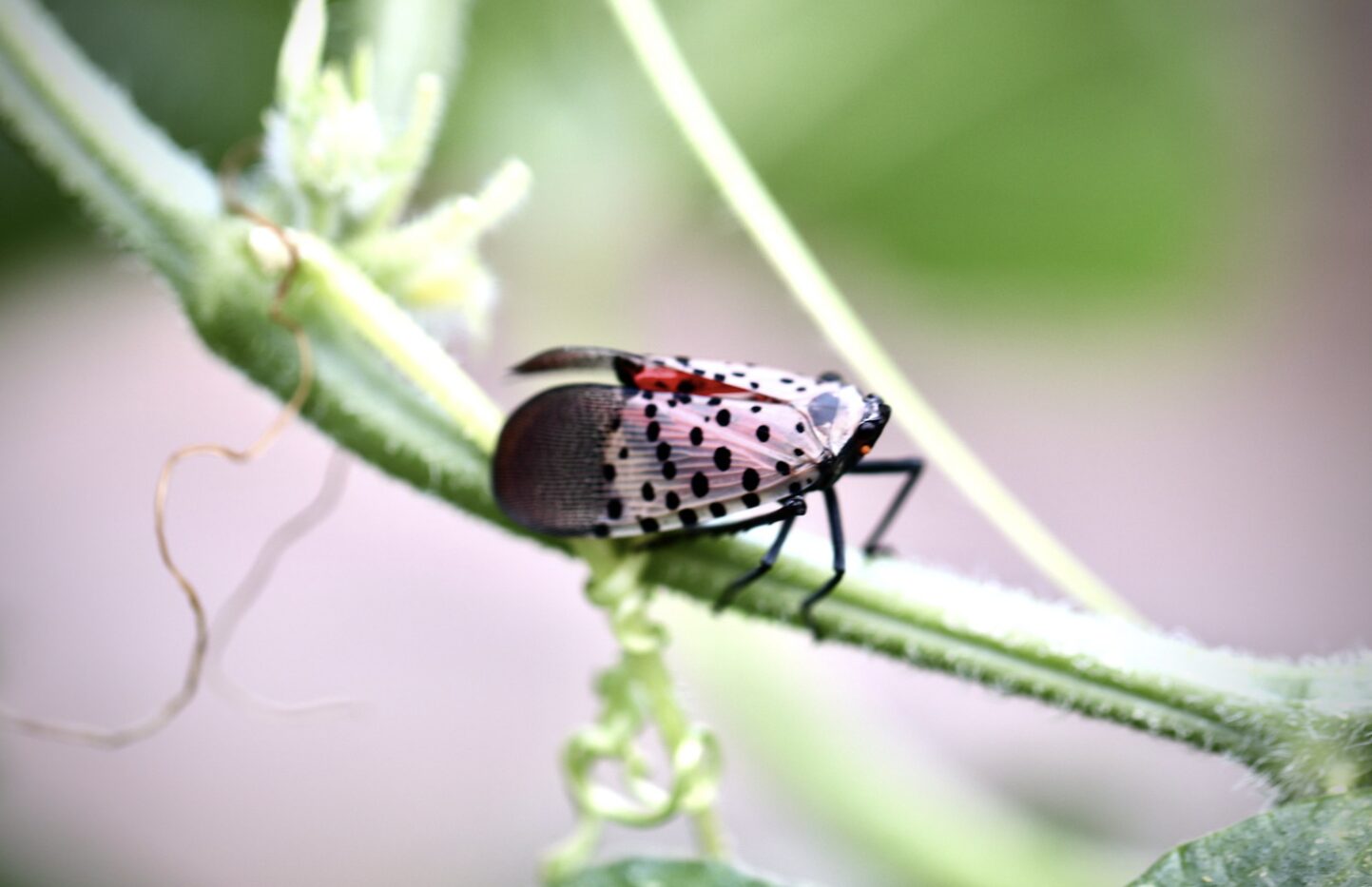
The lanternfly is an insect. If you spot it, you might want to get rid of immediately. And believe me, I’ve had my own run-ins with these pests in my backyard. There they were, clustered on my favorite maple tree, looking almost beautiful with their distinctive and colorful wings. But don’t let their appearance fool you—these insects are destructive.
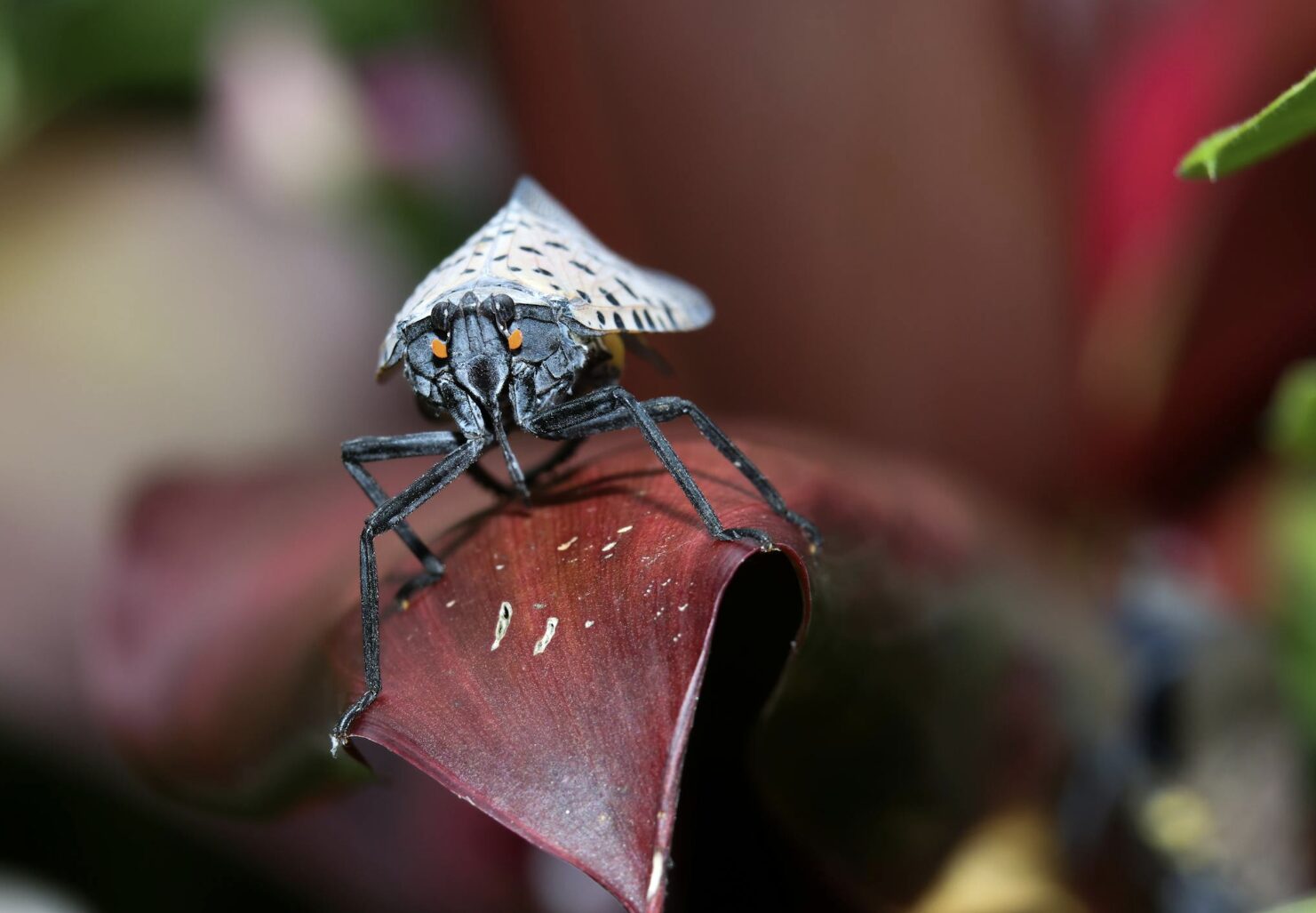
What is a Lanternfly?
Despite its charming name, the lanternfly is a significant pest. It originated in China and was first spotted in the United States in Pennsylvania in 2014. Since then, it has been spreading across various states, leaving a trail of agricultural and ecological damage. The thing about the lanternfly is that it’s not just a problem for commercial farmers; it affects backyard gardeners like myself just as severely.
The Damage They Cause
Lanternflies feed on the sap of a wide range of plants and trees. This feeding process not only weakens the plant but can also lead to the growth of sooty mold due to the sticky, sweet substance called honeydew that they excrete. This mold further harms the plant by inhibiting photosynthesis, effectively choking the life out of it. In my case, I noticed the once vibrant leaves of my maple turning dull and blackened as the mold spread.
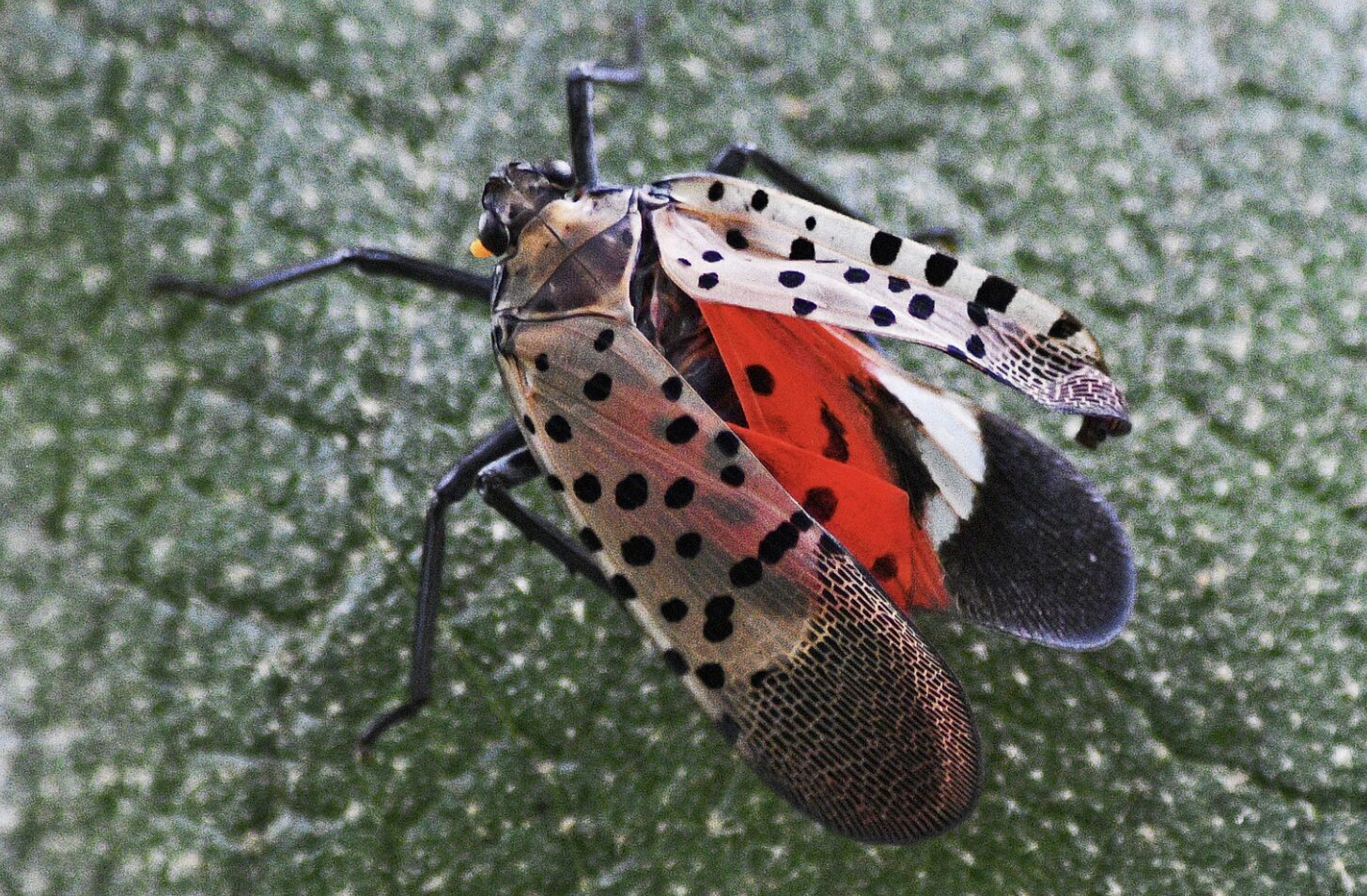
Feeding Process
The lanternfly uses a long, needle-like mouthpart to pierce the plant and access the sap. This feeding style is particularly harmful because it allows the insect to tap directly into the plant’s nutrient channels, sapping its life energy away efficiently. Observing them at work on my plants was both fascinating and horrifying.
First Sightings
Lanternflies were first detected in the U.S. in Pennsylvania. They likely arrived on a shipment of stones or other goods from Asia. Since their first detection, they have been moving across the states, primarily along the East Coast, but their range is expanding as they find suitable climates and host plants.
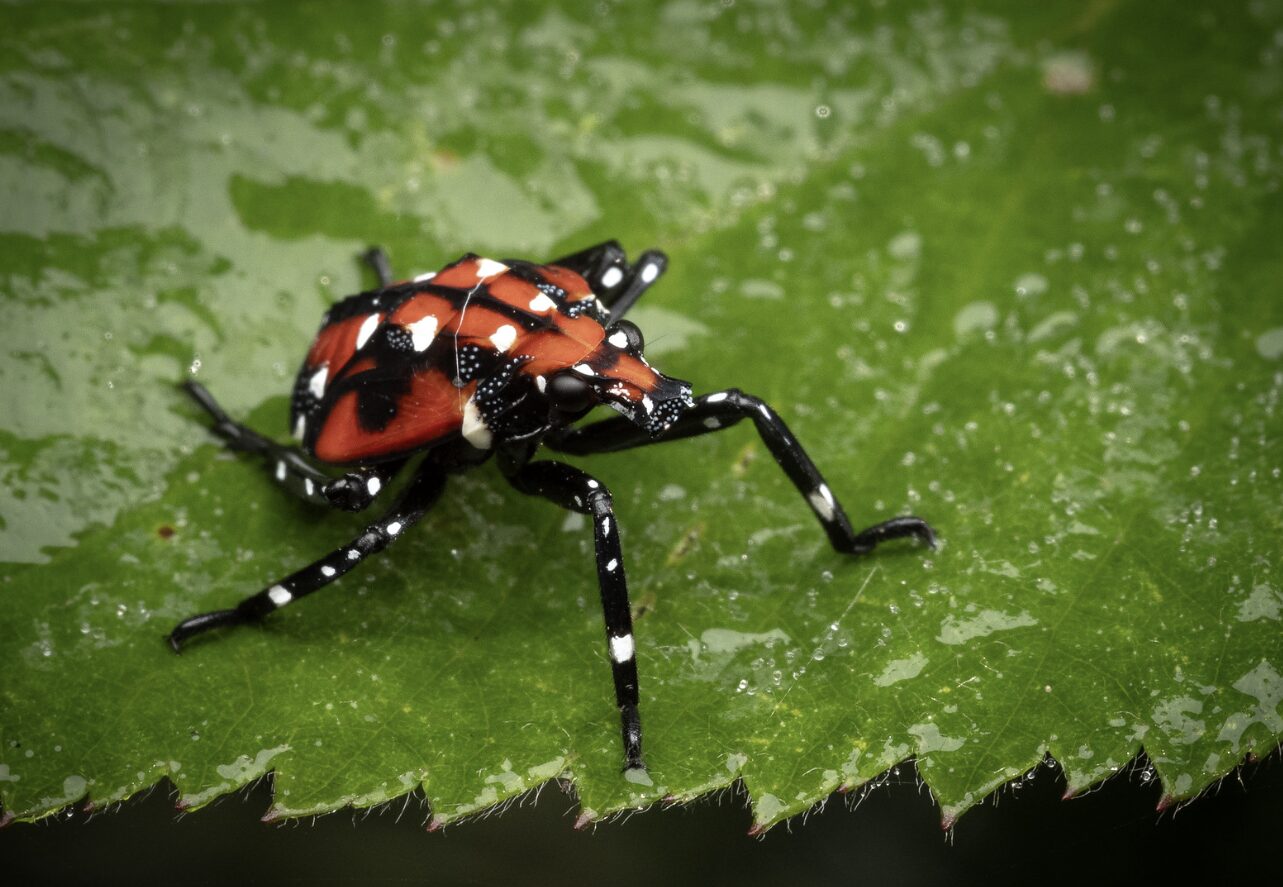
What to Do If You See a Lanternfly?
If you see a lanternfly, you should eliminate it. This might sound harsh, but considering the significant damage these insects can do, controlling their population is essential. You can squash the adults or nymphs directly.
Destroying Lanternfly Eggs
One effective way to manage lanternfly populations is by destroying their eggs before they hatch. The egg masses look like smears of gray mud and are often found on smooth surfaces like the bark of trees, stones, or even outdoor furniture. If you find an egg mass, you can scrape it off into a bag containing alcohol or hand sanitizer, which k_ills the eggs.
Dealing with lanternflies has been an eye-opening experience for me. It’s taught me that sometimes, taking harsher measures against certain insects is necessary to protect the broader ecosystem.
