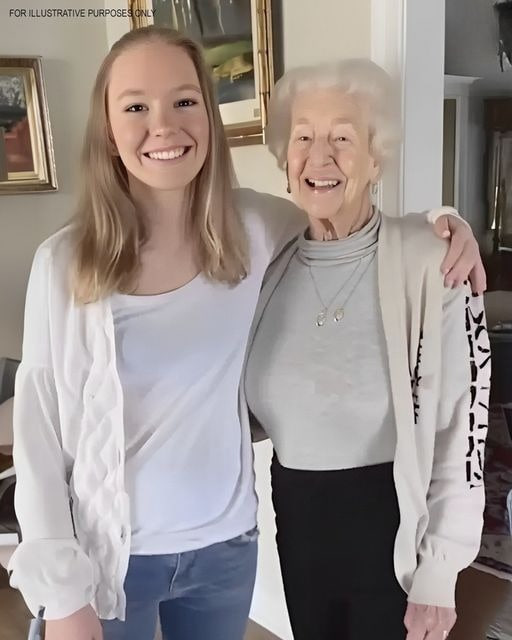
My grandma played everyone like a chess grandmaster. She was seriously wealthy, and every relative, especially my uncle and aunt, had their eyes on her fortune. They practically told her they were just waiting for her house.
When she passed, I was heartbroken. A few days later, her lawyer gathered the family to read her will. Eight of us walked into the room, where there were seven envelopes and seven small boxes on a table. The lawyer smiled and told me, “For you, your grandma left something different.” Everyone else was instructed to open their envelopes.
My uncle’s face dropped when he opened his box. Instead of money or jewels, it contained a faded, handwritten note. He stared at it, then burst into laughter, as though it held some secret joke. The rest of us opened our envelopes, which contained a modest sum and some heirlooms. But when it was my turn, the lawyer handed me a leather-bound journal. Inside, I found my grandma’s stories—her life, her dreams, and her secret tests of loyalty.
The note in my uncle’s box read: “The true inheritance is the laughter we share.” It became clear—grandma valued connection over wealth.
