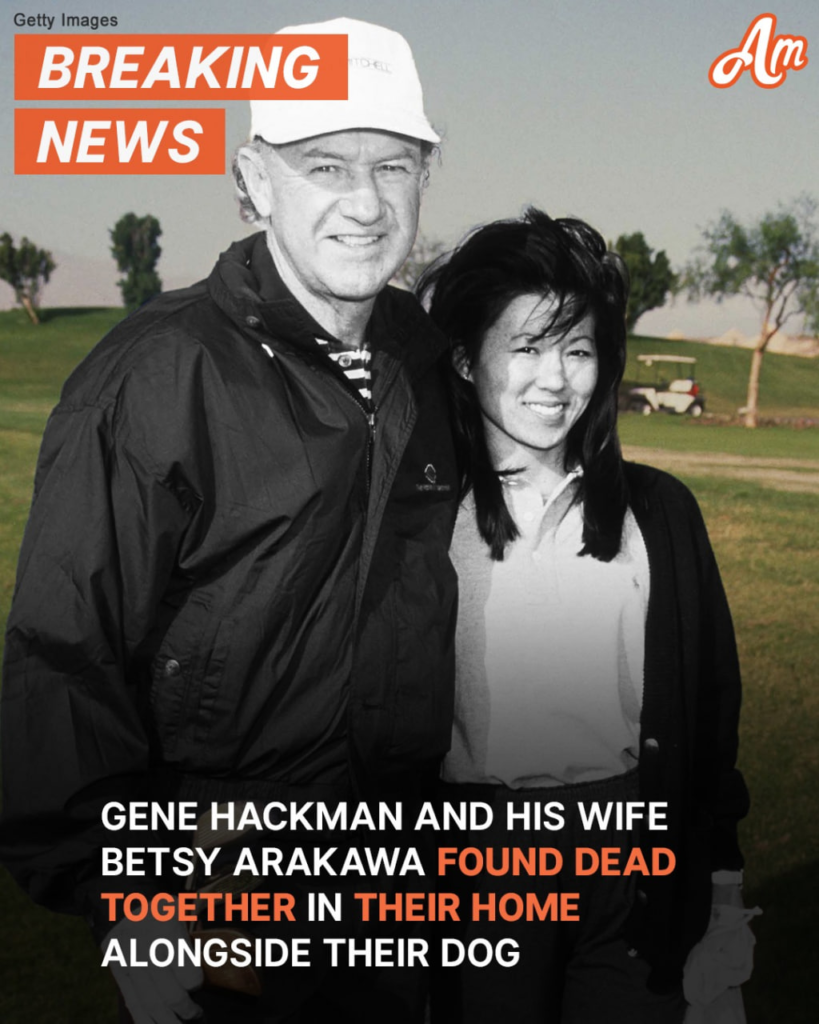
The legendary actor and his wife, a classical pianist, had been married since 1991 and were rarely seen in public.
Gene Hackman and his wife, Betsy Arakawa, were found dead in their Santa Fe Summit home on the afternoon of Wednesday, February 26. Authorities have not suspected foul play, but an investigation is ongoing.
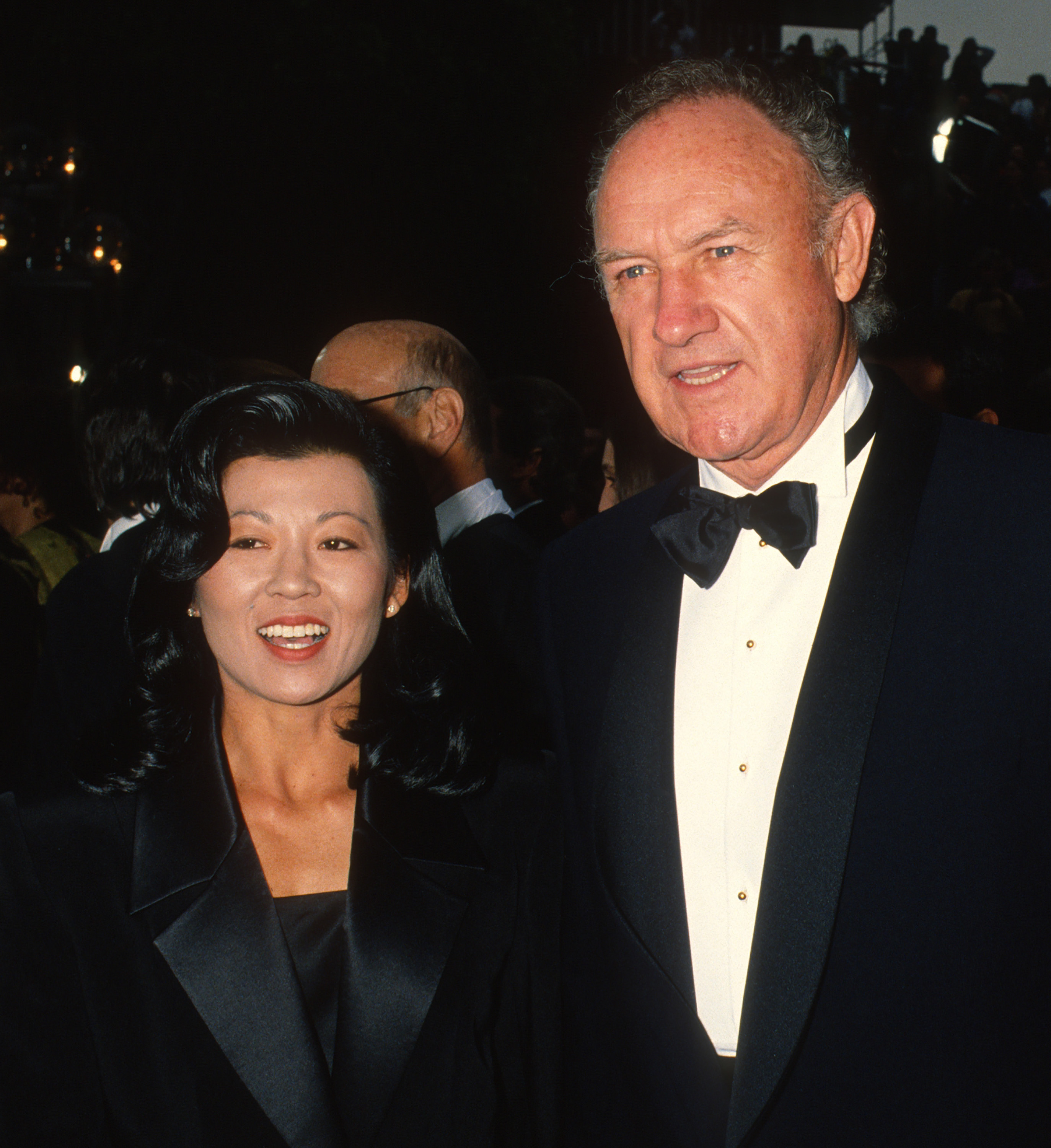
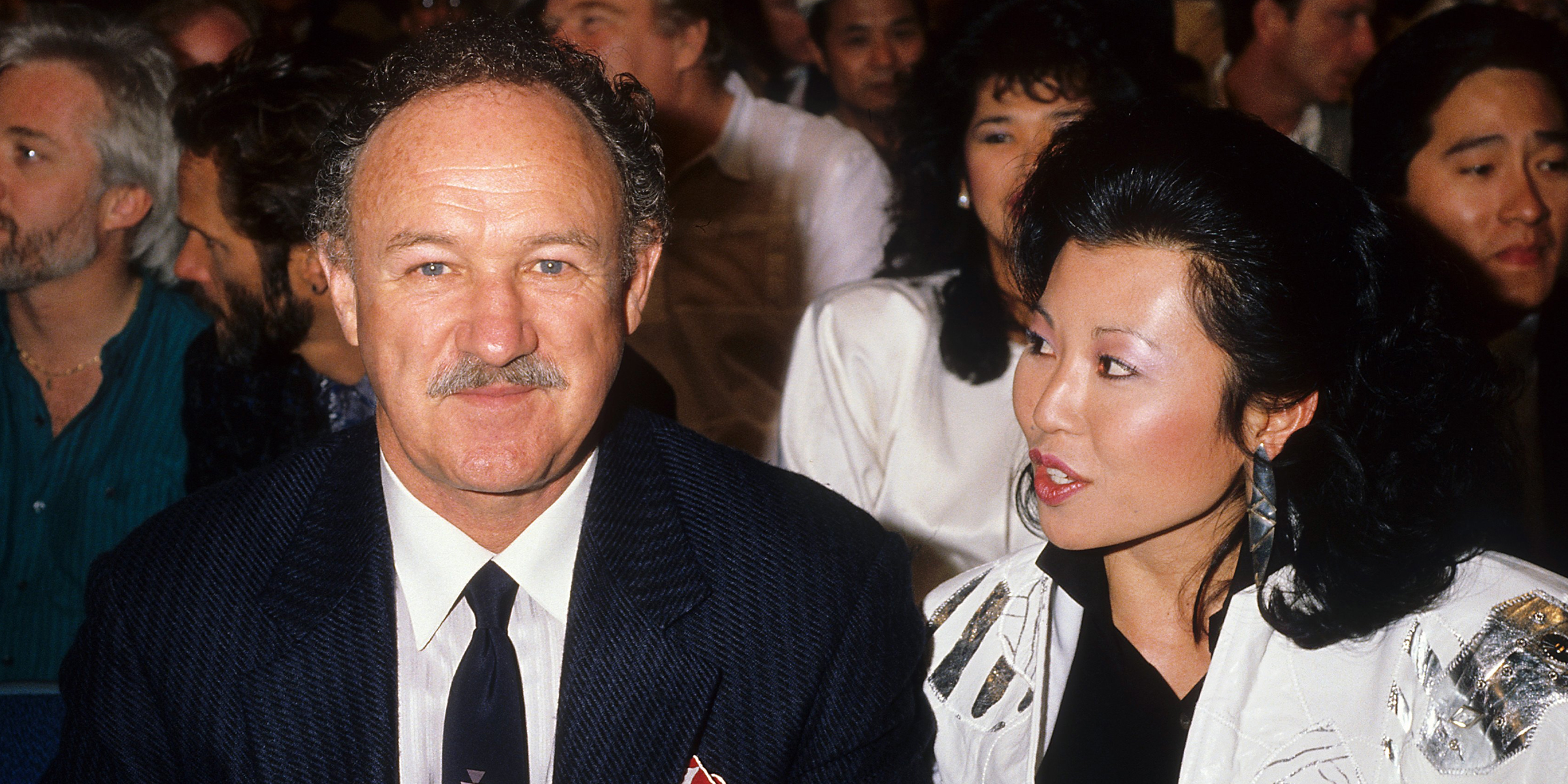
Betsy Arakawa and Gene Hackman attend the 65th annual Academy Awards at the Dorothy Chandler Pavilion, Los Angeles, California, on March 29, 1993 | Source: Getty Images
A caretaker was the first to discover the bodies of Hackman and Arakawa, according to a 911 call made just before 2 p.m. local time on Wednesday. An affidavit later stated that maintenance workers also found the couple deceased.
The caller, visibly distressed, informed emergency responders that they were unable to enter the home. However, they could see two unresponsive individuals through the window. The caretaker informed the dispatcher, “No, dude, they’re not moving. Just send somebody out here really quick.”
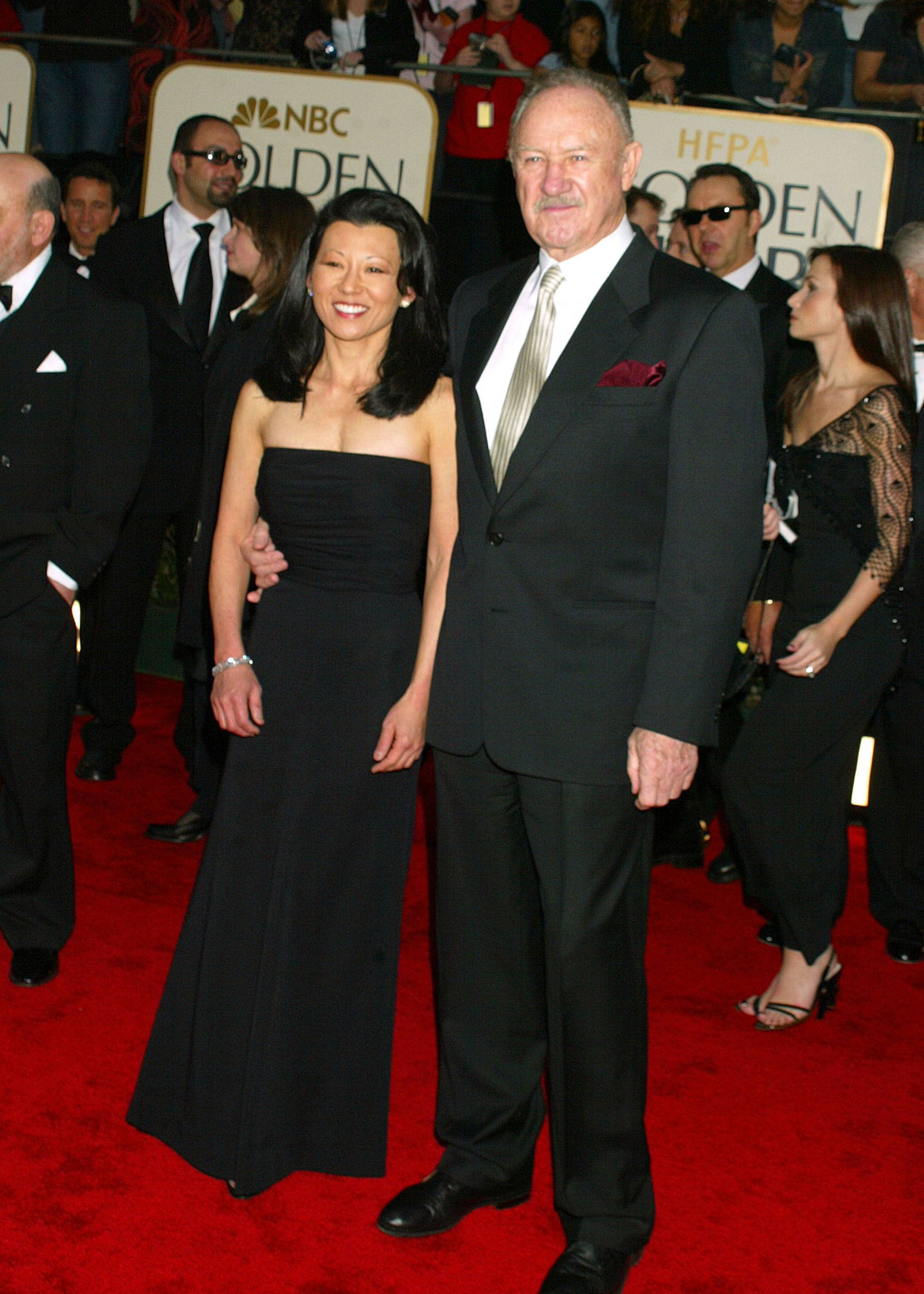
Betsy Arakawa and Gene Hackman during The 60th Annual Golden Globe Awards at The Beverly Hilton Hotel in Beverly Hills, California, on January 19, 2003 | Source: Getty Images
Sheriff deputies arrived at Hackman and Arakawa’s home on Old Sunset Trail in response to this call, where they found the couple and their dog deceased.
Santa Fe County Sheriff Adan Mendoza later confirmed just after midnight on Thursday that the actor, his wife, and their pet had passed away. Mendoza stated that there were no immediate signs of foul play. However, he did not disclose a cause of death or estimate when the couple had passed.
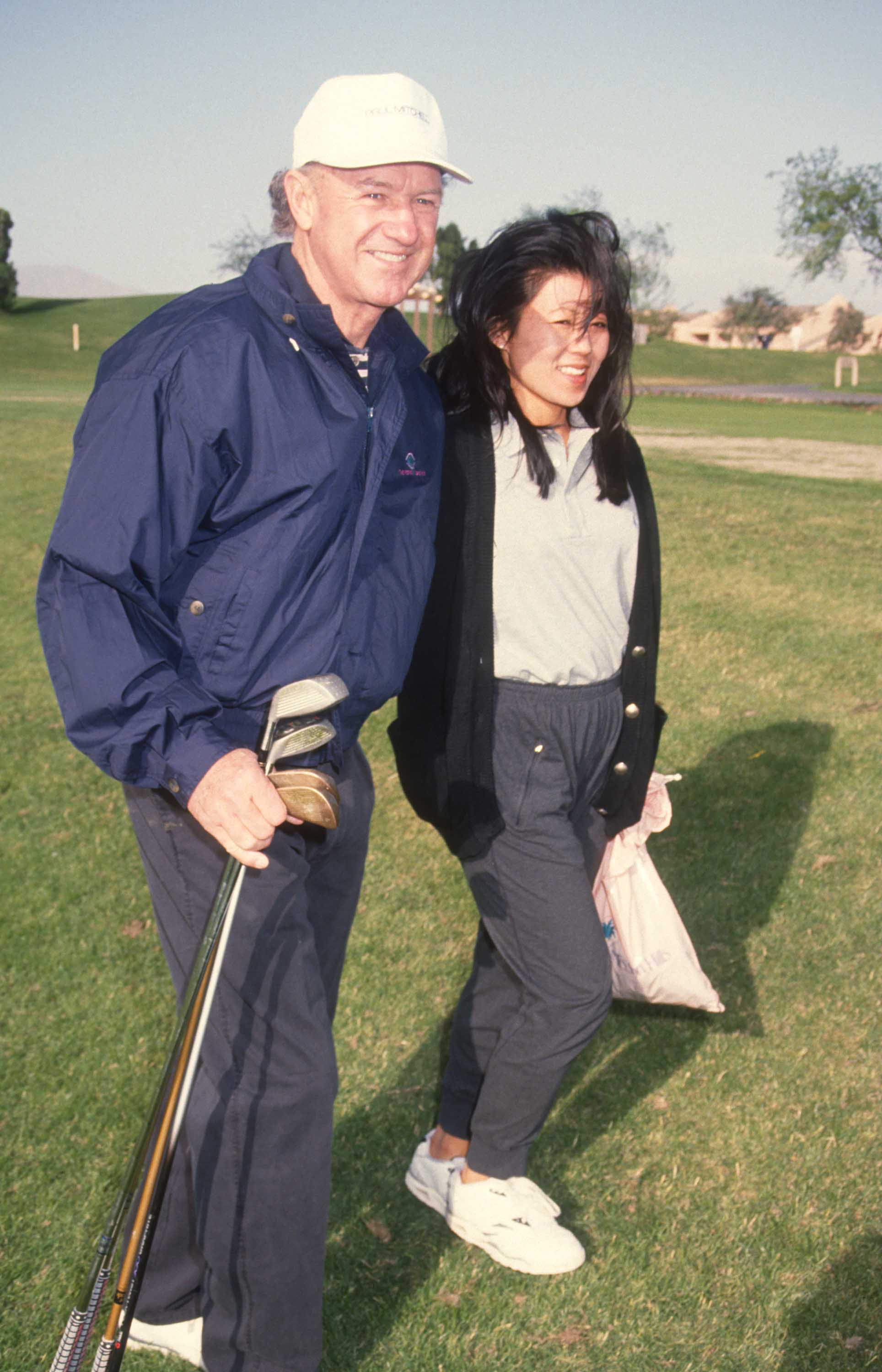
Gene Hackman and Betsy Arakawa attend the Mission Hills Celebrity Sports Invitational in Rancho Mirage, California, on November 30, 1991 | Source: Getty Images
The sheriff has also notified the public that he and his team are in the middle of preliminary investigations as they wait on the approval of the search warrant. He also assured the community of their safety, adding that they were in no imminent danger.
Gene Hackman. who had left the limelight, lived an adventurous life, experiencing a winding path before his Hollywood breakthrough. He was 36 when he gained recognition in 1967’s “Bonnie and Clyde,” a role he landed after missing out on playing Mr. Robinson in “The Graduate.”
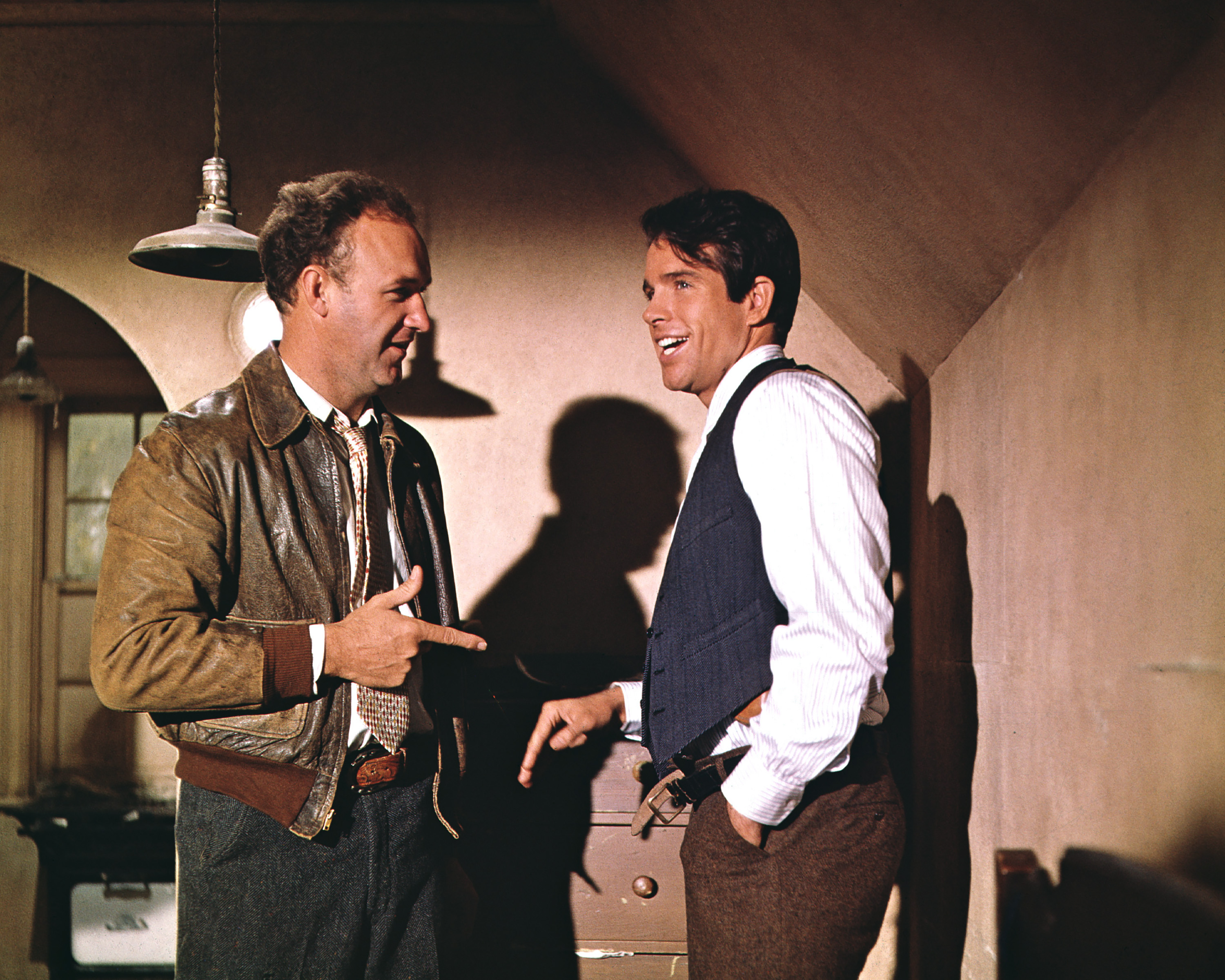
Warren Beatty as Clyde Barrow and Gene Hackman as Buck Barrow in the film “Bonnie and Clyde” in 1967 | Source: Getty Images
Before that, he served in the Marines and struggled to make ends meet in California and New York. At times he shared an apartment with roommates, one who was “Graduate” star Dustin Hoffman. Hackman also took on various jobs, including working as a truck driver and doorman.
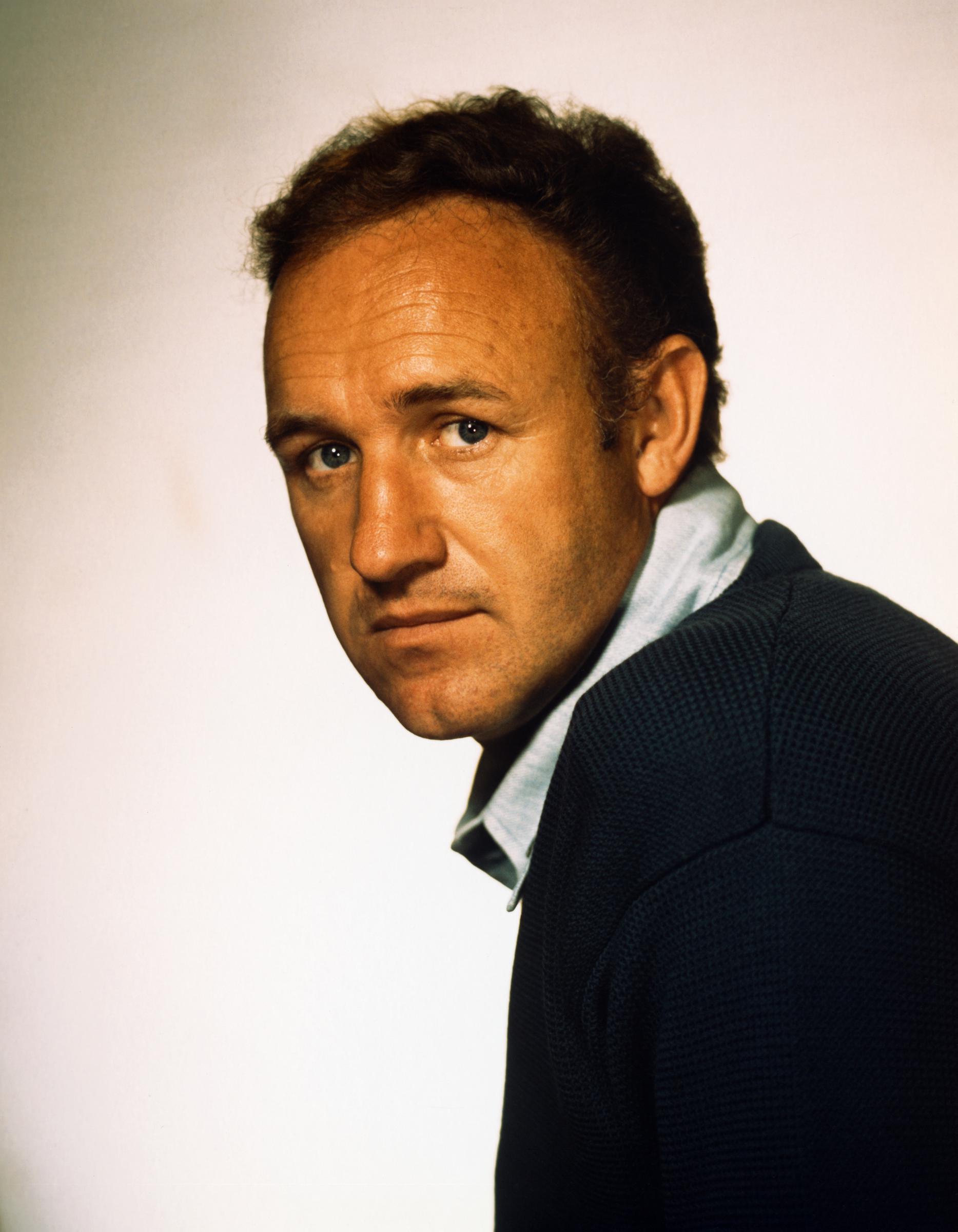
Gene Hackman in 1970 | Source: Getty Images
After his Hollywood debut, Hackman starred in films like “The French Connection,” “Hoosiers,” “Unforgiven,” and “The Firm,” where his performances put him into the leading-man territory.
The actor, who often portrayed conflicted authority figures or cunning white-collar villains, brought depth and intensity to his roles.
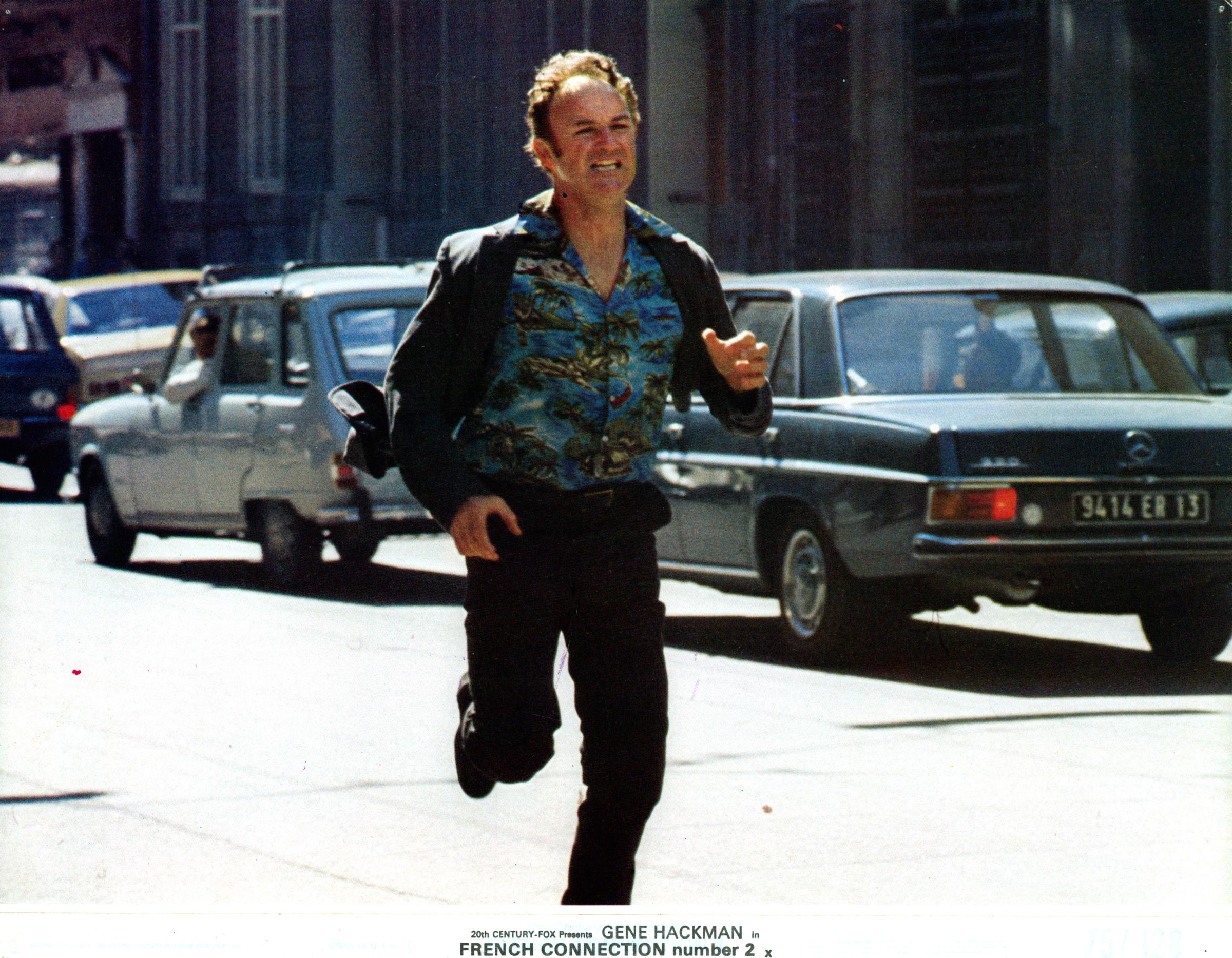
Gene Hackman runs down the street in a scene from the film “French Connection II,” in 1975 | Source: Getty Images
His portrayal of Lex Luthor in the “Superman” films of the 1970s and 1980s remains one of his most recognizable performances. In this role, he showcased a mix of intelligence and menace.
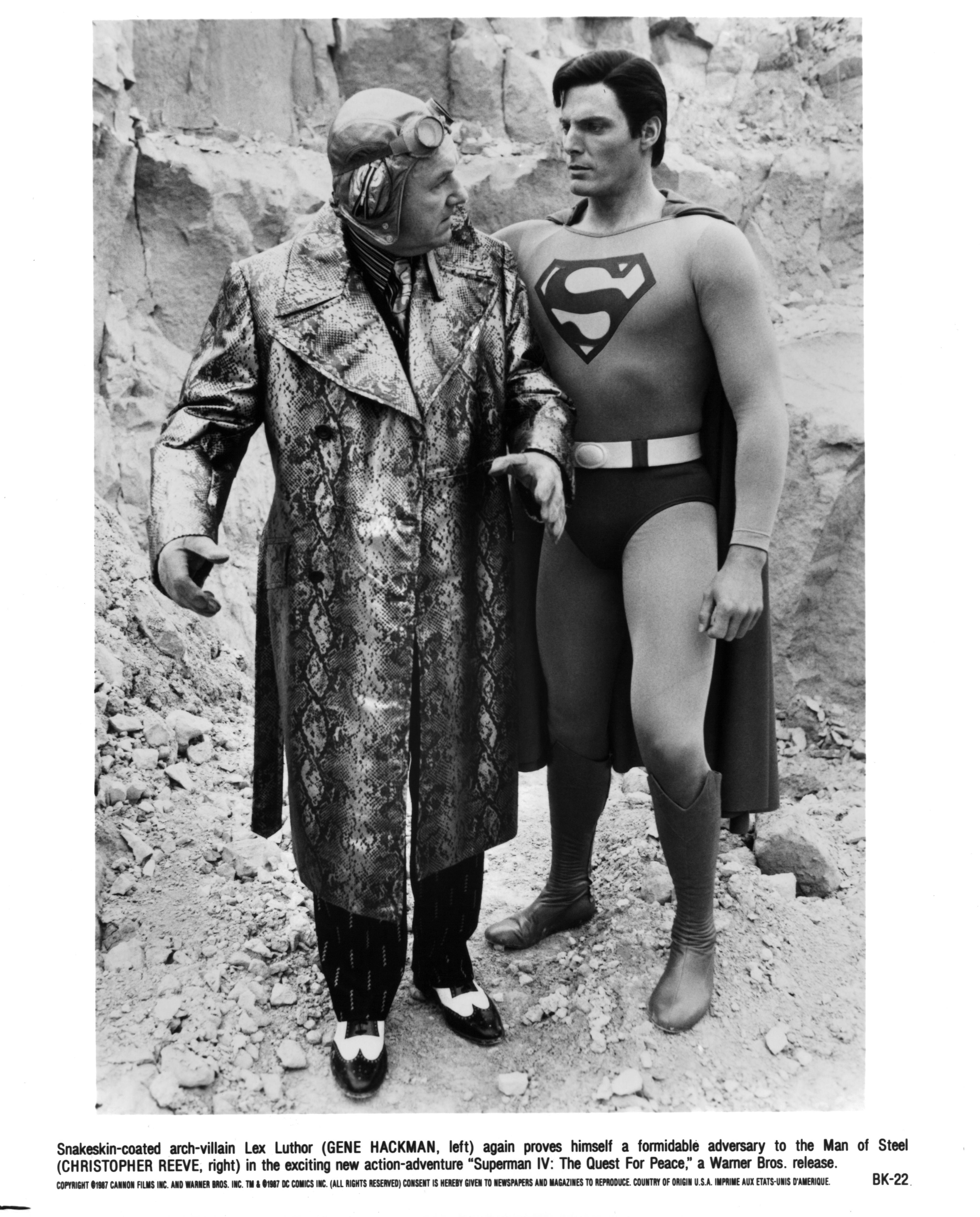
Gene Hackman and Christopher Reeve in a scene from the Warner Bros movie “Superman IV: The Quest for Peace” circa 1987 | Source: Getty Images
Hackman’s talent earned him two Academy Awards. He won his first Oscar for playing relentless New York cop Popeye Doyle in 1971’s “The French Connection.” Doyle was a detective whose pursuit of justice came at a steep personal cost.
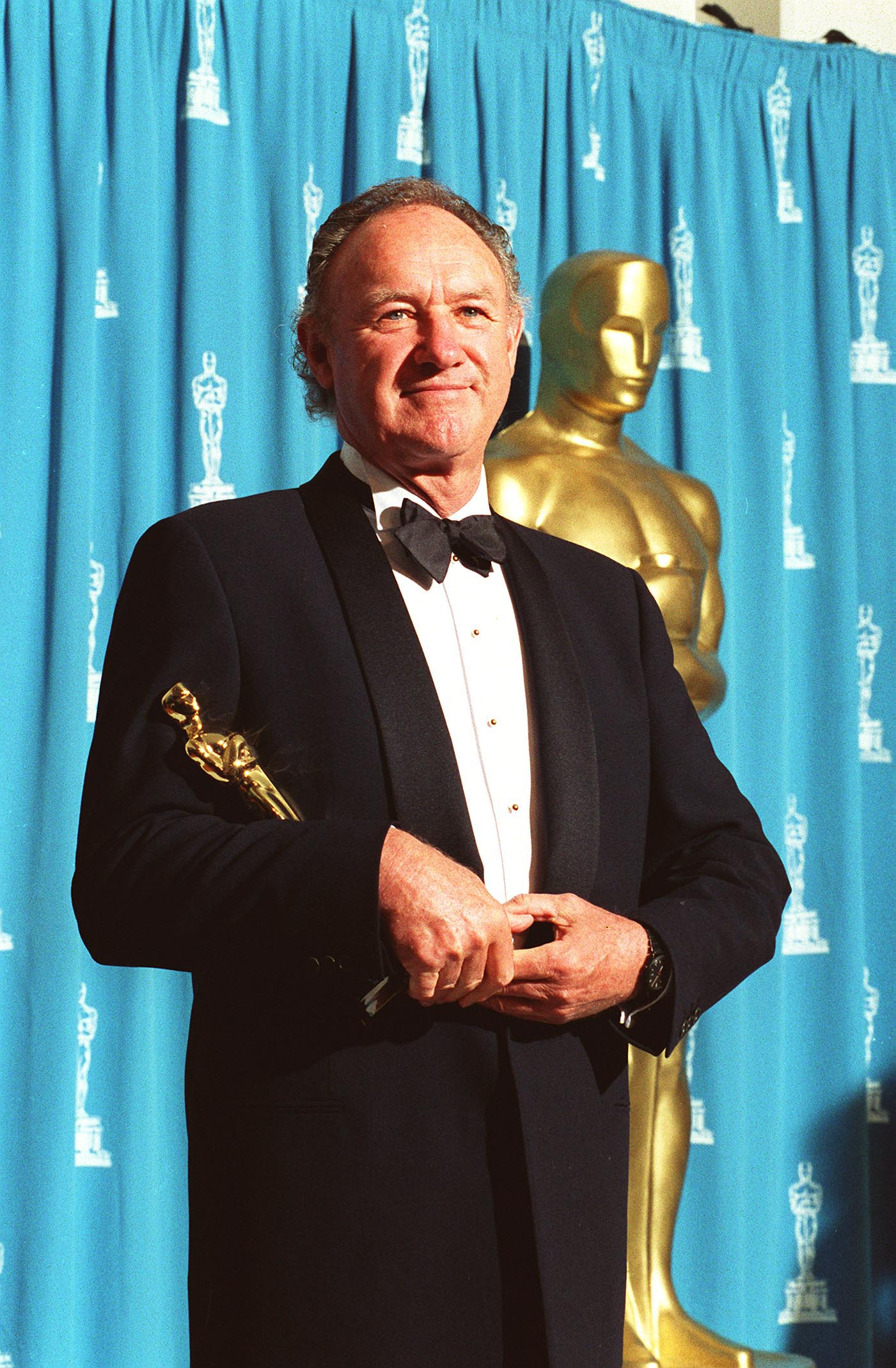
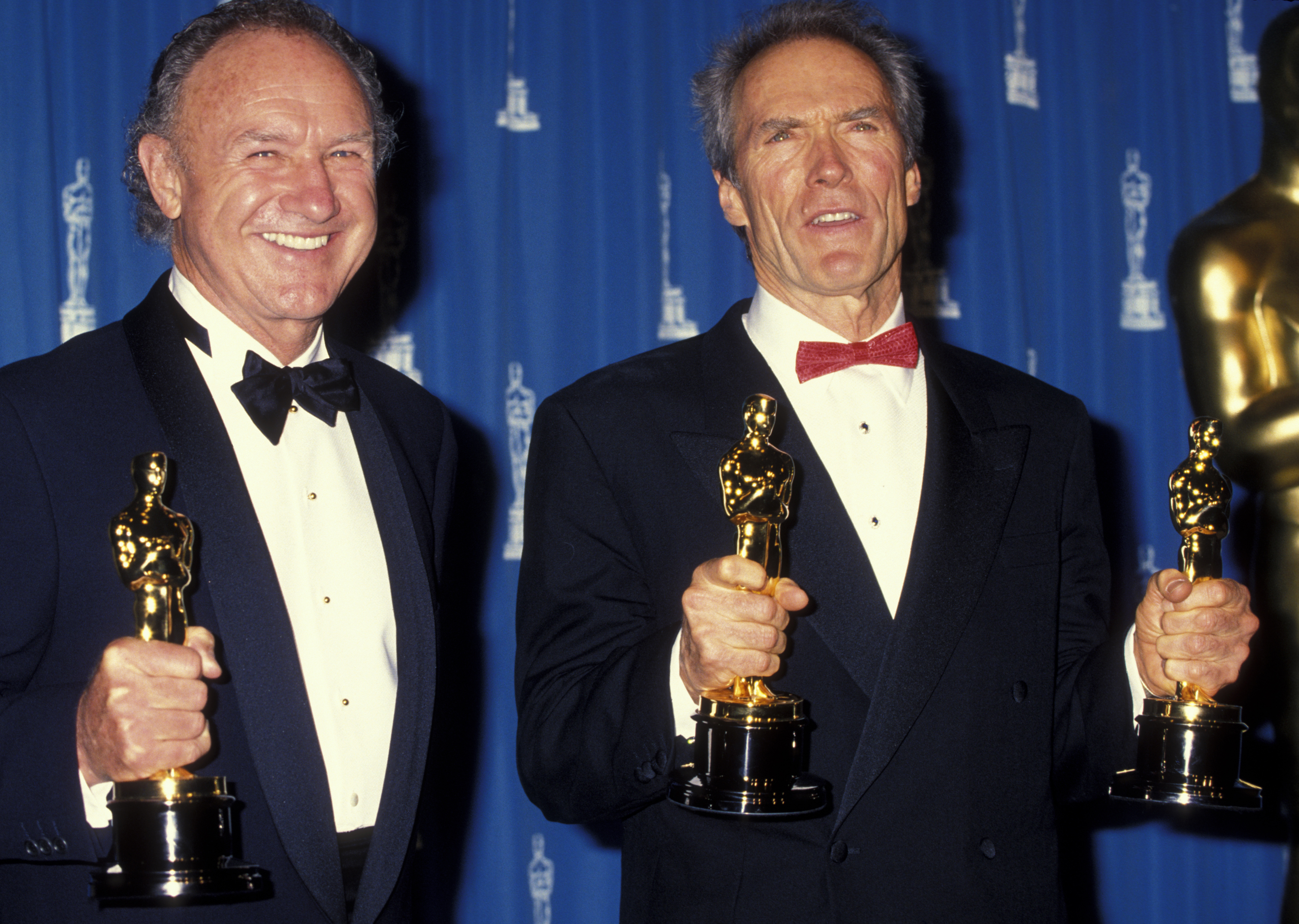
Gene Hackman at the 1993 Academy Awards | Source: Getty Images
In 1974’s “The Conversation,” he delivered a gripping performance as a surveillance expert whose obsession leads to paranoia. Hackman’s second Oscar came in 1992 for his role as Little Bill Daggett in Clint Eastwood’s “Unforgiven.” Daggett was a ruthless sheriff enforcing the law with brutal authority.