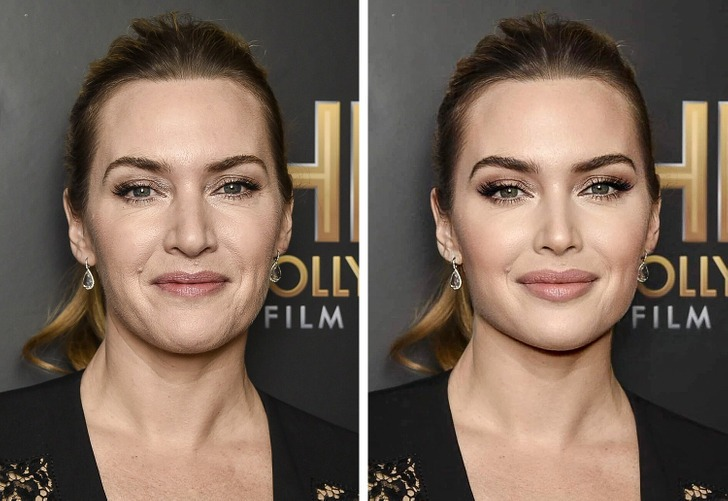
Beauty standards have evolved dramatically throughout history, reflecting societal values, cultural shifts, and media influence. From the curvaceous figures celebrated during the Renaissance to the waif-like ideals of the 1990s, the definition of beauty has been constantly redefined.
In the early 20th century, Hollywood introduced the hourglass figure as the ultimate standard, with icons like Marilyn Monroe embodying the ideal. The 1960s brought the rise of ultra-thin models like Twiggy, setting a new benchmark for desirability. By the early 2000s, beauty ideals had shifted toward a toned yet slender physique, with an emphasis on strict diet culture and rigorous fitness routines.
However, in recent years, there has been a growing movement toward inclusivity, diversity, and self-acceptance, challenging traditional beauty standards and embracing a more holistic view of attractiveness.
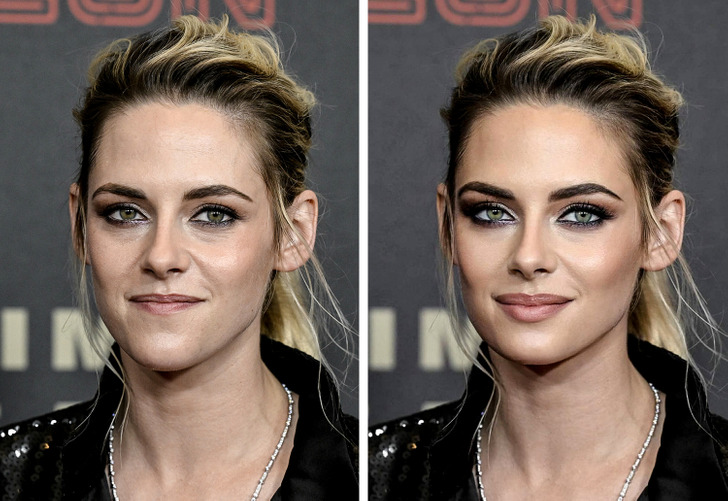
The body positivity movement challenges traditional beauty standards, promoting self-love and respect for all body types. Emerging in the 2010s, it gained momentum through social media, with influencers like Ashley Graham, Lizzo, Jameela Jamil, Winnie Harlow, and Tess Holliday inspiring others to embrace diversity and reject harmful ideals.
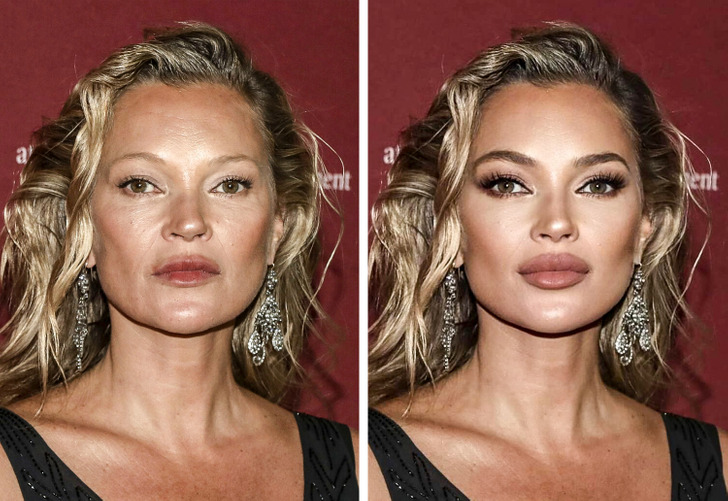
The Role of Social Media in Redefining Beauty
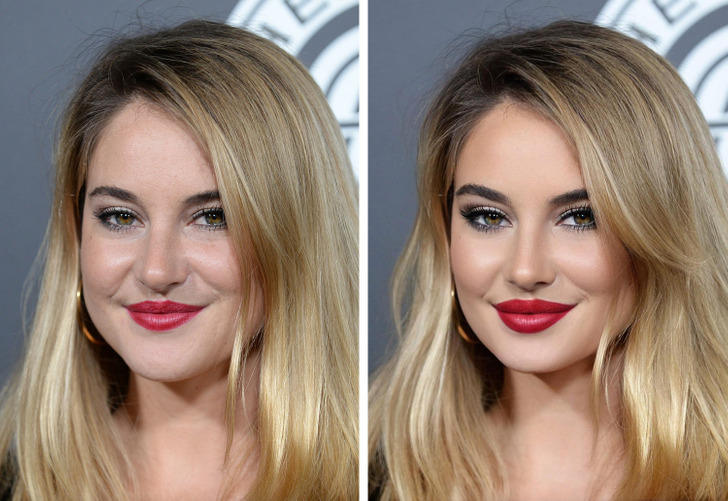
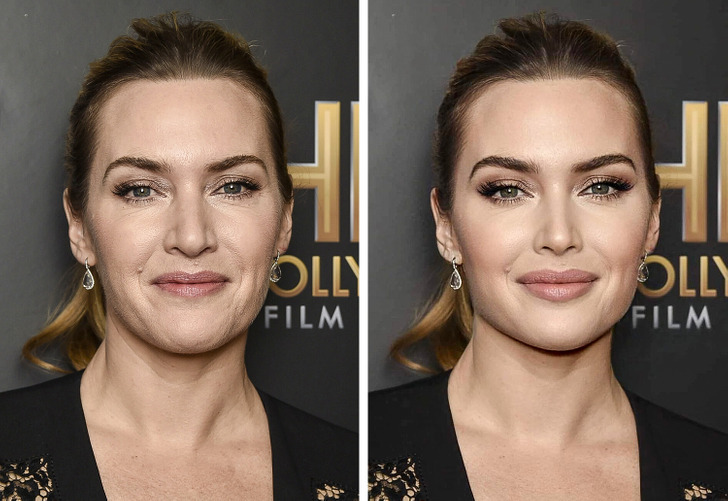
Social media has played a crucial role in transforming beauty standards. Unlike traditional media, which often upheld narrow beauty ideals, platforms like Instagram, TikTok, and Twitter have provided a space for diverse representations of beauty. Influencers and everyday users have taken control of the narrative, sharing unfiltered, authentic content that challenges airbrushed perfection.
Positive Impacts of Social Media on Beauty Standards
- Representation Matters – People from different ethnic backgrounds, body types, and abilities now have visibility, breaking away from the once rigid definitions of beauty.
- Community Support – Online communities foster self-love, offering encouragement and solidarity to those struggling with body image issues.
- Challenging Filters and Editing – The rise of movements like #NoFilter and #RealSkin encourages authenticity and transparency, reducing the pressure to conform to unrealistic beauty ideals.
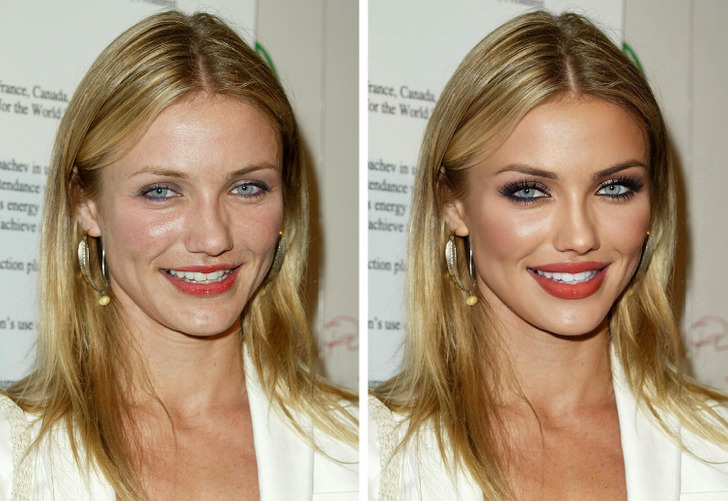
The Dark Side: Social Media Pressures
Despite these positives, social media can also reinforce beauty pressures. The prevalence of face-altering filters, photo editing apps, and curated highlight reels can contribute to body dissatisfaction and self-esteem issues. Studies suggest that excessive exposure to edited images may lead to unrealistic expectations and mental health concerns, particularly among young audiences.
The Shift Toward Inclusive Beauty
The beauty industry has responded to the changing landscape by embracing inclusivity and diversity like never before. Brands now feature models of all body sizes, skin tones, ages, and physical abilities in their campaigns.
- Fenty Beauty by Rihanna revolutionized the makeup industry with its 40+ shade foundation range, ensuring representation for all skin tones.
- Aerie stopped retouching its models in advertisements, promoting natural beauty and real bodies.
- Dove’s Real Beauty Campaign continues to advocate for self-love, using unedited images of women from all walks of life.
This shift is not just about marketing—it’s about reshaping societal beauty ideals to reflect the reality that beauty exists in many forms.
How to Embrace Body Positivity in Everyday Life
Practicing body positivity is a journey that involves unlearning toxic narratives and cultivating self-compassion. Here are some ways to foster a positive relationship with your body:
- Curate Your Social Media Feed – Follow accounts that inspire and uplift you rather than those that make you feel inadequate.
- Practice Self-Affirmations – Replace negative self-talk with positive affirmations like “I am worthy,” “My body is strong,” and “I deserve love.”
- Focus on What Your Body Can Do – Appreciate your body for its capabilities rather than just its appearance.
- Wear Clothes That Make You Feel Confident – Dressing for comfort and self-expression can significantly boost confidence.
- Surround Yourself with Supportive People – Engage with friends and communities that uplift and encourage self-love.
The Future of Beauty: A More Inclusive Perspective
As we move forward, it is clear that beauty standards will continue to evolve, but the goal should always be inclusivity, authenticity, and self-acceptance. The future of beauty lies in celebrating uniqueness, embracing imperfections, and prioritizing mental and emotional well-being over unrealistic ideals.
The growing movement toward body positivity and self-love signals a promising change where beauty is no longer confined to a single mold. Instead, it is a diverse, ever-expanding concept that welcomes everyone.
Final Thoughts
The fight against unrealistic beauty standards is ongoing, but progress is being made every day. By promoting inclusivity, representation, and self-love, we are shaping a future where everyone can feel beautiful in their own skin.
If you found this article insightful, consider sharing it with others who might need a reminder that true beauty comes from confidence, kindness, and embracing who
