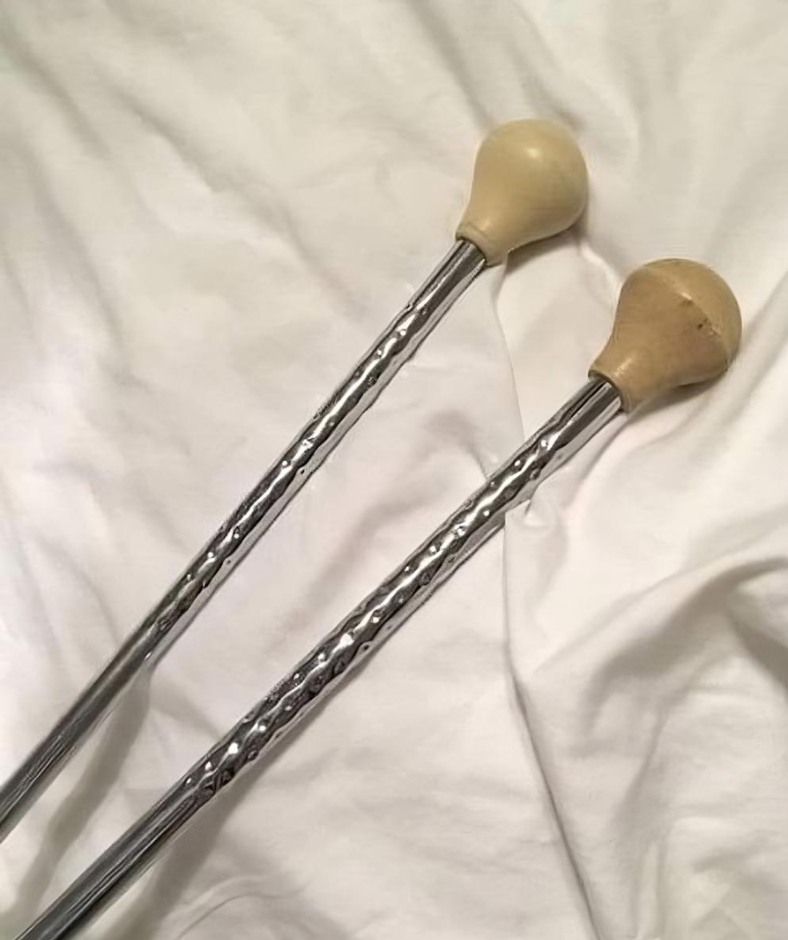
Baton twirling is an art form that combines rhythm, dexterity, and performance. Whether you’re a beginner or looking to refine your technique, understanding the basics and terminology is essential. This guide will help you build confidence as you master the art of twirling.
A baton has three main parts: the ball, shaft, and tip. The ball provides balance, the shaft forms the body, and the tip is used for intricate movements. Knowing these components enhances communication and improves your technique.
Choosing the right baton size is key. To find your ideal length, measure from the base of your neck to the tip of your middle finger and select a baton closest to that measurement.
The basic grip involves holding the baton in the center of the shaft, with your thumb on top and fingers wrapped around. This allows for better control as you learn moves like the horizontal twirl. Once mastered, you can move on to more advanced techniques like aerial tosses and combination moves, elevating your performance.
With practice, baton twirling can become a rewarding activity that boosts confidence, coordination, and creativity.
