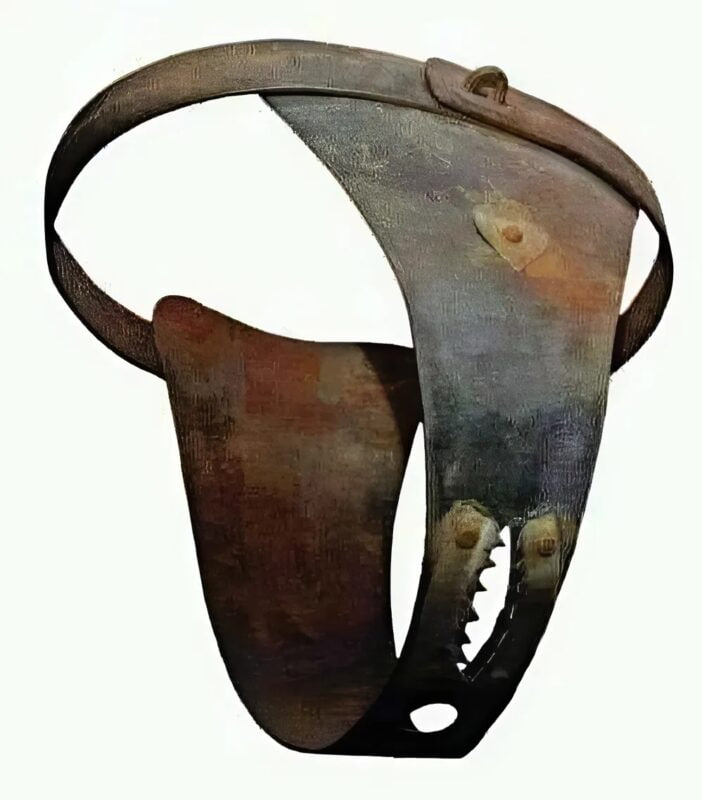
In the medieval world, keys represented more than just access—they symbolized power, trust, and control. One of the most enduring and controversial legends involves the chastity belt, which was said to be a device that ensured a wife’s fidelity during her husband’s absence. But how true is this tale?
Many historians argue that chastity belts were more myth than reality. Though some devices from later centuries exist, there’s little concrete evidence they were used in medieval times. The concept often fits into narratives of male dominance, but the practicality of such devices raises significant doubts.
Medieval hygiene was poor, and the long-term use of a metal chastity belt would have been impractical and even dangerous. In an era where bathing was infrequent, the risks of infections and sores would have been immense.
Keys, however, were a genuine symbol of authority. Women in medieval households were entrusted with keys, reflecting their power in managing estates and even influencing political matters. While the chastity belt may have been exaggerated, the keys themselves represent the complexities of control, power, and autonomy in medieval society.
