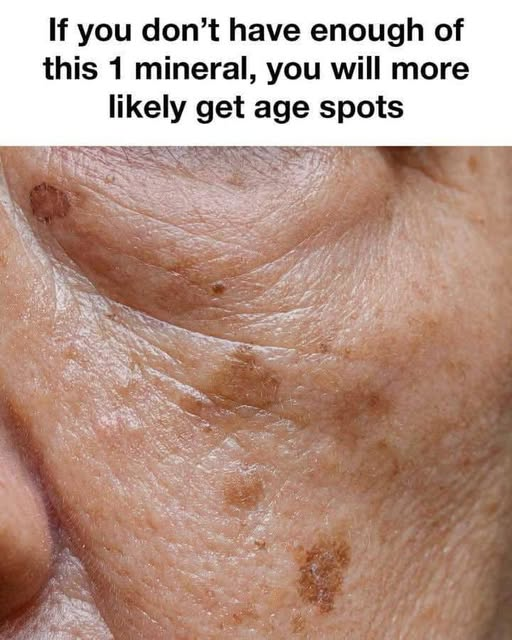
Aging is both beautiful and a privilege. Though we often complain about old age and the things that come along with it, the reality is that many of us are not so lucky as to reach an age in which they can complain of these things. That being said, there is a difference between fighting our age and stressing over it and doing things so that as we age, we do so in a way that maintains our health and vitality. Our skin is a major part of that. One of the most common grievances with aging skin, that cause many people to feel rather self conscious, are what we call age spots. Thankfully, there are plenty of ways to both prevent and treat these spots so that you can feel confident in your skin and maintain the health of your skin long into old age.
x
What Are Age Spots?
Source: Shutterstock
Also known as liver spots, sun spots, or solar lentigines, these are darker spots that appear on the skin as we age. They are more commonly seen in adults over the age of 50 but also can appear in younger people who have had a lot of exposure to the sun. Age spots are not necessarily dangerous to your health and can be treated cosmetically. That being said, if you have a lot of these liver spots, it can make it harder to identify spots that could potentially be life-threatening, such as melanoma spots. Thankfully, the same thing that generally causes age spots is the same that causes skin cancer, and the route to prevention of both of these conditions is more or less the same.
Why Are They Sometimes Called ‘Liver Spots’?
Source: Shutterstock
Age spots are sometimes referred to as liver spots. This is due to a historical belief that they were caused by liver problems. However, the term “liver spot” is somewhat of a misnomer, as we now know that age spots are not related to liver function or liver disease. The association likely originated from a misunderstanding of the actual cause of these skin blemishes, which is sun exposure rather than liver health. Age spots are primarily caused by years of cumulative sun exposure, leading to the localized overproduction of melanin in the skin. As a result, the more accurate term “age spot” or ‘sun spot’ is often preferred in dermatology to describe these pigmented skin lesions.
Causes of Age Spots
Source: Shutterstock
These hyperpigmented spots that develop do so as a response to high exposure to UV light, aka sunshine. They are essentially overactive pigment cells reacting to sun exposure, purposely darkening your skin in order to protect you from too much sun. They are most common in people with lighter skin colors and are most often seen in areas that experience more sun exposure. These include the shoulders, neck, face, hands, and perhaps the arms and legs. A phenomenon called Melanin clumping, or high concentrations of melanin, also contributes to age spots. Again, this is often in response to sun exposure. Sun isn’t the only culprit, however. The use of tanning lamps and tanning beds, which also use UV light, can cause sun spots. Your history of sun exposure and sunburn can have a big impact on how many age spots you develop, their size, and their color. As already mentioned, this exact same thing is what can cause melanoma, or skin cancer, to develop. This is why preventing age spots is important: Not necessarily so you age ‘well’, as society would put it, but so that you protect yourself from one of the world’s deadliest, yet most preventable, cancers.
Social media users are criticizing the Trump administration not only over escalating military action against Iran but also over the operation’s reported name, “Operation Epic Fury,” which…
Modern LED headlights are designed to illuminate the road more effectively. However, their whiter, more concentrated beams can easily overwhelm tired eyes, especially during rain or when…
The Supreme Court has allowed a federal policy to take effect requiring U.S. passports to list sex designations consistent with biological sex assigned at birth. The decision…
Medical professionals are urging patients to maintain calm vigilance regarding their health. The advice comes with a simple but crucial message: awareness saves lives.Patients should regularly review…
Donald Trump’s recent statements about Iran reveal a troubling blend of personal security and international policy. He has warned that any assassination attempt against him would trigger…
During remarks in 2025, Donald Trump attempted to balance menace with a fleeting promise of peace. He spoke of wanting nations to peacefully coexist, yet immediately vowed…