M-80 explosives, often simply called “M-80s,” are among the most talked-about firecrackers in American culture. Known for their powerful bang, these firecrackers have an intriguing history rooted in military applications. Though they’ve transitioned over time to civilian fireworks, their potency has sparked myths, legal debates, and even safety concerns. Let’s dive into the real story of M-80s, from their origins to their modern-day restrictions and realities.
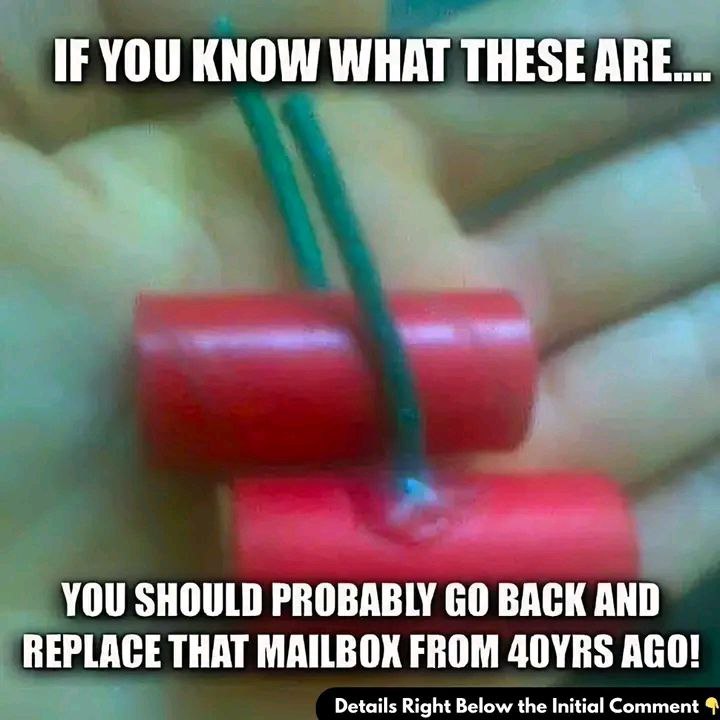
What Are M-80s?
M-80s are large, loud firecrackers with a storied background. They were initially developed during the mid-20th century by the U.S. military to simulate battlefield sounds, helping train troops in realistic conditions. The name “M-80” is military in origin, with “M” denoting “standard” equipment, while “80” refers to the original amount of flash powder, approximately 80 grains (or 5.2 grams).
Eventually, M-80s entered the consumer fireworks market, but in a modified form. These consumer versions typically consist of a small red cardboard tube filled with about 45 grains (3 grams) of flash powder. They feature a cannon or Visco fuse for ignition, making them popular among fireworks enthusiasts.
How M-80s Differ from Regular Firecrackers
What sets M-80s apart is their explosive strength. Unlike regular firecrackers, which primarily use black powder, M-80s contain flash powder, a more volatile substance that produces a much louder and sharper sound. Because of this, they are classified as “salutes,” a type of pyrotechnic focused on creating noise rather than visual effects.
The Complex Legal Landscape of M-80s
The legality of M-80s is a patchwork of regulations that vary significantly based on geography. The risks associated with their high flash powder content have led to stringent rules, especially concerning public safety.
M-80s in Canada
In Canada, M-80s are outright banned. Their import, possession, transportation, storage, and manufacture are all illegal. Authorities classify them as hazardous materials due to the potential for severe injuries or property damage.
M-80s in the United States
The United States has seen evolving regulations regarding M-80s since the 1960s. The Federal Hazardous Substances Labeling Act of 1966, later reinforced by the Child Protection Act, limited the amount of explosive material allowed in consumer fireworks. In 1975, the most notable regulation set the maximum flash powder in consumer fireworks to 50 milligrams—significantly lower than the original 5.2 grams in authentic M-80s.
Consequently, traditional M-80s are illegal for the general public, with only licensed individuals allowed to possess them. Smaller firecrackers with up to 50 milligrams of flash powder are still available for purchase, although they are less powerful than true M-80s. These consumer-grade fireworks, while legal, can still be dangerous if mishandled.
Federal Licensing for M-80s
Those holding a federal explosives license from the Bureau of Alcohol, Tobacco, Firearms and Explosives (ATF) can legally purchase M-80s for specific uses, such as agriculture. Farmers sometimes use them to deter wildlife from crops, leveraging the explosive noise rather than firepower.
Spotting Fake M-80s
Due to heavy regulations, many imitation M-80s have surfaced in the market. These fakes often mimic the appearance of authentic M-80s, featuring the iconic red tube design but containing significantly less flash powder, usually between 30 and 50 milligrams. To appear larger, these knock-offs might include plaster or filler material, making them less potent than the real thing.
True M-80s are tightly packed with flash powder and have paper end caps, while the imitations may feature different fuse placements or protruding fuses, indicating they’re not genuine.
Myths vs. Reality: Are M-80s Like Dynamite?
A common myth is that M-80s are as powerful as dynamite or represent a “quarter stick of dynamite.” This claim is far from true. While M-80s have a notable amount of flash powder, dynamite is a high explosive made from nitroglycerin, making it much more powerful. M-80s, on the other hand, are low explosives. Though they can be dangerous, their impact is significantly lower than that of dynamite.
The Dangers of M-80s
M-80s pose serious risks when not handled properly. Their high flash powder content can cause burns, hearing damage, or even severe injuries like limb loss. Because of these dangers, their sale, possession, and use are highly regulated, and they are primarily restricted to professional handlers with specific training.
Even smaller consumer-grade firecrackers can be risky, especially when used improperly. Lighting multiple devices at once or attempting modifications increases the likelihood of accidents, reinforcing why fireworks safety guidelines are crucial.
Conclusion: The Legacy of M-80s
M-80s have transitioned from military use to consumer fascination to regulated explosives. Despite reduced availability, they remain a symbol of fireworks’ allure and danger. Their history and regulation highlight the balance between recreational use and safety. Whether viewed as a historical artifact or a cautionary tale, M-80s continue to capture the interest of fireworks enthusiasts.
