Parker’s Foundation Fastener: The 1800s Beekeeping Tool I Didn’t Know I Needed
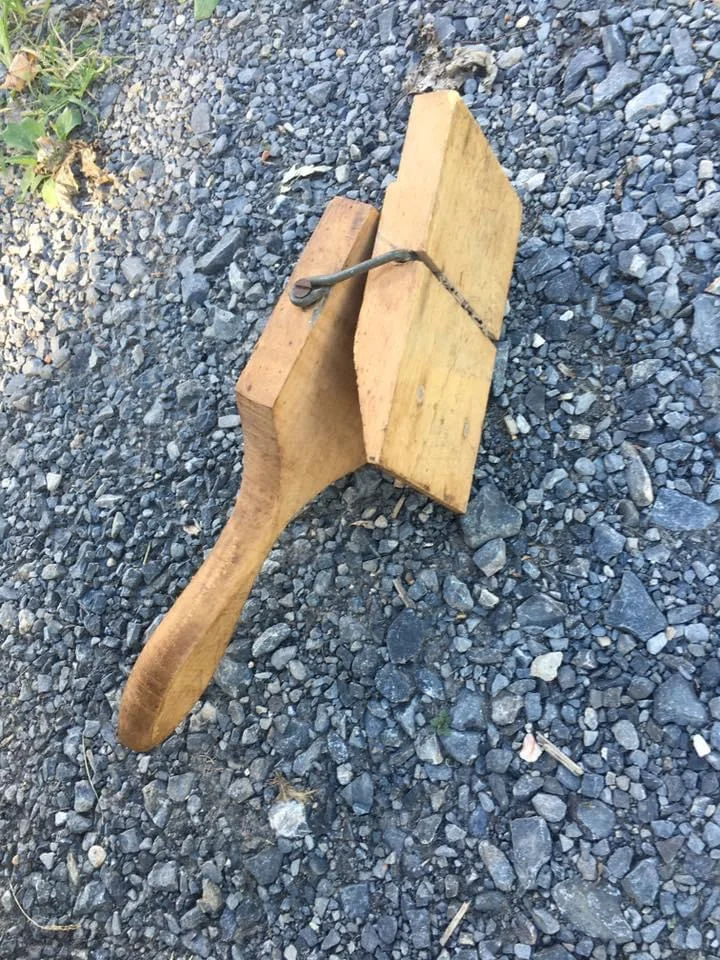
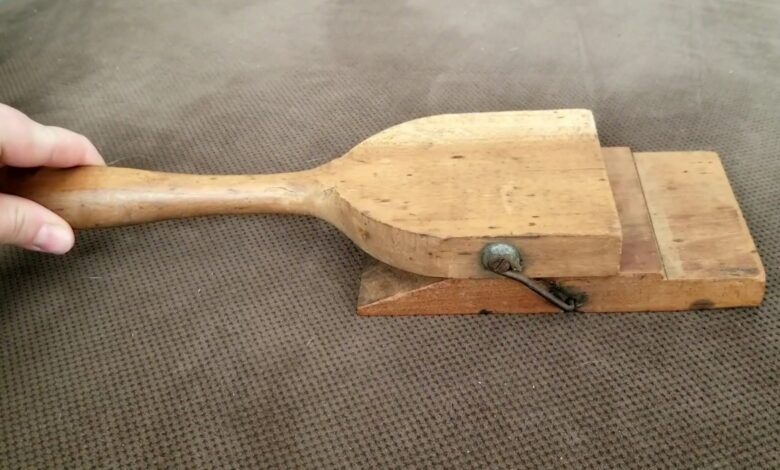
The first time I saw it, I thought it was a kitchen tool or maybe a woodworking gadget. I wasn’t even close. This curious contraption tells the story of 19th-century beekeeping innovation. Enter Parker’s Foundation Fastener—a simple, brilliant device that transformed hive management.
How It Worked
Beekeepers used it to press wax foundation sheets firmly into hive frames. Bees then built orderly honeycombs on these sheets, reducing waste and boosting productivity. Before Parker’s invention, securing wax inside a warm, bustling hive was tricky. His fastener solved that problem, keeping the foundation from slipping or warping as the bees did their work. A small metal clip held everything in place—subtle but genius.
Why It Mattered
Back then, honey wasn’t a luxury—it was essential. A sweetener, preservative, and sometimes currency. Parker’s tool made every hive more efficient, yielding more honey and healthier colonies. Today, it’s a reminder of the ingenuity that powered small farms and sweetened early kitchens. And frankly, it makes me appreciate my local honey stand even more.