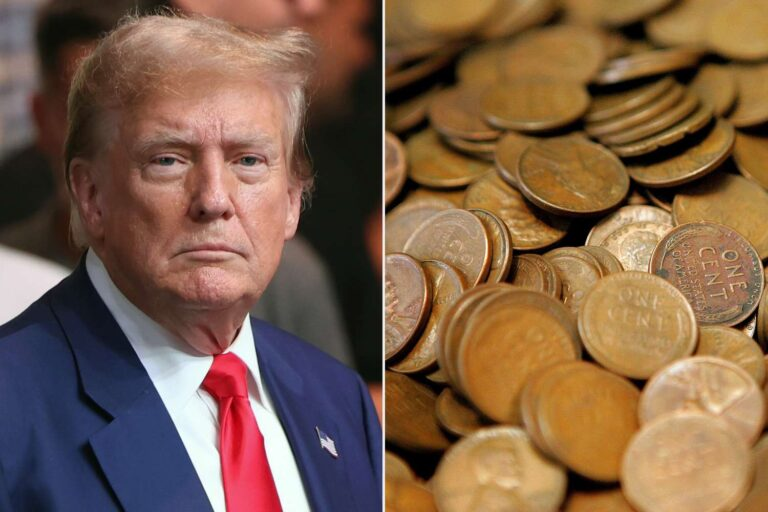
The U.S. government has taken a large step toward finally eliminating the penny.
The Treasury Department recently placed its final order of penny blanks to print the one-cent coins, and meaning new pennies will stop being put into circulation around early 2026.
Eliminating the penny has been a bipartisan issue for years, as rising production costs mean the coins cost more to print than they’re worth.
The U.S. government took another step toward eliminating the penny this month, with the Treasury Department placing its final order of penny blanks to print new one-cent coins.
The move came after President Donald Trump announced on Feb. 9 that he had instructed Treasury Secretary Scott Bessent to “stop producing new pennies.”
“For far too long the United States has minted pennies which literally cost us more than 2 cents,” Trump wrote on Truth Social. “This is so wasteful!”
“Let’s rip the waste out of our great nation’s budget, even if it’s a penny at a time,” the president added.
Eliminating the penny has been a bipartisan issue for years, with both Trump and President Barack Obama, as well as both chambers of Congress, calling for an end to the one-cent coin.
The president is also correct in calling the penny “wasteful,” even underestimating the cost.
Over the past 10 years, the Treasury estimates that the cost of producing one penny has risen from 1.3 cents to 3.7 cents. In February, the U.S. Mint estimated that it lost around $85 million producing 3 billion pennies in 2024.
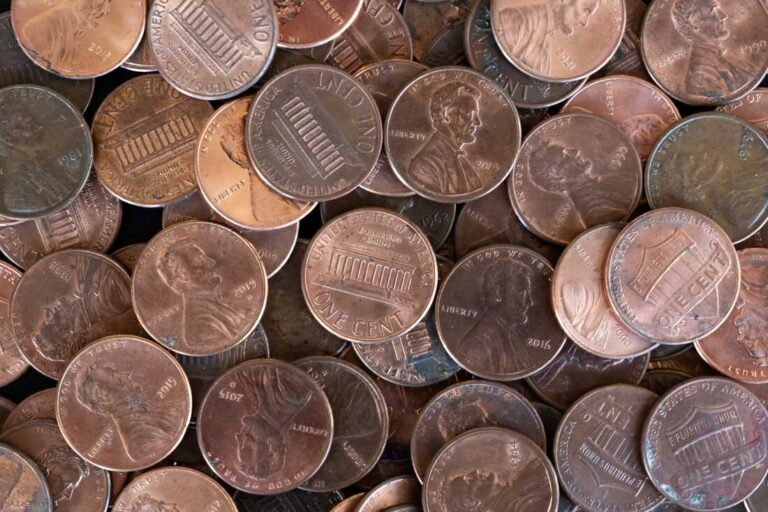
The Wall Street Journal reported Americans discard up to $68 million in change yearly, with more stuck in coin jars. The Treasury plans to stop minting pennies by early 2026, phasing them out as digital payments dominate. Cash transactions will likely round to five-cent increments, similar to Canada’s approach since 2012.
