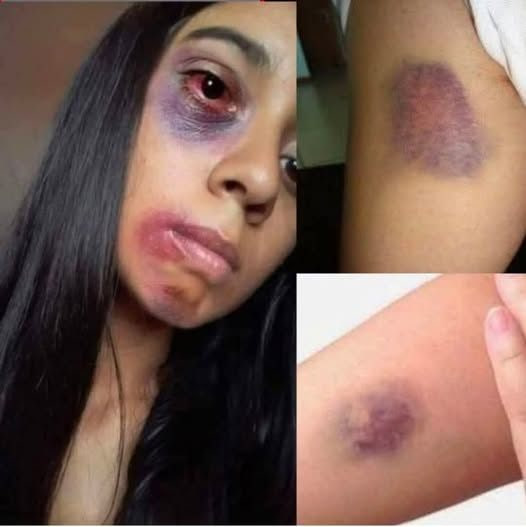
Domestic violence, or intimate partner violence (IPV), is a widespread human rights and public health issue. According to the World Health Organization, one in three women globally has experienced physical or sexual abuse by a partner. While anyone can be affected, women and girls are disproportionately impacted.
Defined by the CDC, domestic violence includes physical, sexual, emotional, psychological, or financial abuse. It manifests through hitting, intimidation, control, isolation, and coercion. Victims often endure long-term trauma, mental health struggles, and economic hardship.
Recognizing abuse is critical. Warning signs may include unexplained injuries, isolation, anxiety, or extreme partner control. Survivors may suffer from PTSD, chronic illness, or job loss, while children exposed to abuse are at higher risk of future violence.
Legal protections exist worldwide—from the U.S. Violence Against Women Act to the EU’s Istanbul Convention. Community efforts, such as public education, safe spaces, and professional training, are vital.
Digital platforms must responsibly raise awareness, avoiding retraumatizing content. Globally, campaigns like UNiTE and #16Days of Activism drive reform.
Ending domestic violence requires collective action, empathy, and a commitment to safety and dignity for all.
