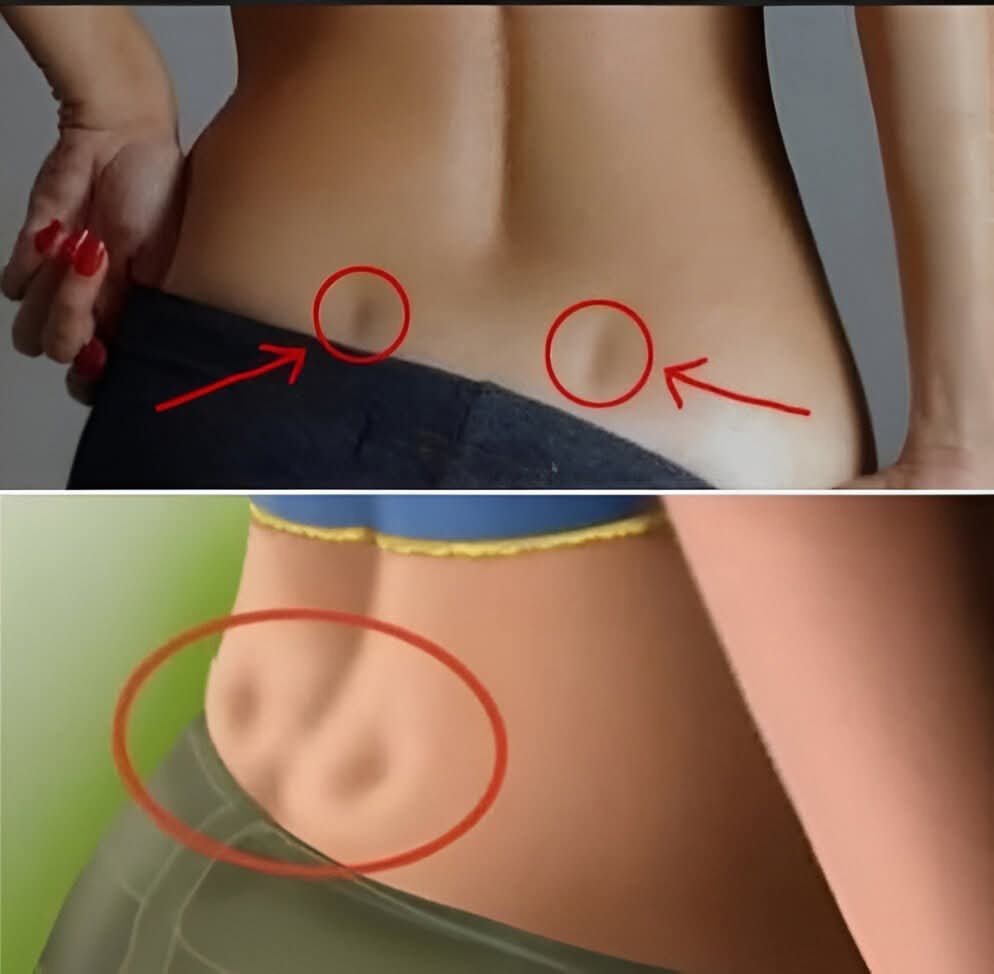
Have you ever noticed two small indentations on your lower back, just above the buttocks? These small, symmetrical hollows are commonly known as lower back dimples, or more specifically, “dimples of Venus” in women and “Apollo holes” in men.
While these subtle indentations may be associated with beauty or physical fitness in popular culture, what do they really mean? Are they medically significant? Can they tell you anything about your health?
This article explores the anatomy behind these lower back dimples, their origin, and what science actually says about them—free from myths and speculation.
What Are Lower Back Dimples?
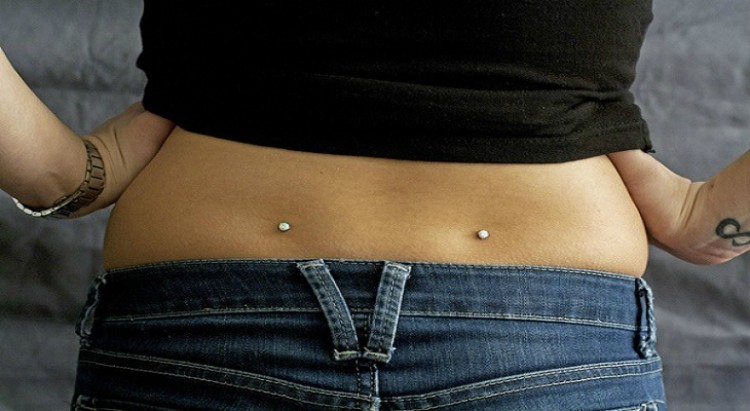
Lower back dimples are small indentations located near the lower part of the spine, usually on either side of the sacroiliac joint. These dimples are not medical conditions but rather natural variations in anatomy. They are typically caused by the structure of the posterior superior iliac spine (PSIS), which is part of the pelvic bone.
In simple terms, these dimples occur where skin and ligament tissue are drawn inward due to the underlying bone structure. They are most visible in individuals with low body fat and well-defined musculature in the lower back and pelvic region.
Why Are They Called “Dimples of Venus”?

The name “Dimples of Venus” is a nod to Venus, the Roman goddess of love, beauty, and fertility. These dimples have been romanticized in literature and visual art for centuries as features of physical allure, especially among women.
In contrast, when they appear on men, they are sometimes referred to as “Apollo holes,” named after Apollo, the Greek god associated with strength and youthful beauty.
Though these names are based on mythological references, they have no bearing on medical or scientific classifications.
Are Venus Dimples Common?
Yes, but their visibility depends largely on body composition and genetics. Not everyone has prominent lower back dimples, and that’s perfectly normal. These anatomical features are:
- Not related to health conditions
- Not signs of illness or risk
- Not something that can be created or removed intentionally
Contrary to some online myths, Venus dimples cannot be “trained” into appearance through exercise, nor are they a sign of superior health or sexual capability. They are either naturally present due to bone structure and connective tissue or they are not.
The Anatomy Behind the Dimples
The small depressions occur where the skin is drawn inwards by the short ligaments connecting the skin to the posterior superior iliac spine, part of the pelvic bone. In individuals with:
- Low subcutaneous fat,
- Prominent pelvic bone structure,
- Strong underlying muscle tone,
…these indentations may appear more visibly. This is why athletes, dancers, or individuals with lean physiques may show more defined lower back dimples.
Do Lower Back Dimples Indicate Good Health?
There is no scientific evidence linking the presence of lower back dimples to health status, fertility, or sexual performance. While it’s true that visible dimples may correlate with lower body fat percentage, they should not be used as a marker for overall health.
Some articles and viral posts online suggest that people with these dimples experience better blood flow or enhanced physical function. However, such claims lack support from peer-reviewed medical research.
