 Acne is a common skin condition that can affect people of all ages and genders. It is most commonly seen on the face, chest, back, and shoulders. Acne can cause both physical and emotional problems, such as scarring and low self-esteem.
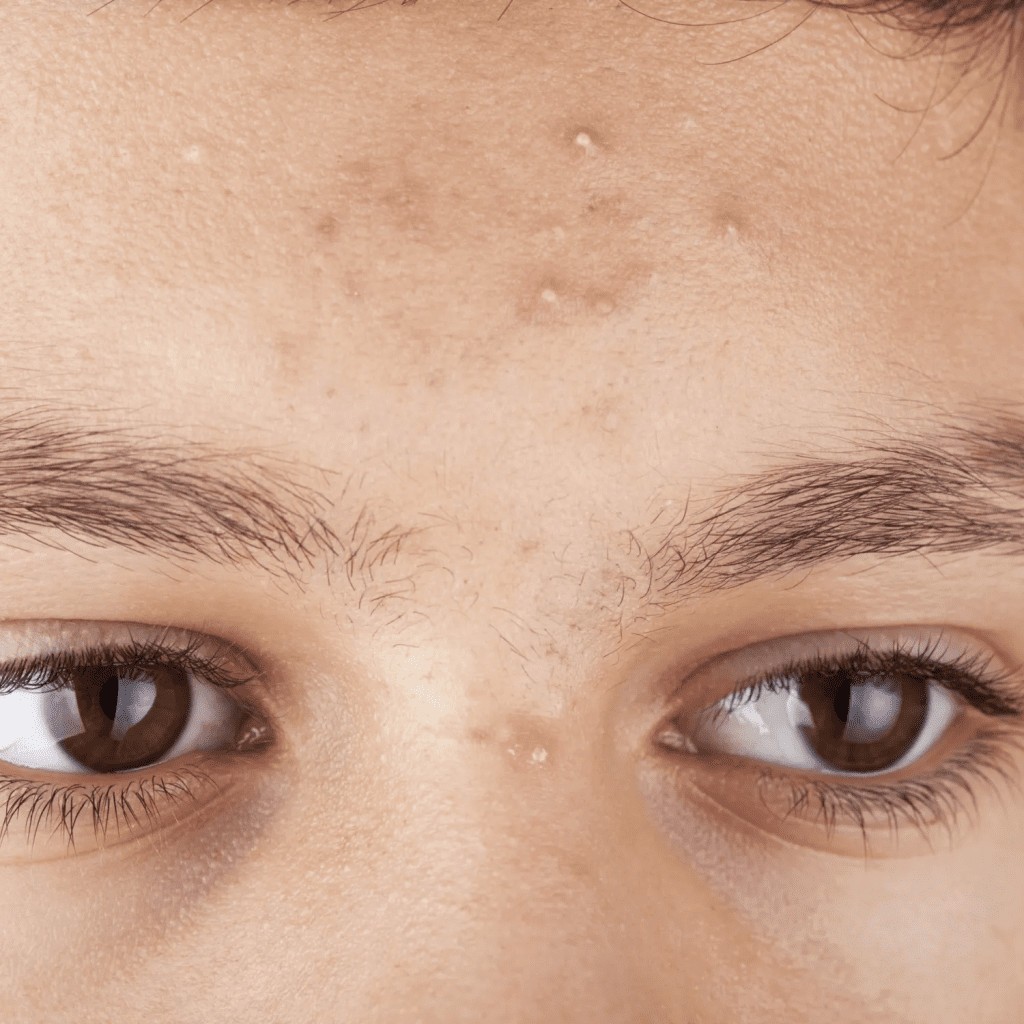
Increased oil production: Oil, also known as sebum, is a natural substance produced by the skin to keep it hydrated. However, when the oil glands produce too much oil, it can clog pores.
Dead skin cells: Dead skin cells that build up on the surface of the skin can also clog pores.
Bacterial infection: P. acnes is a type of bacteria that normally lives on the skin. When pores become clogged, this bacteria can grow and cause inflammation, leading to acne.
Hormones: Acne is more common during adolescence, when hormone levels are high.
Lifestyle factors: Unhealthy diet, stress, and the use of certain cosmetics can also contribute to acne.
Acne is classified into several different types, based on the severity and appearance of the lesions.
Blackheads: Blackheads are the mildest type of acne, and they occur when pores are clogged with oil and dead skin cells. Blackheads are black or brown in color because they are exposed to oxygen.
Whiteheads: Whiteheads are similar to blackheads, but the pores are clogged with oil and dead skin cells that are not exposed to oxygen. As a result, whiteheads are white or yellow in color.
Pimples: Pimples are a more severe type of acne that occur when pores become infected. Pimples are typically red and contain white or yellow pus.
Nodules: Nodules are the most severe type of acne, and they occur when pores become severely infected. Nodules are typically large, painful, and can leave scars.

The treatment for acne will vary depending on the type and severity of the acne.
Treatment for mild acne: For mild acne, over-the-counter products such as cleansers, creams, and gels may be effective.
Treatment for moderate acne: For moderate acne, prescription medications such as benzoyl peroxide, salicylic acid, retinoids, or antibiotics may be necessary.
Treatment for severe acne: For severe acne, oral medications such as isotretinoin may be required.
In addition to medical treatment, there are some lifestyle changes that can help prevent and improve acne, such as:
Wash your face twice a day with a gentle, oil-free cleanser.
