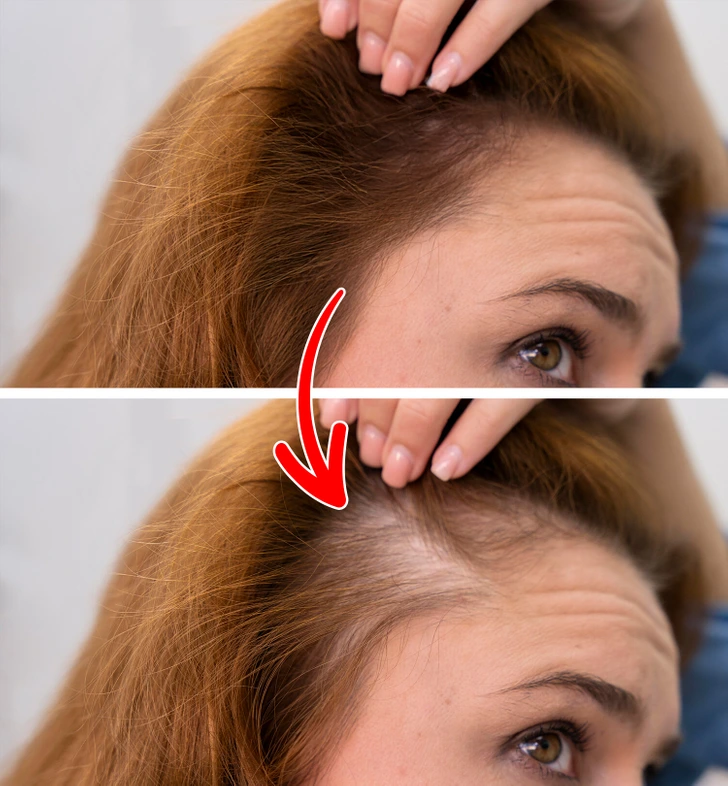
Unexpected hair loss on the scalp, eyebrows, or eyelashes can be an early sign of melanoma. Tumors may damage hair follicles, causing scarring and permanent bald patches. If hair loss appears suddenly, worsens over time, or occurs in unusual patterns, consult a dermatologist—it could signal something more serious
Melanoma can appear on hidden areas like the soles or palms, especially in darker skin tones. These spots may resemble calluses or warts and often go unnoticed. If a lesion is persistent, discolored, raised, or bleeds, seek medical advice promptly—early detection is key to preventing serious outcomes.

Changes in skin texture are another warning sign that people often overlook. While many assume that melanoma always starts in a pre-existing mole, the reality is that it most often begins as a new spot on the skin. These new spots may look like scaly patches, raised bumps, or open sores. They might feel dry or rough and may even bleed occasionally. Unlike moles, which tend to have a familiar look and texture, melanoma spots often seem out of place. They can evolve over time, becoming more pronounced, itchy, or irritated. The key is to pay attention to any changes on your skin that don’t feel normal — especially new growths that don’t match the rest of your skin.
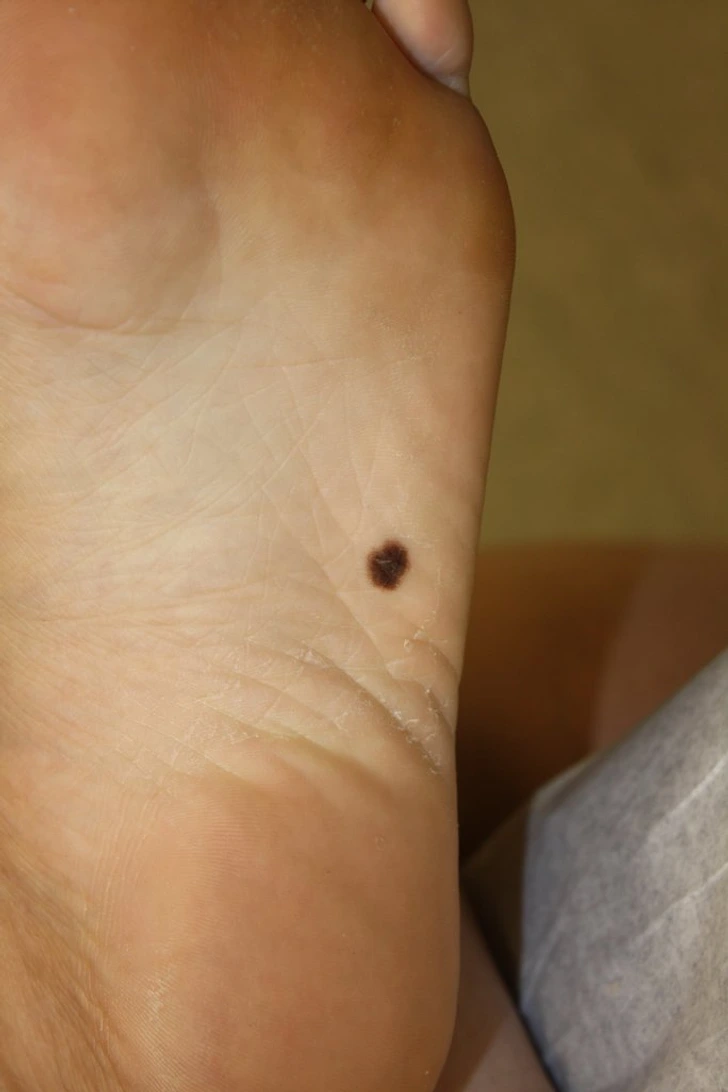
Another surprising place melanoma can hide is beneath your fingernails or toenails. A dark streak, irregular spot, or pigment under the nail could be a sign of subungual melanoma, a rare but serious type of skin cancer. It often resembles a bruise and can easily be mistaken for one. Unlike typical bruises, though, these marks don’t fade over time. They’re also not associated with any known injury. This type of melanoma doesn’t usually cause pain, which makes it even easier to ignore. That’s why it’s important not to dismiss discoloration under the nails — especially if it’s dark, doesn’t grow out with the nail, or appears suddenly without explanation.
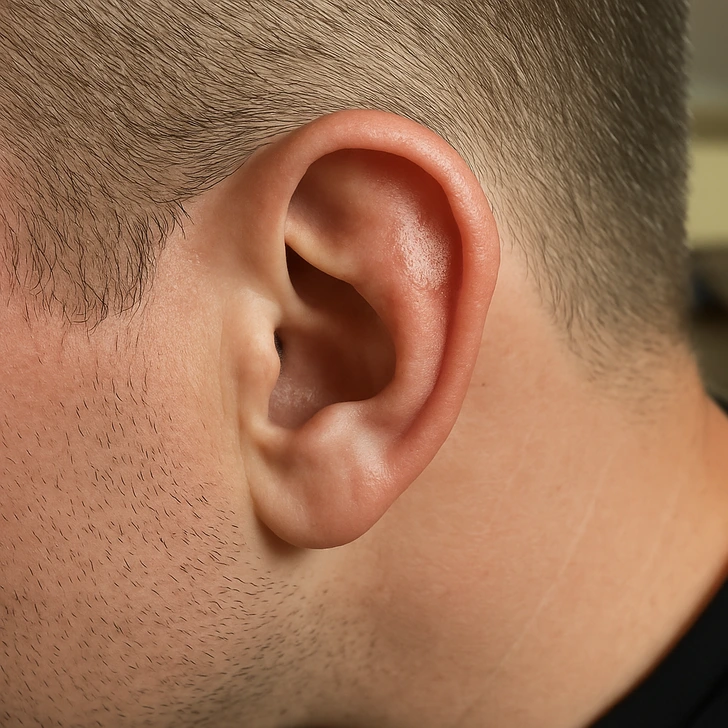
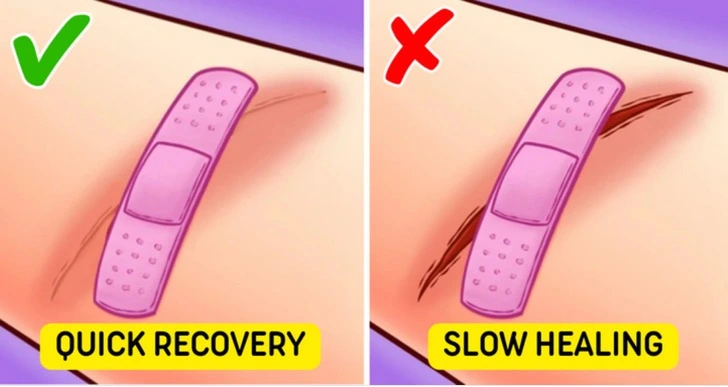
Ultimately, the biggest takeaway is that melanoma doesn’t always present itself in obvious ways. Sometimes it whispers instead of shouting. It might show up as a patch of missing hair, a streak under your nail, or a wound that won’t heal. That’s why it’s so important to be proactive about your skin health. Regular self-checks, dermatologist visits, and a willingness to investigate anything that seems “off” can make all the difference. When in doubt, trust your instincts and get it checked — it’s better to be cautious than to regret waiting too long.
This content is for informational purposes only and is not a substitute for professional medical advice. If you notice any of the signs mentioned above or have concerns about your skin health, speak to a licensed healthcare provider right away.
