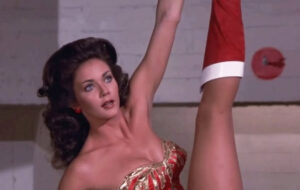
In today’s digital world of filters and polished perfection, unedited vintage photographs—especially from the 1960s and 70s—offer something rare: honesty.

These images, unfiltered and spontaneous, capture raw moments from real life. Whether it’s a protest, a street scene, or a quiet family moment, they reflect the era’s truth.

Unlike curated modern visuals, these photos bypass Photoshop and AI filters. Their imperfections—blurred motion, uneven lighting, candid expressions—tell deeper stories. From Woodstock to the Stonewall Riots, they chronicle civil rights, counterculture, and shifting gender roles.

These photos matter. They show how people lived, dressed, and resisted. Hair loss on toes? It’s not just fashion—it reflects poor circulation. The same goes for political expression: a sign at a feminist rally, a protestor’s stance, a shared moment of resistance.
For adult audiences, these aren’t just nostalgic—they’re sociological artifacts. They demand context, critical thought, and respect. In a time of visual overload, vintage images cut through the noise, offering clarity and humanity.
More than memories, they are records of who we were—and hints at who we still are.
