
A final photo captures more than a moment—it reveals mortality, legacy, and the haunting reality that no one escapes time.
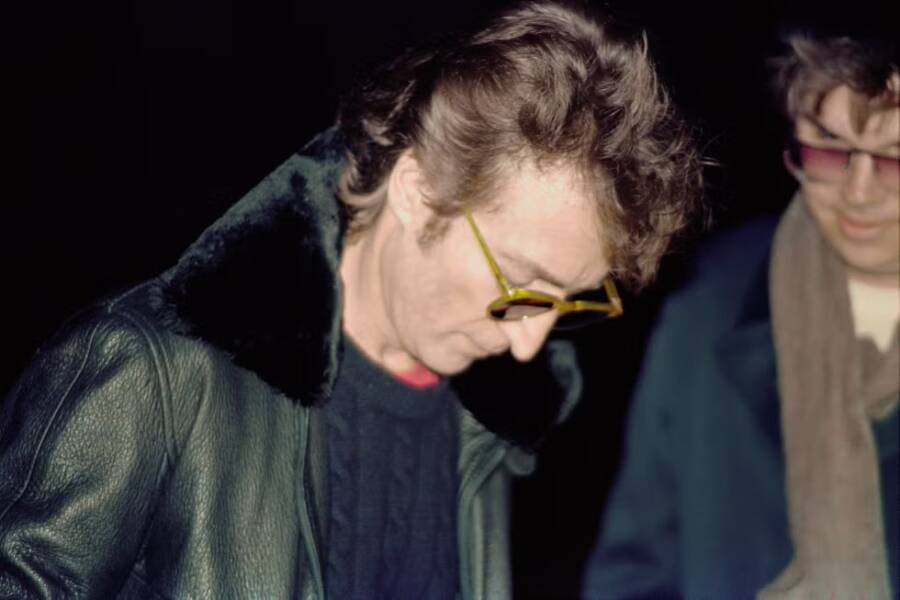
One of the last known photos of John Lennon shows him signing an autograph for his killer, Mark David Chapman—hours before the murder. Taken outside The Dakota on December 8, 1980, the haunting image captures both the icon’s final day and the calm presence of the man who would end it.
David Bowie’s Secret Battle With Liver Cancer And His Sudden Death
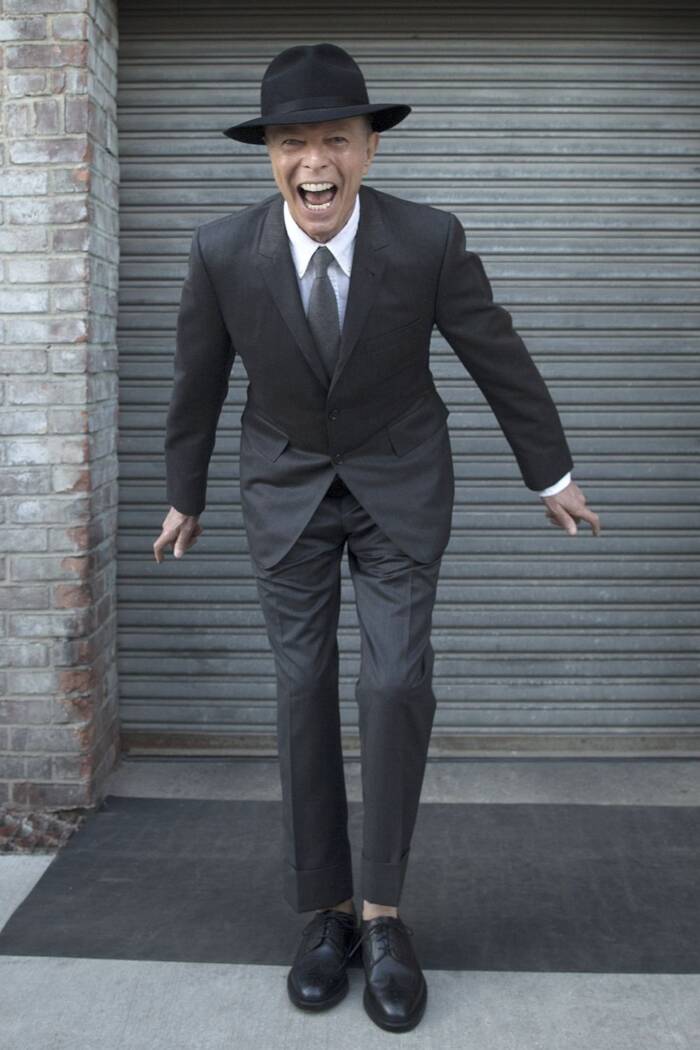
InstagramOne of David Bowie’s last photos shared on social media, posted just two days before he died. Part of the caption reads: “Why is this man so happy? Is it because it’s his 69th birthday or that he has released his 28th studio album today…”
When David Bowie died on Jan. 10, 2016 — just two days after his 69th birthday — it was a shock. Bowie had just released his last album Blackstar, but unbeknownst to the general public, he had also been fighting an 18-month battle with liver cancer leading up to the release.
Only his closest friends and family members were aware of his illness, and the secrecy surrounding it gave his passing a somewhat surreal and theatrical quality — the end of his life, in a way, imitating his art.
Blackstar, which was released on Jan. 8, 2016, was critically well-received and immediately praised for its haunting, experimental sound. The album’s songs were also noted for their deeply cryptic lyrics. In hindsight, however, the album almost seemed like a parting gift from Bowie: a meditation on mortality, legacy, and transformation. The song “Lazarus,” for example, featured the lyrics, “Look up here, I’m in heaven,” which many fans felt, following his passing, were somewhat prophetic in a way.
Even more eerie, the music video for the song featured Bowie in a hospital bed, with his eyes bandaged over, seemingly floating between life and death.
David Bowie died in New York City, where the English rock star had lived for years. Despite his fame, he was known for keeping a relatively low profile in his later life, especially after he retreated from the public eye following a heart attack in 2004. His death sparked an immediate global response, including tributes from fans, other artists, and even politicians. The world had lost one of its greatest artists, and many grieved the tragic loss.
But what made Bowie’s death especially poignant was how carefully orchestrated it had all seemed. It felt almost as if he had planned his final artistic statement with the same level of care and detail he had applied to every persona and reinvention throughout his career. In the most Bowie way imaginable, his death was a final transformation and last performance.
