Understanding Varicose Veins: Causes, Symptoms, and Treatment
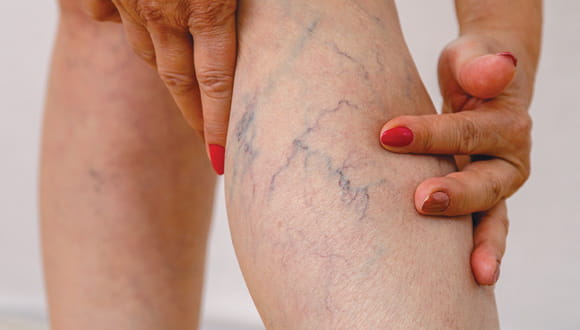
Varicose veins are enlarged, twisted veins—usually on the legs—caused by faulty valves that allow blood to pool. Visible under the skin, they can cause pain or be purely cosmetic. According to the NIH, about 20% of adults suffer from them, with women at higher risk due to hormones and pregnancy.
Common Causes and Risk Factors
Varicose veins stem from chronic venous insufficiency. Risk factors include prolonged standing, aging, obesity, genetics, pregnancy, and hormonal changes such as menopause.
Symptoms
Typical signs include blue or bulging veins, leg heaviness, cramps, itching, swelling, and skin changes. Severe cases may lead to ulcers or clots.
Diagnosis
Doctors use physical exams and tests like duplex or Doppler ultrasound.
Treatment Options
Conservative care includes compression stockings, exercise, leg elevation, and weight management. Minimally invasive options include sclerotherapy, laser ablation, and phlebectomy. Surgery is rare but available.
(Source: Cleveland Clinic)
Prevention Tips
Prevention Tips
Stay active, avoid tight clothes and high heels, elevate your legs, and don’t sit or stand for too long.
When to Seek Help
Consult a s
Understanding Varicose Veins: Causes, Symptoms, and Treatment
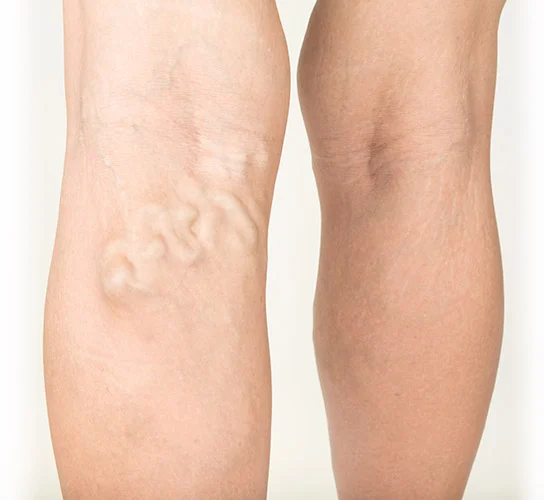
Varicose veins are enlarged, twisted veins—usually on the legs—caused by faulty valves that allow blood to pool. Visible under the skin, they can cause pain or be purely cosmetic. According to the NIH, about 20% of adults suffer from them, with women at higher risk due to hormones and pregnancy.
Common Causes and Risk Factors
Varicose veins stem from chronic venous insufficiency. Risk factors include prolonged standing, aging, obesity, genetics, pregnancy, and hormonal changes such as menopause.
(Source: NIH MedlinePlus)
When to See a Specialist
Symptoms
Typical signs include blue or bulging veins, leg heaviness, cramps, itching, swelling, and skin changes. Severe cases may lead to ulcers or clots.
Diagnosis
Doctors use physical exams and tests like duplex or Doppler ultrasound.
Treatment Options
Conservative care includes compression stockings, exercise, leg elevation, and weight management. Minimally invasive options include sclerotherapy, laser ablation, and phlebectomy. Surgery is rare but available.
Prevention Tips
Stay active, avoid tight clothes and high heels, elevate your legs, and don’t sit or stand for too long.
When to Seek Help
Consult a specialist if symptoms worsen. Early care can prevent complications.
pecialist if symptoms worsen. Early care can prevent complications.
