 When my sister named her newborn son Martin—my name—I brushed it off as odd. But weeks later, after our mother’s death and a shocking revelation in her will, everything made sense.
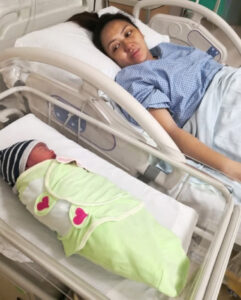
The day Emily gave birth, the hospital halls were cold and sterile. I sat with Jake, her husband, in uneasy silence. When the nurse finally called us in, Emily lay pale but smiling, cradling a baby boy. “Meet Martin,” she said.
“You mean…?” I asked, stunned.
She shrugged. “It’s a good name.”
I smiled, but unease settled in.
Weeks passed quietly—until one late call. “Mom’s gone,” Emily whispered. Our mother had passed in her sleep. Grief hit like a storm.
At the house, we sat in silence, surrounded by memories and floral furniture. But something felt off.
Then came the will: Mom had left everything to Emily. I was mentioned… once. A small keepsake. That’s when it hit me—Emily had planned it. The name, the care, the closeness. A campaign.
Not love. Strategy.
My name was a placeholder. A legacy, reassigned.
And in that moment, I realized: blood may bind us, but it doesn’t always make us family.
