Your feet might not be the first place you think of when you hear “heart health”, but they can tell you a lot about your cardiovascular system. Symptoms in your feet like pain, numbness, or swelling, could be indicative of serious heart problems or clogged arteries. Peripheral artery disease (PAD) and coronary artery disease (CAD) are two serious types of atherosclerosis that might manifest in your feet and signal restricted blood flow from plaque in your arteries.1
Understanding Peripheral Artery Disease (PAD)
Peripheral artery disease is when plaque build-up leads to clogged arteries, causing significant discomfort and limited mobility in your extremities (usually your legs and feet). According to the Cleveland Clinic, PAD leads to leg and foot pain, cramping, and in severe cases progress, limb loss. If you’re experiencing symptoms like difficulty standing for long periods or having frequent leg cramps, you should seek medical screening for PAD.
How Your Feet Could Be Signaling Heart Problems and Clogged Arteries
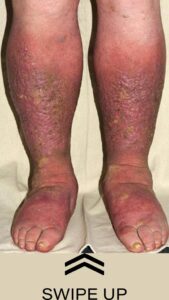
Your feet can be silent messengers of your heart health. Symptoms like pain, numbness, or swelling may signal serious cardiovascular issues, including clogged arteries. Peripheral artery disease (PAD) and coronary artery disease (CAD) are forms of atherosclerosis that often manifest in the feet due to restricted blood flow.
Understanding PAD and Clogged Arteries
PAD occurs when plaque buildup narrows arteries, reducing blood flow to your legs and feet. Common symptoms include cramping, pain while walking, or numbness. Severe PAD can lead to limb loss. Doctors may perform an ankle-brachial index (ABI) test to check blood pressure differences between your arm and ankle, helping identify blockages early.
Poor Circulation and Foot Health
Poor circulation deprives tissues of oxygen, causing pain, slow healing, and swelling. Diabetics are at higher risk due to nerve damage and poor blood flow. Heart failure may also lead to swollen legs and feet.
Prevention and Care
Regular exercise, a heart-healthy diet, avoiding smoking, and managing blood sugar and cholesterol levels are key. Pay attention to foot symptoms—they might just be your heart’s early warning signal. Consult your doctor promptly.