A shocking time-lapse video shows flash floods rapidly engulfing Kerr County, Texas, during the July 4th weekend. The disaster claimed at least 51 lives, with several children from Camp Mystic still missing. The video highlights the terrifying speed of nature’s force as rescue efforts continue across devastated areas.
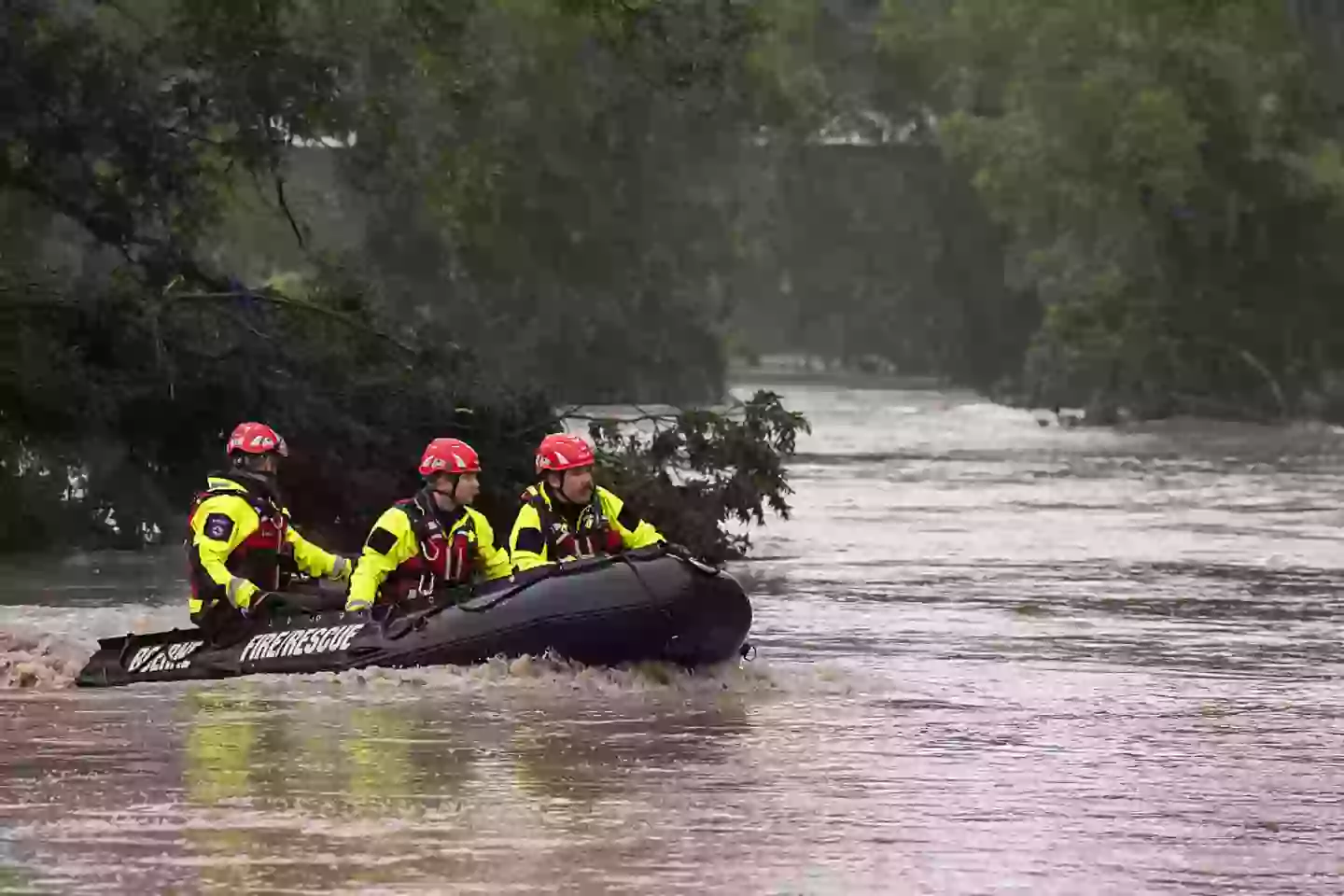
Weather forecasters are working to provide accurate predictions about future precipitation patterns, though the same meteorological complexity that contributed to the initial disaster continues to make precise forecasting challenging. Emergency management officials are balancing the need to continue search operations with the requirement to protect rescue personnel from additional weather-related hazards.
Community Impact and Long-Term Recovery
The disaster has fundamentally altered the affected community, with long-term recovery efforts expected to continue for months or years. Beyond the immediate human tragedy, the flooding has caused extensive property damage, infrastructure destruction, and economic disruption that will require comprehensive reconstruction efforts.
Local officials, including Kerr County Judge Rob Kelly, have acknowledged that a disaster of this magnitude was largely unforeseeable despite existing weather monitoring and emergency preparedness systems. This admission highlights the ongoing challenges communities face in preparing for extreme weather events that exceed historical precedents.
Conclusion
The Texas flash flooding disaster represents a sobering reminder of nature’s power and the vulnerability of human communities to rapidly developing natural disasters. The time-lapse documentation provides valuable insight into the speed at which emergency conditions can develop, while the ongoing search and rescue operations demonstrate both the devastating human impact of such events and the remarkable dedication of emergency responders who risk their own safety to help others.
As search operations continue and recovery efforts begin, this tragedy will undoubtedly prompt important discussions about emergency preparedness, warning systems, and community resilience in the face of increasingly unpredictable extreme weather events. The lessons learned from this disaster may prove crucial for protecting other communities from similar tragedies in the future.
