
Paris Jackson has stepped out of her father’s shadow, becoming a creative force in fashion, music, and activism. Her appearance at Chloé’s Paris Fashion Week show reignited conversations about fame, identity, and public scrutiny.
After the show, Jackson attended an exclusive dinner hosted by Chloé, where select guests from the fashion industry gathered to celebrate the brand’s newest collection. As part of her usual routine of sharing personal experiences with her followers, she posted a series of photos from the evening. These included snapshots of herself glowing with elegance, immersed in conversation with fellow attendees, and generally enjoying the exclusive atmosphere. However, one image stood out: a clear shot of the event’s printed menu.
Among the listed gourmet offerings was one particular item that triggered immediate backlash—foie gras.
For those unfamiliar with it, foie gras is a traditional French delicacy made from the liver of a duck or goose that has been force-fed to induce fatty enlargement of the organ. While celebrated in some culinary circles for its rich flavor and cultural significance, foie gras has long been at the center of ethical debates. Many animal rights organizations and activists criticize the practice as cruel and inhumane, pointing out the suffering endured by animals subjected to this kind of treatment. In response, several countries and U.S. jurisdictions have banned the production or sale of foie gras, and numerous petitions and protests continue to circulate online and within activist communities.
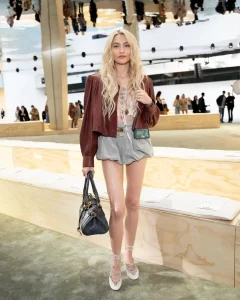
Paris Jackson’s post featuring foie gras sparked backlash, with fans questioning her vegan values and animal rights stance. In today’s digital age, even unintentional moments can ignite intense debates about authenticity and accountability.
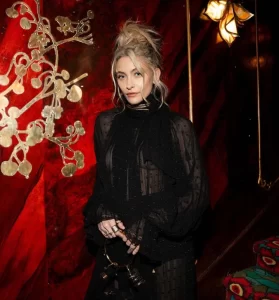
Defenders of Paris were quick to respond as well. “She didn’t cook the meal. It’s a standard dish in France,” one user noted. Others emphasized that just because foie gras was served doesn’t mean Paris ate it or approved of it. “She might not have even noticed it was on the menu,” another follower suggested. In a world where celebrity actions are dissected in real-time, these explanations might not have been enough to shield her from the wave of criticism that followed.
This incident raises broader questions about how celebrities can navigate public expectations while participating in industries that don’t always align with their values. The fashion world, for example, is increasingly making moves toward sustainability and cruelty-free practices, but not all traditions disappear overnight. Events like Paris Fashion Week remain deeply entrenched in cultural customs—some of which conflict with newer ethical standards.
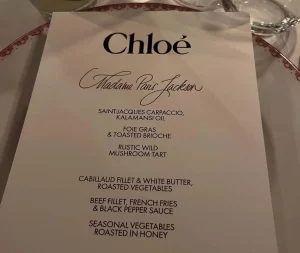
Paris Jackson faces intense scrutiny, where every action is dissected online. Her values and image invite admiration—but also judgment. A single photo can spark backlash, highlighting the fragile balance celebrities navigate.

Whether Paris responds or not, the moment highlights how fame, ethics, and social media collide. Her influence ensures even small actions spark big conversations in today’s unforgiving digital spotlight.

If you’re interested in how other celebrities navigate public backlash and balance their ideals with real-life decisions, you might want to read more stories like this one. Dive into the world of stars who passionately advocate for animal welfare while managing careers in industries not always aligned with those values. There’s more to explore about how people redefine their images, challenge expectations, and continue growing—even under pressure
