magine waking up with a sharp, blinding headache—unlike anything you’ve ever experienced.
Your vision blurs, your neck stiffens, and dizziness sets in. These could be more than just symptoms of stress or fatigue—they could be the first warning signs of a brain aneurysm. Often silent until critical, brain aneurysms can strike suddenly and without warning. Understanding their symptoms, risk factors, and treatment options could be life-saving.

What Is a Brain Aneurysm?
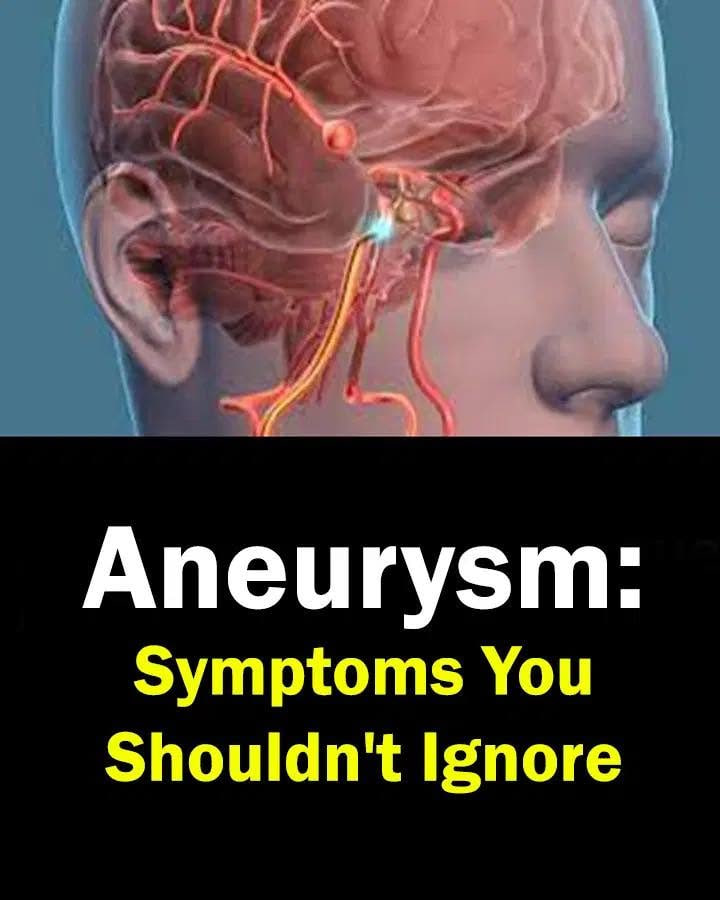
A brain aneurysm occurs when a blood vessel in the brain weakens and bulges, forming a “balloon” or bubble. This can either remain intact or rupture, leading to bleeding in the brain—a condition known as a hemorrhagic stroke.
Unruptured aneurysms can still cause pressure-related symptoms.
Ruptured aneurysms can lead to brain damage, coma, or death without immediate medical attention.
The Most Common Warning Sign: Sudden Headache

A brain aneurysm is often preceded by a sudden, severe headache—frequently described as the worst headache of one’s life.
Seek emergency care if the headache:
Comes on suddenly and intensely
Is unlike any past headaches or migraines
Is accompanied by neurological symptoms
Additional Symptoms to Watch For

Besides headache, other symptoms may include:
Blurred or double vision
Drooping eyelid
Eye pain or discomfort
Nausea or vomiting without a clear cause
Stiff neck
Extreme sensitivity to light
Numbness in the face
Ringing in the ears
Seizures
Temporary loss of consciousness
If any of these symptoms occur, immediate medical evaluation is crucial.
Who Is at Risk?
Certain lifestyle habits and genetic factors increase the risk of developing a brain aneurysm:
High blood pressure
Smoking
Excessive alcohol consumption
Use of drugs like cocaine
Family history of brain aneurysms
High cholesterol or heart disease
Inherited conditions that weaken blood vessel walls
If you have any of these risk factors, regular screening and healthy lifestyle changes are advised.
How Are Brain Aneurysms Diagnosed?
Diagnosis typically involves imaging tests, including:
CT Scan: To detect brain bleeding
MRI or MRA: For detailed imaging of brain structures and blood vessels
Cerebral Angiography: A precise method to detect and locate aneurysms
Your doctor will select the best diagnostic method based on symptoms and history.
Treatment Options
Treatment varies depending on the aneurysm’s size, location, and rupture risk.
1. Monitoring
Small, stable aneurysms may be monitored through regular scans.
2. Surgical Intervention
Clipping: A neurosurgeon places a metal clip at the base of the aneurysm to stop blood flow.
Endovascular Coiling: A catheter delivers coils to fill the aneurysm, blocking blood entry. This is less invasive and often preferred when suitable.
How to Lower Your Risk
While not all aneurysms are preventable, you can take steps to reduce your risk:
Control high blood pressure through diet and exercise
Avoid smoking and drug use
Limit alcohol consumption
Manage stress
