When Grandmother Elena’s will was read, my cousins inherited the expected assets—mansions, portfolios, and vintage collections reflecting our family’s pharmaceutical legacy. I, the outlier who chose community work over corporate wealth, received only a small envelope containing a tarnished brass key, a hand-drawn map, and a note: “Go to the place where healing began.”
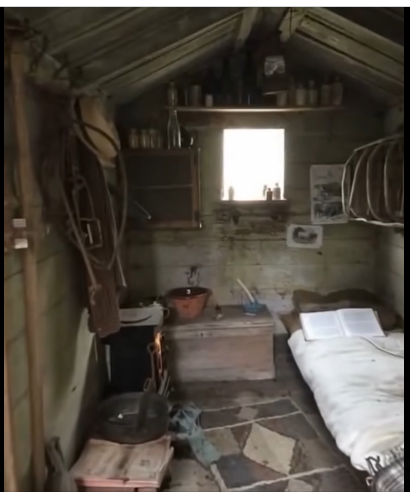
It led me to the long-abandoned research facility deep in the woods—where Elena and Grandfather Thomas had once developed groundbreaking treatments for rare conditions, free from commercial pressures. The building, preserved and quietly maintained, was more than a lab. It was a living archive of humanitarian science.
Inside, I found research decades ahead of modern pharmaceutical practices and a letter from Grandfather: I hadn’t inherited wealth—I’d inherited a mission. Their network of scientists, volunteers, and charitable foundations still existed, waiting for leadership.
Six months later, I resigned my job to lead this effort. Restoring the lab, expanding trials, and digitizing archives, I committed to their vision: innovation in service of humanity. My true inheritance wasn’t measured in money—it was the chance to heal, empower, and transform lives worldwide.
