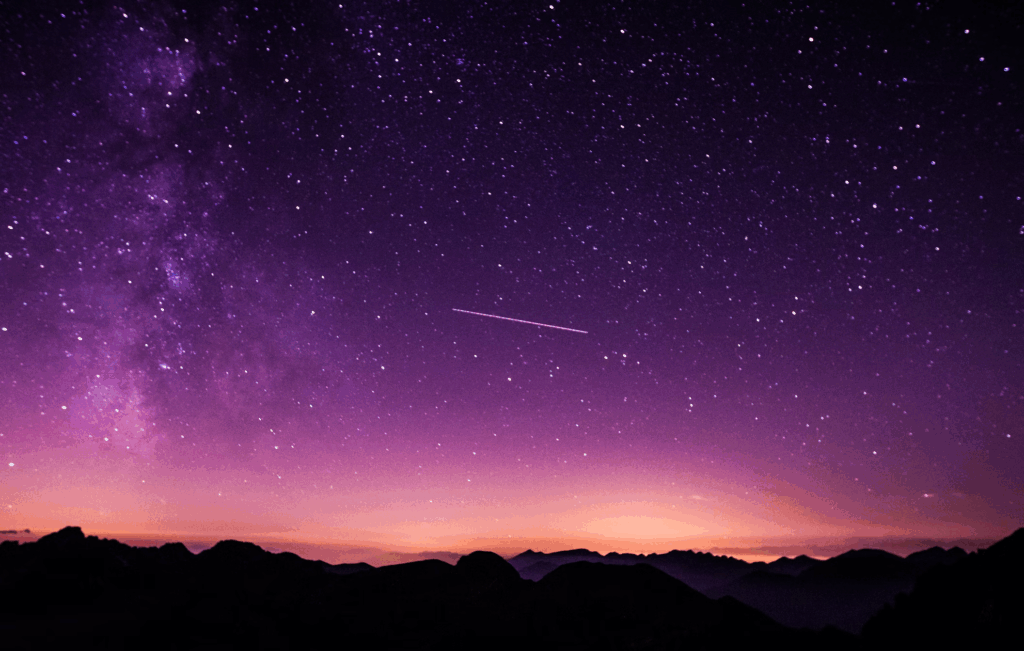
This summer promises a celestial spectacle with overlapping meteor showers lighting up the night sky. On July 29–30, both the Southern Delta Aquariids and Alpha Capricornids will peak, offering a combined show of 20–25 meteors per hour in ideal conditions. While best seen from the Southern Hemisphere, U.S. viewers can still catch the display. The Aquariids travel at 25 miles per second and may leave glowing trails, likely originating from comet 96P/Machholz. Alpha Capricornids are slower but often form brilliant fireballs, originating from comet 169P/NEAT.
The Perseids, one of the most anticipated meteor showers, will peak in mid-August. However, this year’s full moon may dim visibility. Right now, with the moon only 25% full, viewing is optimal. Experts recommend watching after midnight, away from artificial lights, and letting your eyes adjust to the darkness. Look south for the best views.
For an added treat, tonight, July 28, a waxing crescent moon will appear near Mars about 45 minutes after sunset. Whether it’s meteors or planets, the sky offers awe-inspiring sights this summer—just find dark skies and look up.