
People are only now learning why, despite the fact that over 1,500 people perished on board, no bodies can be seen inside the Titanic’s debris.
On its inaugural voyage from Southampton, England, to New York, USA, the RMS Titanic struck an iceberg and sank on April 15, 1912.
Due to the shortage of lifeboats, almost 1,500 of the 2,224 passengers and crew perished, making it one of the deadliest ship sinkings in peacetime.
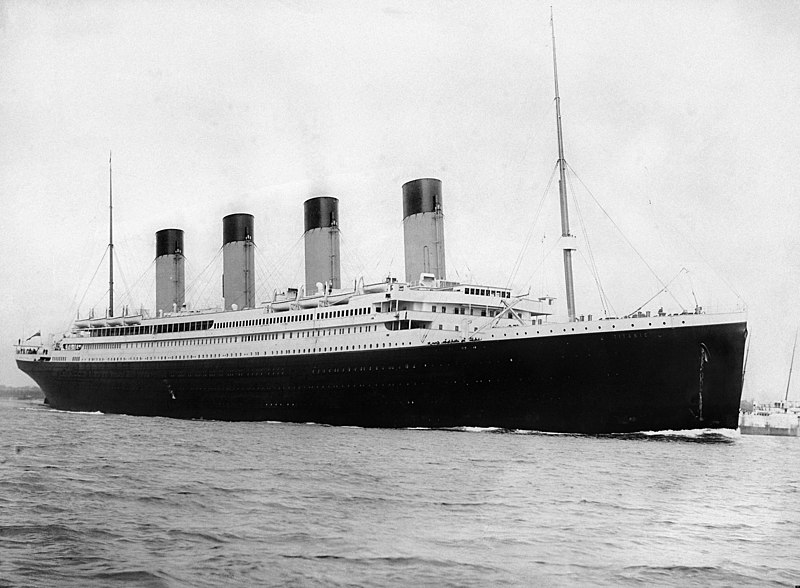
The Titanic wreck was discovered in 1985, lying over 12,000 feet below the Atlantic Ocean. The ship had split before sinking, with the bow largely intact. A vast debris field contains fragments, furniture, crockery, and passengers’ personal belongings—most notably, pairs of shoes and boots. Few human remains were recovered, as marine life and water chemistry dissolved bones over time. The deep sea lacks enough calcium carbonate to preserve skeletons, explained Robert Ballard, one of the ship’s discoverers. Although many artifacts have been retrieved for study and display, the Titanic itself is rapidly deteriorating due to bacteria and submersible damage.
