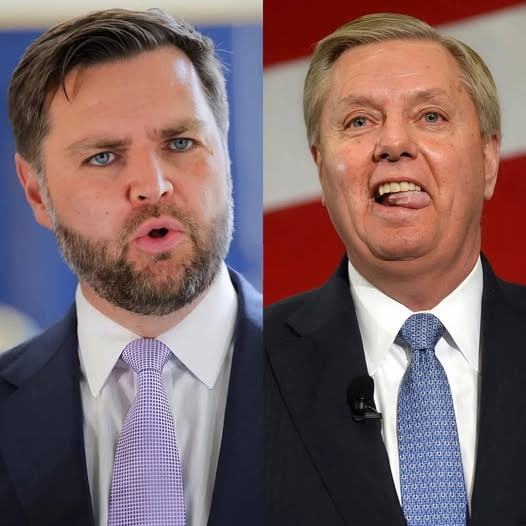
A high-level policy meeting, expected to be tense but routine, took a shocking turn that left officials speechless. Weeks of heated debate had already strained patience, and the atmosphere in the closed-door session was thick with frustration and ego.
Two opposing camps clashed, voices rising, diplomacy slipping. Then, in a moment that shattered protocol, one senior official snapped, “You’re a jerk.” The blunt insult froze the room.
What happened next was even more extraordinary. The target, known for composure, leaned in and delivered a quiet, controlled reply described by witnesses as “devastatingly precise” and “career-ending.” No one would repeat the exact words, but the impact was immediate — the insulter turned pale, gathered his notes, and left without a word.
Attempts to resume the meeting fizzled. By afternoon, both officials appeared publicly unshaken, but aides scrambled behind the scenes to contain the fallout.
“This wasn’t just a disagreement,” one veteran insider noted. “It was a breakdown. The response said everything without shouting.”
In politics, silence can be louder than speeches — and this one sentence may have shifted the balance of power entirely.
