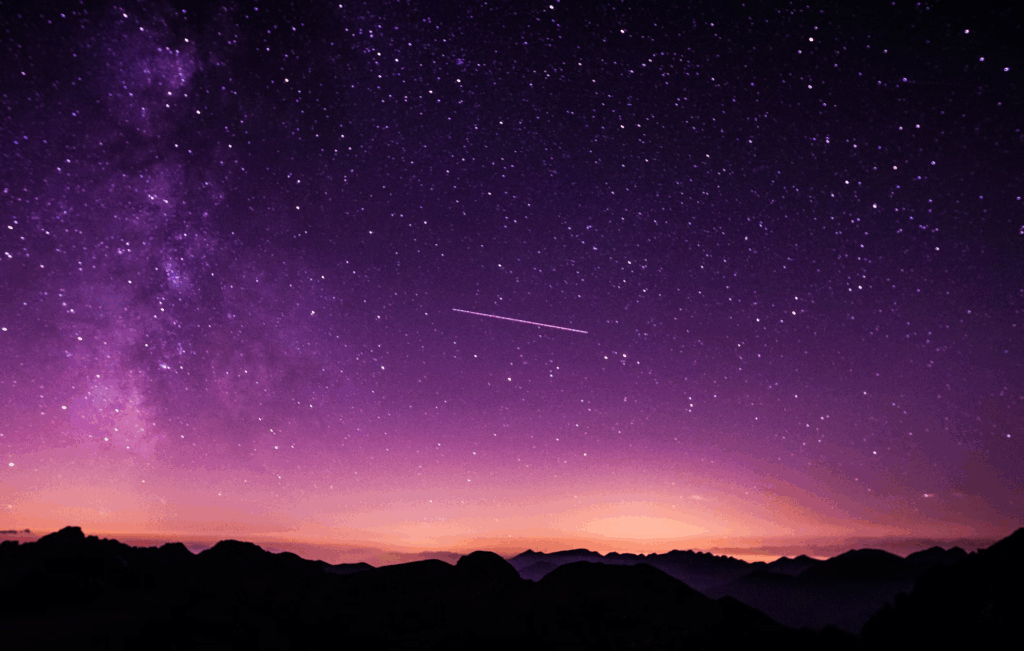
Every August, Earth crosses the dusty trail of comet Swift–Tuttle, sparking one of the year’s most reliable spectacles — the Perseid meteor shower. Known for their brilliance and occasional fireballs, the Perseids peak August 12–13, 2025.
This year’s challenge: a waning gibbous moon, 86% illuminated, will wash out many faint meteors. Under moonless skies, Perseids can produce up to 100 meteors per hour; in 2025, expect closer to 10–15. Still, the shower is famed for fireballs bright enough to outshine the moon and even cast shadows.
For best viewing, NASA advises starting around 10 p.m. for “earthgrazers” — slow streaks across the horizon — with the prime window between 1 a.m. and dawn. Face northeast, keeping the moon at your back, and let your eyes adjust for 20 minutes.
You won’t need a telescope — just a reclining chair, warm clothes, and patience. Even with fewer meteors, the Perseids’ brightest streaks will be worth the wait, offering moments of cosmic wonder as dust grains from a 16-mile-wide comet burn brilliantly in Earth’s atmosphere.
