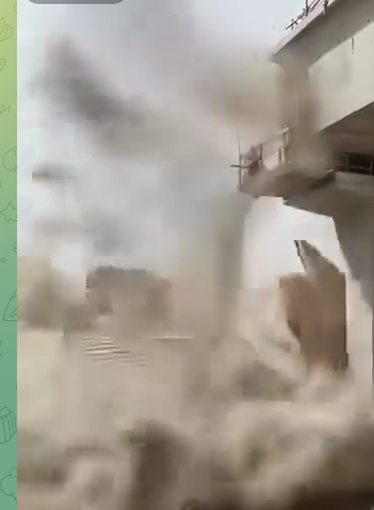
Tragedy as New SkybriThe FIU bridge collapse was not simply a technical error—it was an avoidable disaster that demonstrated how organizational blind spots, overlooked warnings, and flawed decision-making can combine into catastrophe.dge
The FIU pedestrian bridge was designed as a concrete truss, a configuration rarely seen in modern projects. Unlike traditional trusses, which feature multiple lines of support members, this design included only a single line.Dr. Sean Brady, a forensic structural engineer, explained that such a design left the bridge vulnerable: “If one of those members breaks, there’s nowhere for the load to go.” This lack of redundancy meant that failure in a single area could trigger a total collapse.
Further compounding the risk were “cold joints”—sections where concrete was poured at different times. Instead of forming a uniform structure, these joints created weak spots. One critical detail—the instruction to “roughen” a joint between two truss members for better bonding—was left off the final construction drawings. That oversight introduced a major weakness into the bridge’s structure, one that slipped past peer review and made its way onto the construction site.Warning Signs Before the Collapse
