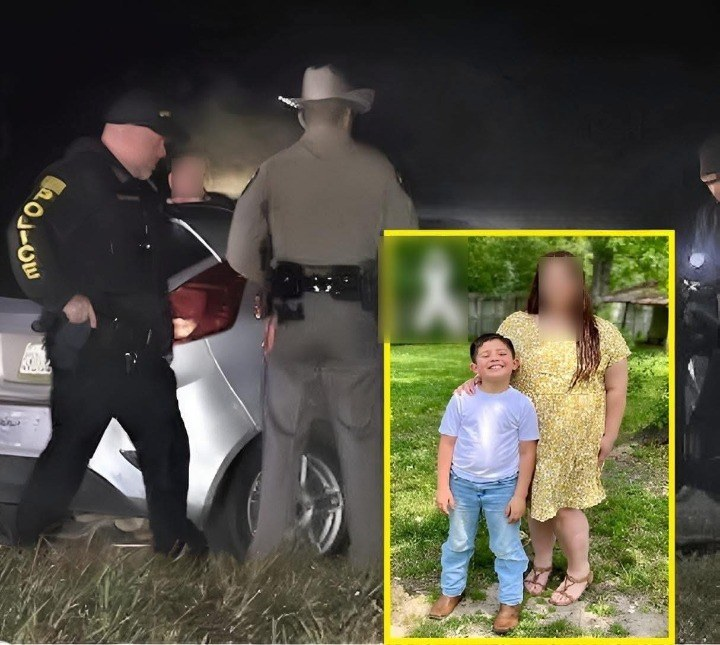
Tragedies often ripple quietly before anyone fully understands. In one Pretoria neighborhood, a mother and her young son were found unresponsive inside a parked car, a quiet loss that shook the community. Early signs were subtle—neighbors glimpsed emergency lights, heard distant radios—but the reality only became clear the following morning. The mother, devoted and kind, had always carried her burdens privately, ensuring her son’s happiness above all else.
The discovery sparked shock and reflection. Residents remembered her quiet acts of care, the child’s warm smiles, and the unspoken struggles many single parents endure. As autopsies clarified the cause of death, the community transformed grief into action: candles, flowers, and toys marked a memorial, while conversations emerged about hidden struggles, mental health, and support networks.
Local organizations and neighbors responded with renewed compassion, forming groups to assist overwhelmed parents and encourage connection.
Though tragic, the story became a lesson in empathy: to notice subtle signs of struggle, to offer help before it’s asked, and to cherish the unseen challenges others carry. Their memory reshaped a neighborhood, fostering vigilance, understanding, and care.
