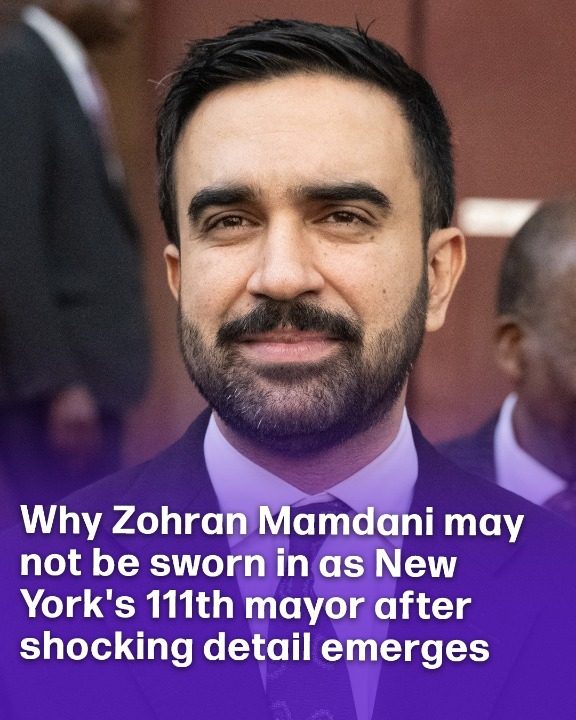
Zohran Mamdani’s election as New York City’s next mayor has sparked national interest, not only because he is just thirty-four, but because his victory represents several historic firsts. He will be the city’s first Muslim mayor, its first mayor of South Asian heritage, and the first born on the African continent. For many longtime New Yorkers, his rise reflects the city’s ongoing evolution toward broader representation and inclusion.
But as his January 2026 inauguration approaches, a surprising debate has emerged: Will Mamdani be the 111th or the 112th mayor? The question traces back to newly revisited research on Matthias Nicolls, an early colonial-era mayor who served in both 1672 and 1675. According to modern counting standards, non-consecutive terms should be numbered separately—meaning Nicolls should have been counted twice. Because that oversight persisted for centuries, every mayor afterward has technically been off by one.
While the numbering has no effect on Mamdani’s powers or responsibilities, it adds an intriguing footnote to his groundbreaking arrival. As officials consider whether to revise the official count, the discovery underscores how even small archival details can reshape the understanding of a city with a long and deeply layered history.
