The message arrives with a subtle vibration, interrupting your day with the menace of something that shouldn’t know your number.
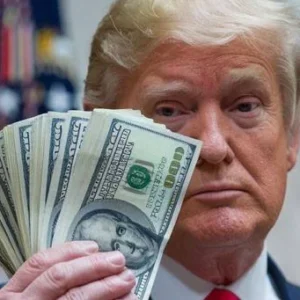
“The $2,000 Trump payment is out—check the list to see if your name is on it.
It is a single line of text engineered to split instinct from logic. You don’t recognize the sender. You don’t remember subscribing to a political newsletter or a financial aid alert. Intellectually, you know that government disbursements are never announced via unsolicited SMS. Yet, the phrasing activates a primal, modern anxiety: the Fear of Missing Out (FOMO).
For one man—let’s call him David—this text was the beginning of a chilling discovery. It wasn’t just a scam attempt; it was a window into how modern digital surveillance has evolved from stealing credit card numbers to mapping human behavior.
The Architecture of the “Soft” Trap
David clicked. Despite his skepticism, the possibility of a financial windfall—echoing headlines about stimulus checks and tax breaks—was too potent to ignore.
