Ever noticed those bright blue veins standing out on the backs of your hands and found yourself wondering if it’s completely normal — or something more serious? You’re not alone in thinking that, and the truth is a little more complex than you might expect.
These veins aren’t just random lines — they’re part of a vast network of superficial veins that rest just beneath the surface of your skin. And while they can be a completely normal feature of your anatomy, especially for certain body types, in some cases, they could be trying to tell you something important about your health.
For people with fair or thin skin, these veins often appear more prominently. That’s because there’s simply less tissue covering them. As we age, our skin naturally thins, which makes these veins even more noticeable — a common occurrence in older adults.
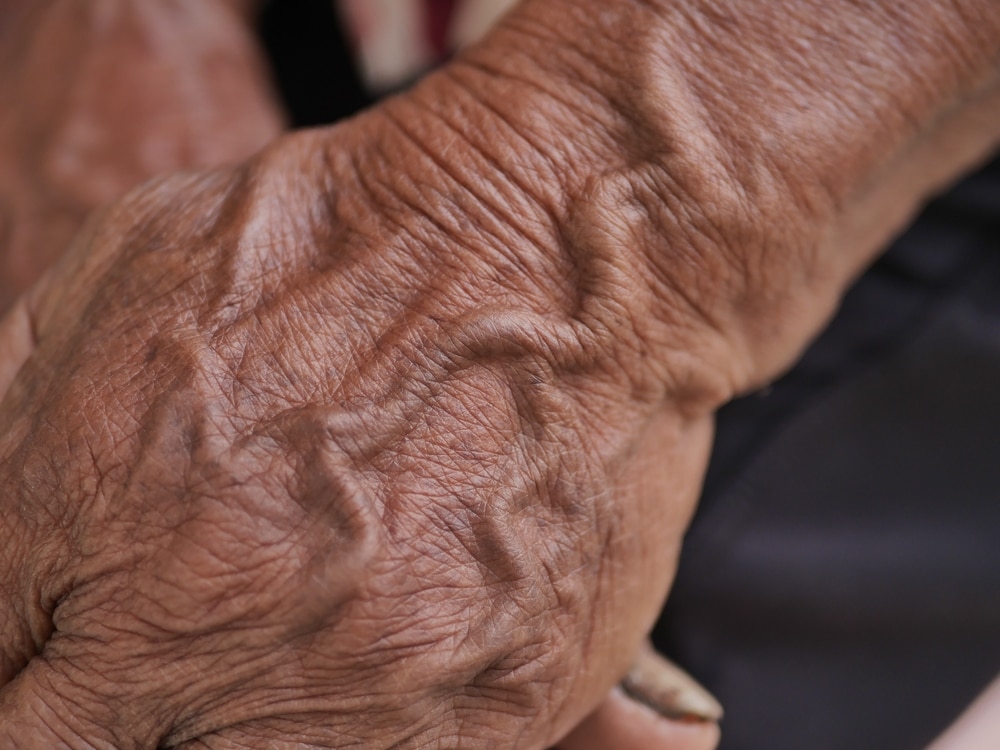
But prominent blue veins aren’t limited to age. If you’re very lean or spend a lot of time in the gym, you’ve probably seen your veins “pop” after a good workout. That’s because increased muscle activity pushes veins closer to the skin, giving them that bulging look. Athletes, weightlifters, and even pregnant women often experience this due to increased blood flow and pressure in the circulatory system.
Still, it’s not always just about aesthetics. In some cases, bulging or blue veins may be an early sign of varicose veins. These occur when veins become stretched and weakened, causing them to twist and enlarge. On your hands, they might look like thick, rope-like lines snaking across your skin. While often harmless, they can sometimes cause discomfort or be a sign of underlying issues.
It’s important to pay attention if your veins begin to ache, feel warm, or look red and swollen, as these can signal serious conditions like deep vein thrombosis or a pulmonary embolism. Keeping your veins healthy starts with staying active, maintaining a healthy weight, taking breaks from prolonged sitting or standing, avoiding tight clothing, and quitting smoking. If varicose veins or persistent pain worry you, treatments range from lifestyle changes to medical procedures. While visible veins are often harmless, new pain, swelling, or throbbing shouldn’t be ignored. Sometimes veins offer early warnings of bigger health problems.
