
Most patients with chronic respiratory diseases such as COPD depend on inhaler therapy, which is widely regarded as safe and effective. Side effects are usually mild, but a recently reported case has drawn attention to a rare and unexpected risk. A 55-year-old woman developed Sweet syndrome, an uncommon inflammatory skin disorder, shortly after starting a new combination inhaler, raising questions about inhaled medications as potential triggers.
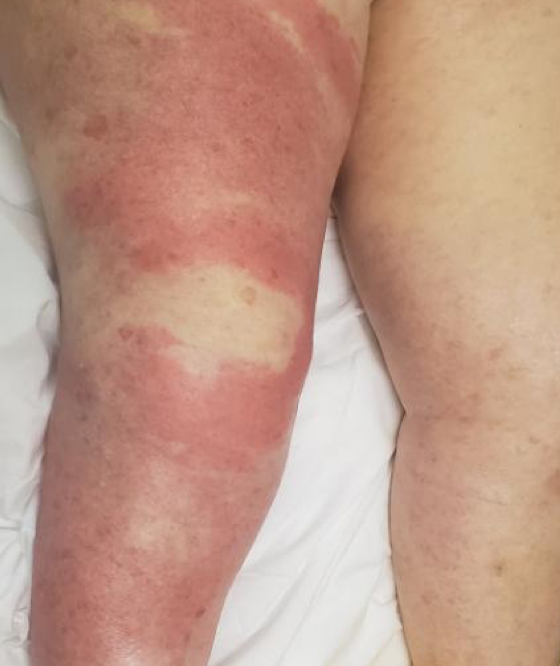
The patient, with stable COPD and hypertension, was switched to an indacaterol–glycopyrronium inhaler after declining lung function. Within 48 hours, she developed painful, bright red plaques on her face and neck, along with a low-grade fever. With no signs of infection, allergy, or sun reaction, she was referred to dermatology. A skin biopsy confirmed Sweet syndrome, and discontinuing the inhaler followed by oral corticosteroids led to rapid improvement.

Sweet syndrome is characterized by sudden painful skin lesions, fever, and neutrophilic inflammation, often linked to infections, cancers, or medications—typically oral or injectable. This case is notable because inhaled therapy has rarely been implicated. It highlights the importance of vigilance after medication changes and timely referral, reminding clinicians that even familiar treatments can, in rare cases, provoke unexpected systemic reactions.
