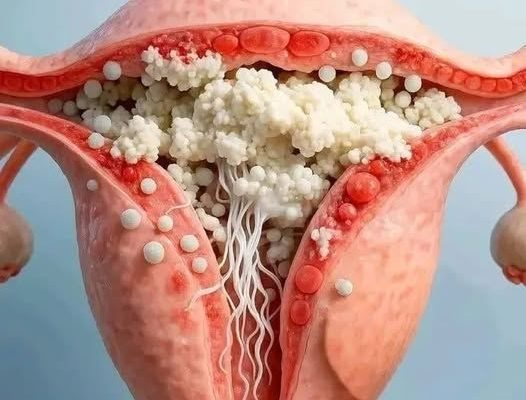
Many daily habits happen almost automatically, yet some play a surprisingly important role in long-term health. One such habit is the urge to urinate after intimacy. For many people, especially women, this sensation appears naturally and often right after closeness with a partner. While it may seem incidental, it serves an important protective purpose.
After intimacy, the body undergoes several coordinated changes. Blood flow increases in the pelvic region, muscles relax, and hormone levels shift. Because the bladder sits close to other pelvic organs, movement and pressure can stimulate it, while hormonal changes and increased kidney filtration temporarily raise urine production. Together, these factors explain why the urge to urinate is common and completely normal.
Urinating after intimacy helps flush bacteria from the urethra before they can travel to the bladder and cause a urinary tract infection. This is especially important for women, whose shorter urethra allows bacteria easier access to the urinary system. Beyond infection prevention, urination supports overall urethral cleanliness and tissue recovery.
Ignoring the urge can increase infection risk, while responding promptly supports the body’s natural defenses. This small, simple habit costs nothing, takes little time, and offers meaningful protection for urinary and reproductive health.
