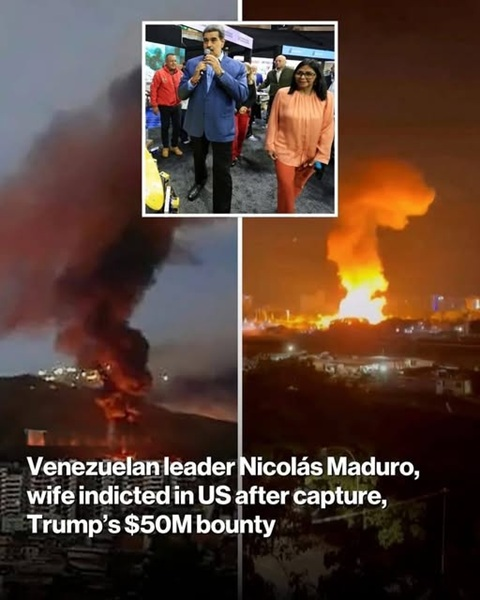
In a matter of hours, Nicolás Maduro, Venezuela’s long-time president, went from untouchable leader to high-value detainee under U.S. jurisdiction. For over a decade, he cultivated an image of invincibility, surviving sanctions, protests, economic collapse, and repeated predictions of his downfall. Yet a sudden, precise operation shattered that perception.
Maduro now faces charges including narco-terrorism, cocaine trafficking, weapons violations, and coordinating transnational criminal networks. Prosecutors describe him as leading a state-backed criminal enterprise, using drug profits to fund repression, maintain loyalty, and consolidate power. Documents tie senior officials and business networks across Latin America, the Caribbean, and the U.S., raising unprecedented questions about accountability, sovereignty, and international law.
Inside Venezuela, reactions mix shock, caution, and speculation. Citizens weigh hope against fear, recalling past crises, while some military leaders emphasize loyalty to the constitution rather than to a leader. Globally, responses range from cautious optimism to strategic concern, as analysts debate implications for regional stability, the oil market, and international justice.
Maduro’s fall marks both an end and a beginning: the end of perceived invincibility, the beginning of uncertainty, cautious optimism, and unfolding historical significance—a moment that will echo in Venezuela and the world for years to come.
