I found this old kitchen appliance today, but I have no idea what it was used for. Do you have any idea what it is?
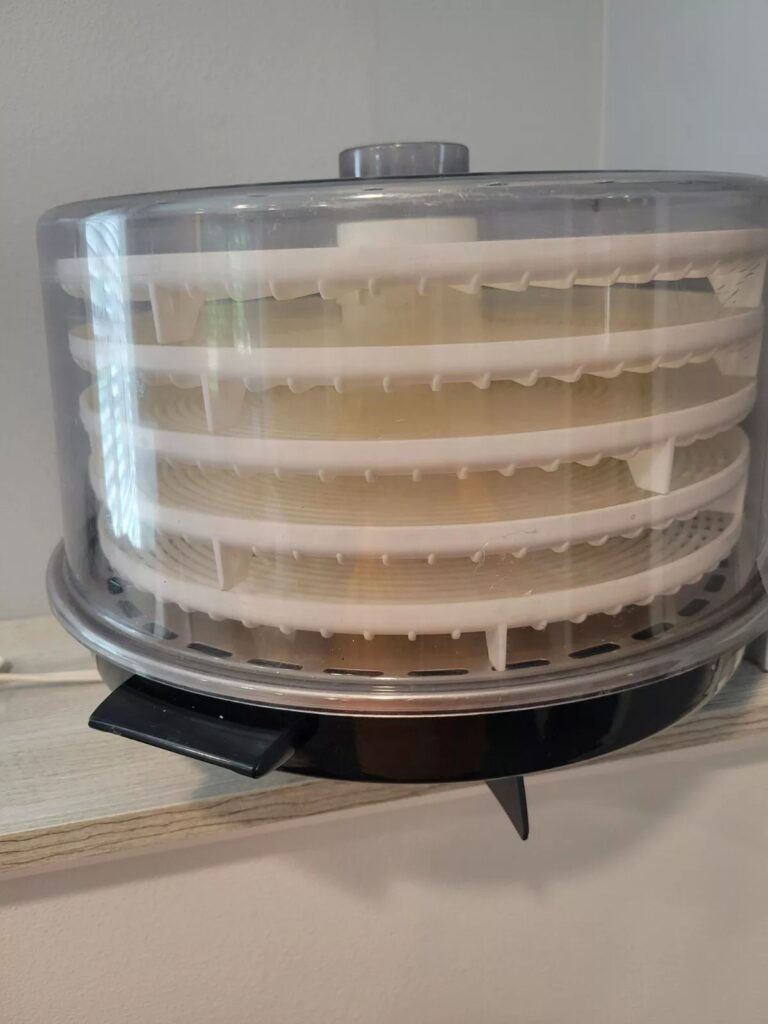
The Vintage Food Dehydrator: History, Usage, and Legacy
In a world dominated by modern conveniences and technological marvels, the vintage food dehydrator stands as a testament to the ingenuity of past generations. This fascinating kitchen appliance, which was once a staple in homes worldwide, played a crucial role in food preservation long before the age of freezers and artificial preservatives. Delving into the history, usage, and legacy of the vintage food dehydrator offers a captivating glimpse into how our ancestors harnessed simple yet effective methods to sustain themselves through changing seasons.
A Brief History of Food Dehydration
Ancient Roots and Early Techniques
The concept of dehydrating food dates back thousands of years, long before the invention of electric appliances. Ancient civilizations, such as the Egyptians and Native Americans, relied on the sun’s power to dry and preserve their harvests. By harnessing natural heat and wind, they discovered that moisture removal could significantly prolong the shelf life of fruits, vegetables, and meats. This process was especially vital for societies dependent on seasonal crops and hunting, allowing them to store food for the winter months when resources were scarce.
19th Century Innovations
The industrial revolution of the 19th century marked a turning point in food dehydration methods. With the advent of steam power and the growth of agricultural industries, inventors began exploring more efficient ways to dehydrate food. Patents for mechanical dehydrators emerged, using heated air circulation to mimic the sun’s natural drying effect. These early devices were often cumbersome, and their popularity was primarily confined to commercial use. However, they laid the groundwork for the household food dehydrators that would emerge in the following century.
The Rise of Household Dehydrators in the 20th Century
The early to mid-20th century saw a boom in the popularity of household food dehydrators. As more people sought ways to preserve food economically, manufacturers developed compact and user-friendly dehydrators for home use. The Great Depression and World War II eras, characterized by food shortages and rationing, further fueled the demand for efficient preservation methods. Dehydrators allowed families to minimize waste and maximize their food supply, leading to an increase in their usage during these challenging times.
Usage of Vintage Food Dehydrators
Preserving Abundance
Vintage food dehydrators were versatile appliances that catered to various preservation needs. They were primarily used to dry a wide range of foods, including fruits, vegetables, herbs, meats, and even fish. This method not only extended the shelf life of perishable items but also concentrated flavors and retained essential nutrients. Home cooks and gardeners relied on dehydrators to turn surplus produce into delicious snacks, powders, and ingredients that could be enjoyed year-round.
also read
Creating Culinary Delights
Beyond preservation, vintage dehydrators opened the door to creative culinary exploration. Drying fruits like apples, apricots, and bananas transformed them into chewy and sweet treats, perfect for snacks or baking. Dried herbs retained their potency, adding flavor to dishes throughout the year. Additionally, the dehydrator’s ability to create jerky from meats provided a portable and protein-rich option for hikers, travelers, and soldiers alike.
Simplicity and Efficiency
One of the standout features of vintage food dehydrators was their simplicity and efficiency. These appliances were designed with straightforward controls, making them accessible to home cooks of all skill levels. Users would arrange food on trays, set the temperature, and allow the dehydrator to work magic. This ease of use contributed to their widespread popularity and made food dehydration a household practice.
The Legacy of the Vintage Food Dehydrator
Cultural and Culinary Impact
The vintage food dehydrator has left an indelible mark on culinary practices and food culture. Its legacy extends beyond mere food preservation; it has influenced modern cooking trends and encouraged a renewed interest in sustainable practices. Many of the techniques pioneered by early dehydrators continue to be celebrated today, as people seek healthier and more natural alternatives to processed snacks.
Influence on Modern Dehydrators
The innovations of vintage dehydrators laid the foundation for the advanced appliances we see today. Contemporary dehydrators boast digital controls, multiple temperature settings, and even automatic timers, building upon the principles established by their predecessors. These modern iterations pay homage to vintage designs while offering enhanced convenience and precision, catering to the demands of today’s fast-paced lifestyles.
Nostalgia and Resurgence
In recent years, there has been a resurgence of interest in vintage kitchen appliances, including food dehydrators. Collectors and enthusiasts appreciate their historical significance and aesthetic appeal, often showcasing them as decorative pieces in kitchens. This nostalgic revival highlights the enduring charm of vintage dehydrators and their continued relevance in a world that values both tradition and innovation.
Preserving the Past, Sustaining the Future
The vintage food dehydrator stands as a symbol of resourcefulness and ingenuity, bridging the gap between generations with its timeless utility. Its history is a testament to human adaptability and creativity, demonstrating how simple methods can yield remarkable results. As we continue to navigate the complexities of the modern world, the lessons imparted by the vintage food dehydrator remind us of the importance of preserving our past while embracing sustainable practices for the future. Whether as a functional kitchen tool or a cherished relic, the legacy of the vintage food dehydrator endures, inviting us to savor the past and savor the possibilities of what lies ahead.
