How Long Does Opened Milk Remain Fresh?
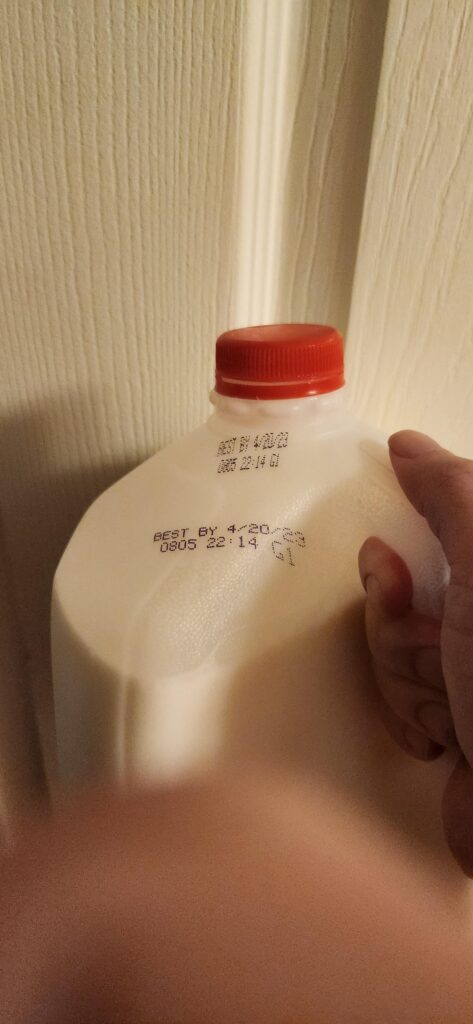
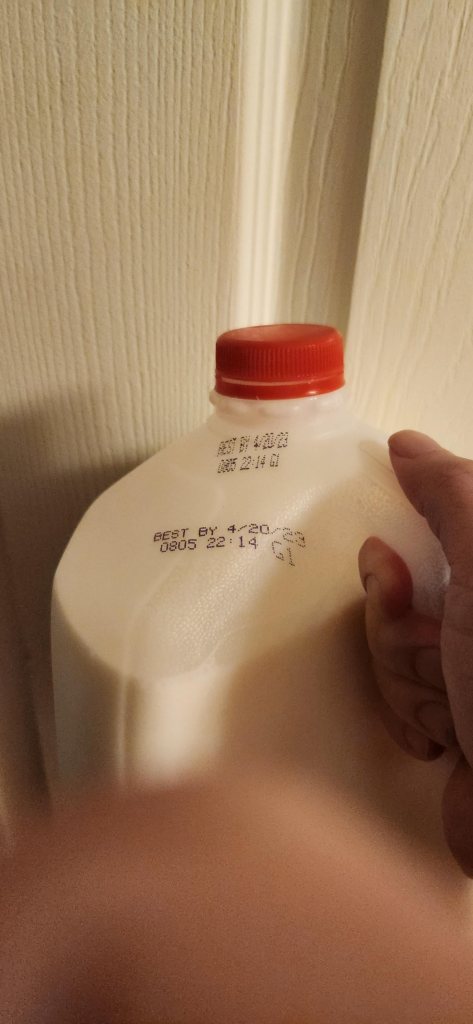
How Long Does Milk Last After Opening?
Milk is a staple in most households, essential for everything from breakfast cereals to coffee and baking. However, once you open a carton or bottle of milk, its shelf life becomes a concern. Understanding how long milk stays fresh after opening is key to maintaining its quality and ensuring it’s safe to consume. Let’s dive into the factors that affect milk’s longevity once it’s opened, and some tips to maximize its freshness
Factors Affecting Milk’s Shelf Life
1. Type of Milk
The type of milk significantly impacts how long it lasts after being opened. Here’s a quick rundown:
- Whole Milk: Whole milk tends to spoil faster than other types due to its higher fat content. It typically lasts 5 to 7 days after opening.
- Low-Fat and Skim Milk: Lower-fat milks generally have a slightly longer shelf life of 7 to 10 days post-opening because they contain less fat, which can be a breeding ground for bacteria.
- Lactose-Free Milk: Lactose-free milk often lasts longer than regular milk because of the ultra-pasteurization process used during its production. It can stay fresh for up to 10 days after being opened.
- Plant-Based Milks: Almond, soy, oat, and other plant-based milks vary in longevity. Most types are good for 7 to 10 days once opened, although some varieties, especially those in aseptic packaging, may last a bit longer.
2. Pasteurization Method
- Pasteurized Milk: Most store-bought milk is pasteurized, which kills bacteria and extends its shelf life. Pasteurized milk will last between 5 and 7 days once opened, depending on storage conditions.
- Ultra-Pasteurized (UHT) Milk: Ultra-pasteurization heats milk to a higher temperature, allowing it to last longer than regular pasteurized milk. UHT milk often remains good for up to 10 days after opening if kept refrigerated.
3. Storage Conditions
- Temperature: Keeping milk refrigerated at or below 40°F (4°C) is crucial for extending its freshness. Even slight temperature increases can shorten its shelf life.
- Refrigerator Location: Store milk in the coldest part of the refrigerator, usually the back of a shelf, rather than the door. The door is subject to temperature fluctuations from opening and closing.
4. Exposure to Air and Light
- Container Closure: Ensure that the milk carton or bottle is tightly sealed after each use. Exposure to air can introduce bacteria and lead to faster spoilage.
- Light Exposure: Light can degrade vitamins in milk, especially riboflavin (vitamin B2), and impact taste. Keeping milk in an opaque container or a dark fridge area can help maintain its quality.
Signs That Milk Has Gone Bad
While the general guidelines for milk’s shelf life are useful, it’s also essential to recognize signs of spoilage:
- Off Smell: Spoiled milk often emits a sour or rancid odor. If it smells bad, it’s likely no longer safe to consume.
- Curdled Texture: If milk has lumps or a chunky appearance, it has likely curdled due to bacterial activity and should be discarded.
- Unusual Taste: If milk tastes sour or off, it has probably spoiled, even if it doesn’t show other signs.
- Swelling Carton: A swollen or bloated carton might indicate that gas has been produced by bacteria inside, signaling spoilage.
also read
Extending Milk’s Shelf Life
To keep your milk fresh for as long as possible, consider the following tips:
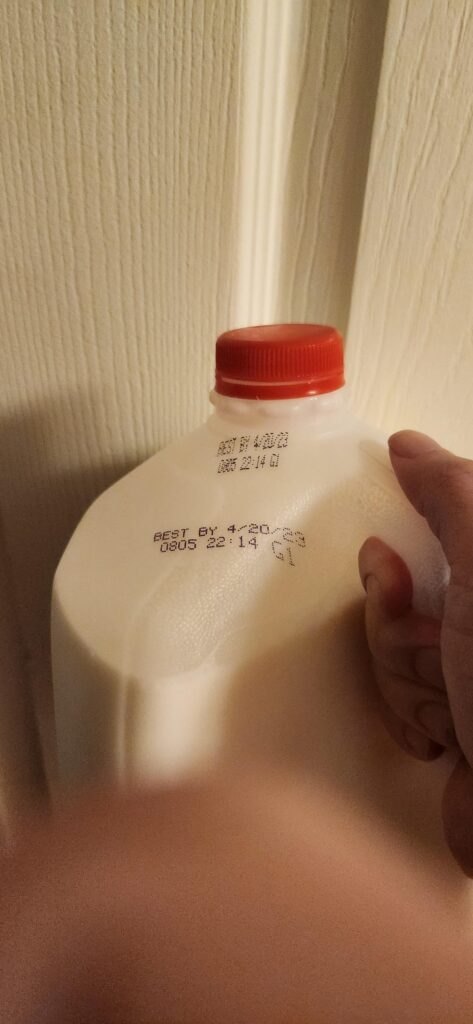
- Refrigerate Promptly: After purchasing milk, refrigerate it immediately to minimize time spent at room temperature.
- Use Smaller Containers: Pour milk into smaller containers, keeping the larger portion sealed to reduce exposure to air each time you use it.
- Follow FIFO: Practice “First In, First Out” by using older milk before opening a new carton.
- Freeze It: If you can’t use milk before its expiration date, consider freezing it. Milk can be frozen for up to 3 months, although it might separate slightly when thawed. Shake well before using it after thawing.
Conclusion
The longevity of milk after opening depends on various factors, including the type of milk, storage conditions, and pasteurization method. Generally, milk lasts between 5 to 10 days after being opened, but always use your senses to detect signs of spoilage. Proper storage and handling are essential to maximize freshness and ensure safety. By understanding these factors and tips, you can enjoy fresh milk while reducing waste and saving money.
Interesting For You
