Storm Goretti hit Europe in January 2026 with unapologetic fury, turning streets into rivers and plunging over 380,000 French homes into darkness. The UK fared no better: trains were delayed, bridges threatened, and commuters discovered that wellies, umbrellas, and emotional resilience don’t always mix.
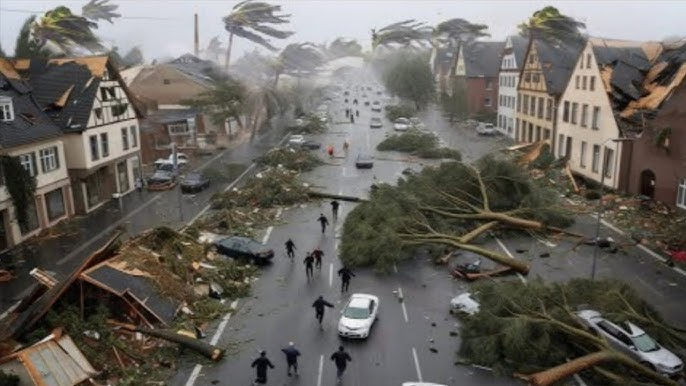
Eyewitnesses described surreal scenes—floating bicycles, impromptu water corridors, and neighborhoods resembling disaster-movie sets. Social media erupted with memes, TikToks, and viral videos documenting every drenched moment. Meteorologists called it a “hybrid of historical westerly depressions and low-pressure audacity,” while fake experts warned of “continental trauma” and “atmospheric hubris.” Residents improvised, moving ovens, rescuing floating bikes, and rediscovering candlelit dinners. Emergency services were stretched, hospitals relied on generators, and governments urged calm while secretly scrambling.
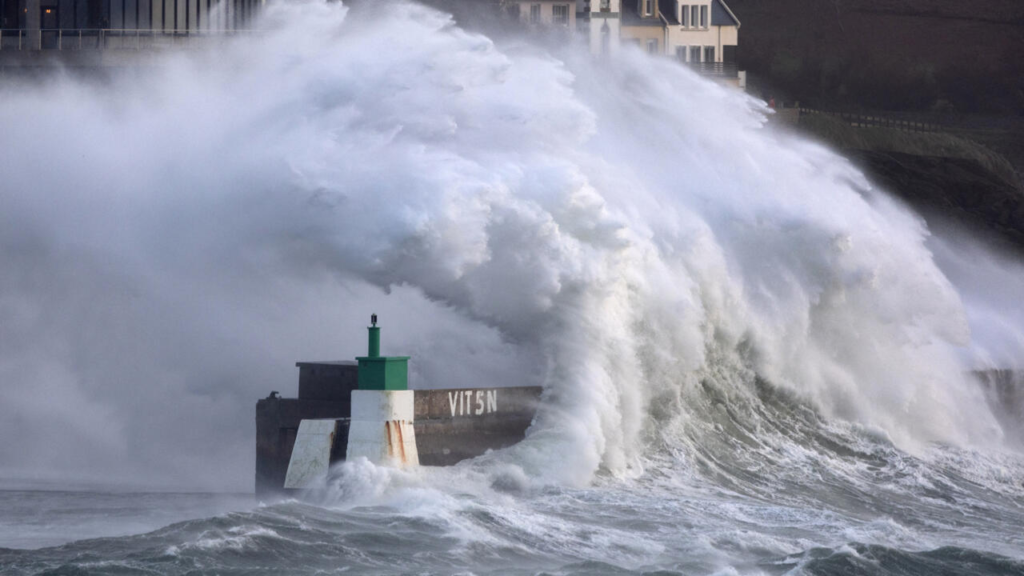
Even Pope Leo XIV sent blessings, reminding citizens that patience, not Wi-Fi, endures. By nightfall, sporadic power returned, but flooded streets and soggy citizens persisted. Storm Goretti became more than a weather event; it was a viral, chaotic spectacle—part natural disaster, part social-media performance.
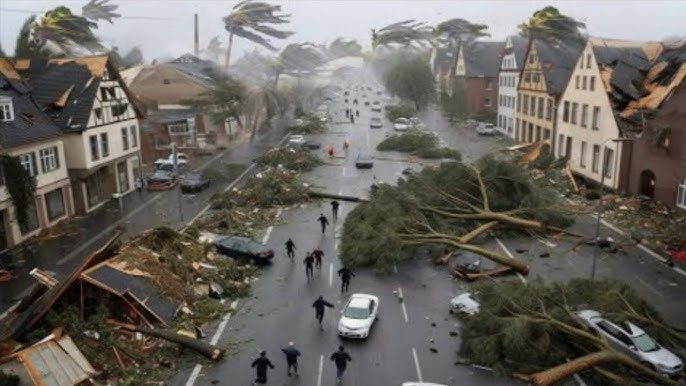
The storm proved modern civilization’s fragility, the internet’s resilience, and humanity’s ability to panic, adapt, and meme simultaneously. In 2026, a storm’s true power lies in wet socks, dead Wi-Fi, and viral drama.
