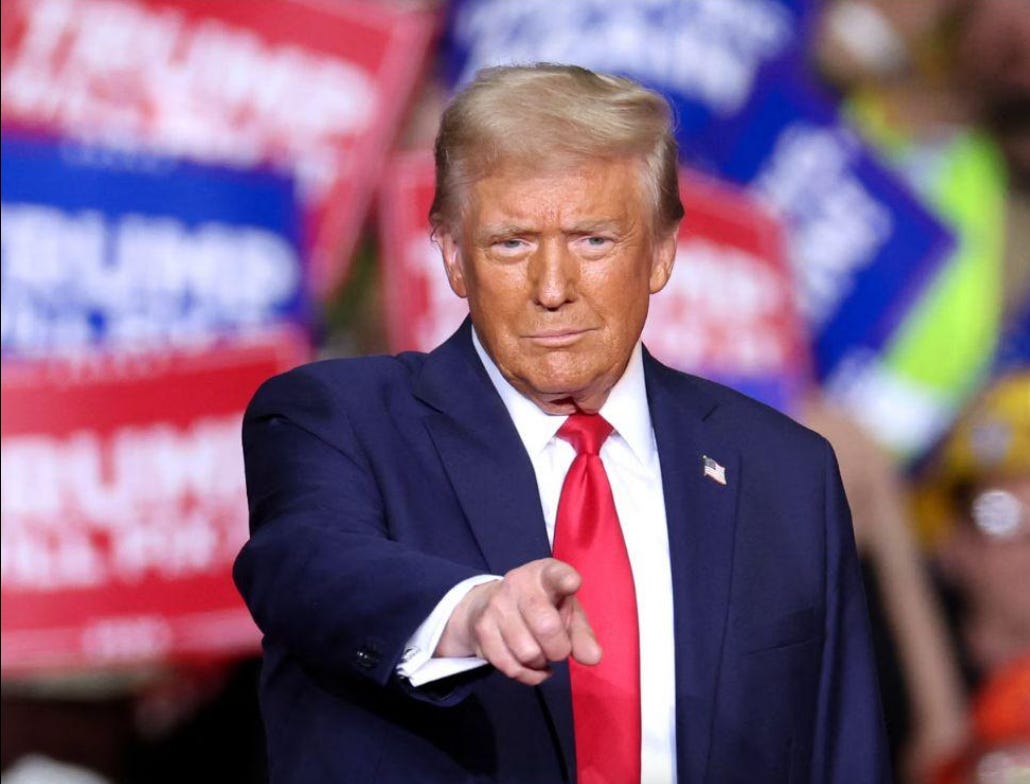
Donald Trump has reached that stage of life when coded language falls away and nostalgia starts talking out loud. The dog whistles stop. What’s left is a raw longing for “the good old days,” when hierarchy felt natural and unquestioned. So when he claims the Civil Rights Movement treated white people “very badly,” it isn’t a policy argument. It’s a confession.
He’s mourning a loss. Not of rights, but of comfort.
For generations, white supremacy functioned as emotional security. Segregation promised distance. Discrimination guaranteed access. Violence, exclusion, and dominance were quietly protected by law and culture. The Civil Rights Movement disrupted that system. It forced proximity, competition, and accountability. Schools integrated. Ballots opened. Jobs required qualifications. Neighborhoods changed. Equality entered spaces once reserved for entitlement.
To those who were raised to see whiteness as default and deserved, that shift felt like injury. Having to share power can feel like loss when you’ve never had to earn it. Having your worldview challenged can feel like attack when it’s been treated as truth.
Trump’s comment is a eulogy for a world that centered him without question. The Civil Rights Movement didn’t harm white people—it ended an exemption they were deeply attached to.
