I stood by the nursery window at dawn, watching soft light spill across the crib where my four-month-old daughter, Lila, slept peacefully. In that quiet moment, life felt impossibly perfect. Fatherhood still felt unreal, but my love for her was overwhelming and absolute.
I once doubted I’d ever have this life. That changed when I met my wife, Evelyn, in college. We grew together, married, built a home, and welcomed Lila. From the outside, everything looked ideal. Yet lately, Evelyn had grown distant—quieter, burdened by something she wouldn’t name.
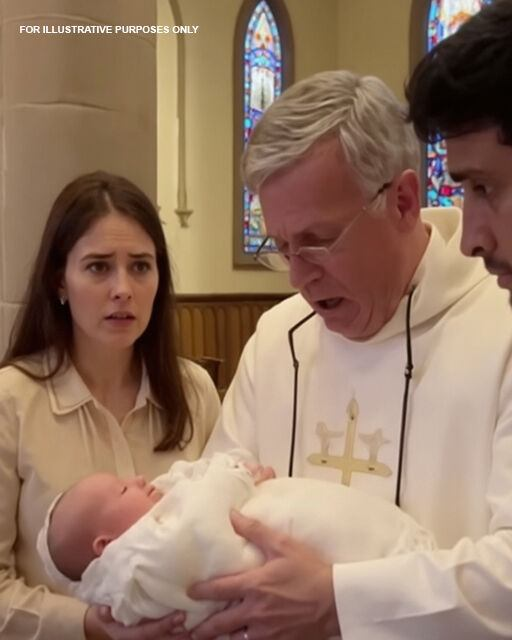
Lila’s baptism was meant to be a joyful milestone. But when the priest held her, his expression changed. He noticed a rare birthmark, one shared by men in his family, and quietly said the child resembled his brother. Panic crossed Evelyn’s face before she fled the church.
At home, the truth spilled out. Lila wasn’t biologically mine. Evelyn left, unable to face what she’d done—and left Lila behind.
That night, standing over the crib, clarity settled in. Blood didn’t define fatherhood. Love did. Lila was mine, and I would never abandon her.
