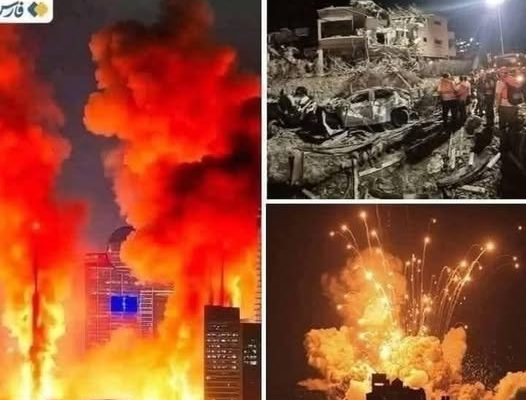
Rising geopolitical tensions across Europe, the Middle East, and the Indo-Pacific have prompted increased debate about whether the world is edging toward a wider conflict. While most experts agree a global war is neither inevitable nor imminent, a growing number of strategic flashpoints have raised the stakes in international affairs. Each region carries its own risks, shaped not only by military capabilities but also by political miscalculations, strained alliances, and heightened uncertainty.
Global security faces multiple flashpoints, from Europe to East Asia, the Middle East, and North Korea. In Europe, Russia’s war in Ukraine has stalled, but frequent drone strikes and airspace violations near NATO borders have heightened tensions. Eastern European nations are reassessing defense postures, while Russia’s hypersonic and nuclear-capable missiles remain a major concern. NATO officials stress miscalculation, not full-scale invasion, as the primary risk.
In the Middle East, ceasefires between Israel and Palestinian factions are fragile. Regional rivalries, particularly involving Iran, complicate diplomacy, and Iran’s nuclear program remains a persistent concern. Meanwhile, China-Taiwan-U.S. dynamics in the Indo-Pacific raise risks of miscalculation, with military exercises signaling capability rather than imminent conflict. North Korea continues to advance its missile and nuclear programs, while diplomatic stalemates persist, and its ties with Russia influence regional security calculations.
Although global war remains unlikely, modern tensions—combined with advanced military technology, cyber threats, and rapid escalation—demand vigilant diplomacy. International cooperation, transparent communication, and crisis management are essential to prevent minor incidents from triggering broader conflicts. Maintaining stability requires balancing deterrence with dialogue and strategic foresight across interconnected regions.
