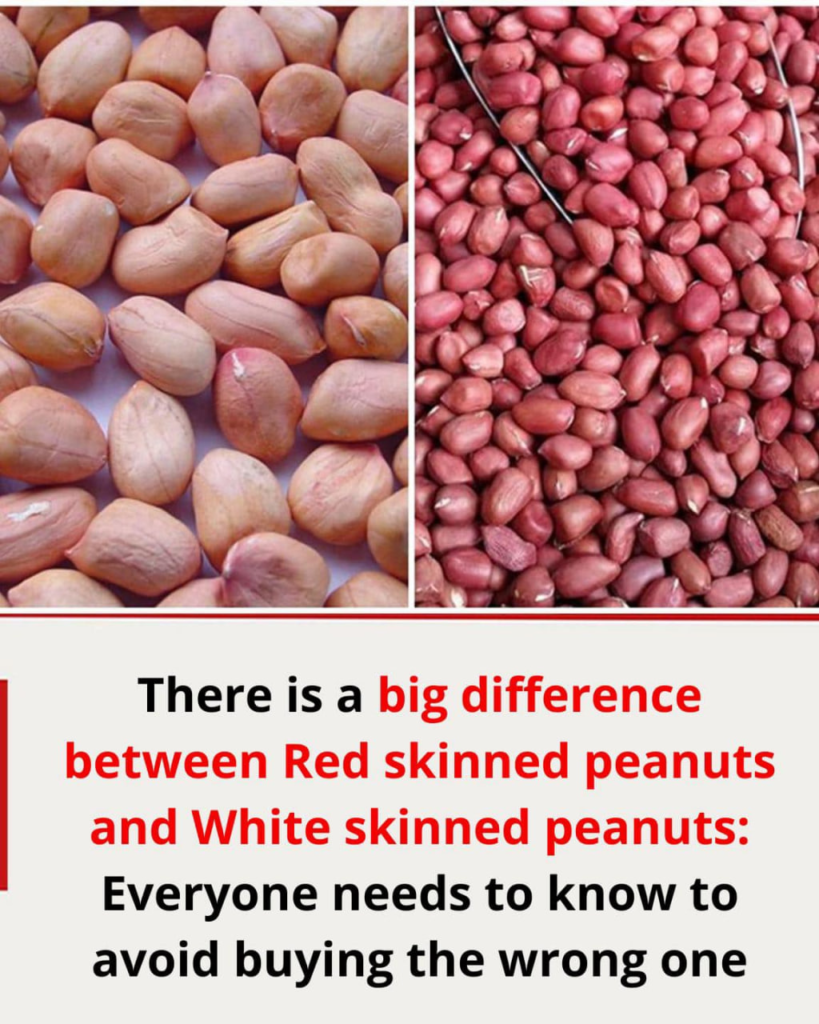
Peanuts, are rich in vitamins and nutrients, often hailed as a “longevity nut” that is highly beneficial for health. In traditional Chinese medicine, peanuts are praised for enriching blood, regulating digestion, and effectively stopping bleeding.
Red-skinned and white-skinned peanuts are the two most popular varieties, but they differ significantly in flavor and nutrition.
Flavor Differences
Red-skinned peanuts have a naturally sweet taste, ideal for soups and nut milk, and are often eaten raw due to their energy-boosting properties. White-skinned peanuts are crunchier and higher in oil, making them perfect for frying, peanut butter, or peanut oil. They are also lower in calories, making them suitable for weight-conscious individuals.
Nutritional Differences
Red-skinned peanuts, especially with the skin intact, support digestion and relieve bloating. They are excellent for boosting energy and blood health. In contrast, white-skinned peanuts are rich in calcium and promote brain health by aiding in the absorption of nutrients like selenium and vitamin E.
When selecting high-quality peanuts:
- Color: Opt for fresh, bright shells. Avoid dark spots, which may indicate mold.
- Shell Tension: Choose firm, plump shells over shriveled ones.
- Scent: Avoid peanuts with a moldy smell.
- Sprout: Ensure the white spot at the tip is intact; missing spots may indicate dyed peanuts.
Carefully choosing peanuts ensures flavor, safety, and nutritional benefits.
