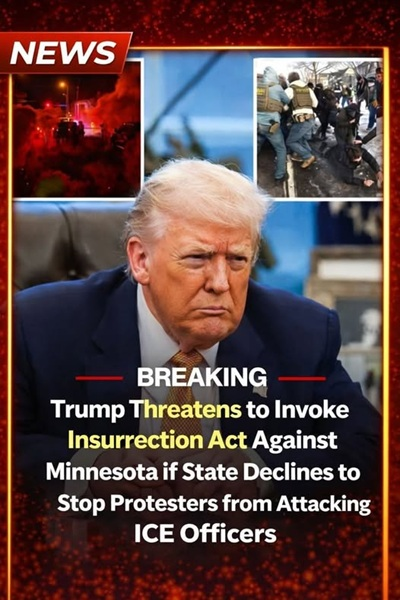
In mid-January 2026, Minnesota became the center of a major national political crisis after President Donald Trump publicly threatened to invoke the Insurrection Act amid unrest tied to a large-scale federal immigration crackdown. The Department of Homeland Security and ICE launched an expanded enforcement operation in the Minneapolis–St. Paul area, deploying thousands of agents to carry out arrests, a move local leaders called aggressive and destabilizing.
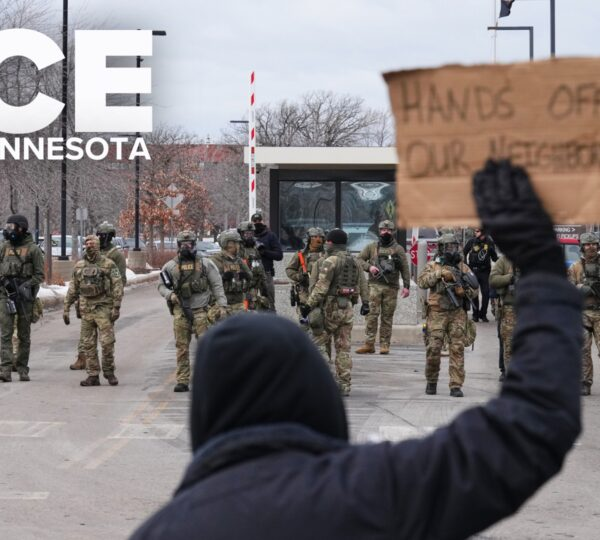
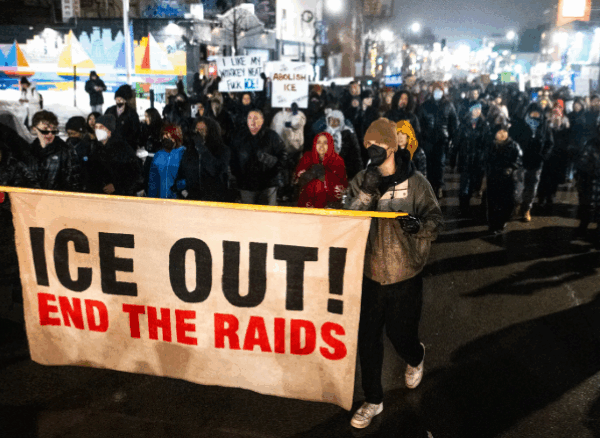
Tensions escalated after the Jan. 7 fatal shooting of Renee Nicole Good, a 37-year-old U.S. citizen, by an ICE officer during an enforcement action. Federal officials said the officer acted in self-defense, but community members disputed the account. A second ICE-related shooting days later intensified protests, leading to daily demonstrations, arrests, and clashes with law enforcement.
Minnesota officials, including Governor Tim Walz and Minneapolis Mayor Jacob Frey, condemned federal tactics and pushed for de-escalation. The state and two cities filed a lawsuit against the federal government, alleging constitutional violations.
Trump’s threat to deploy the military sparked bipartisan concern and legal warnings. While he later softened his stance, the crisis highlighted deep divisions over immigration enforcement, state authority, and presidential power.
